Industrial Grade Botanical Distillates & Concentrates
Batch-verified phytopharmaceutical ingredients and certified essential oil extracts processed in our dual 6-line GMP distillation facilities.
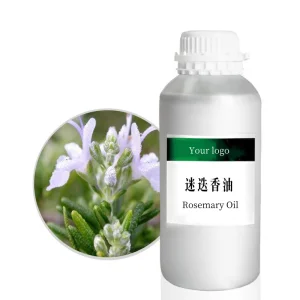
ODM Rosmarinus Officinalis Plant Extract Essential Oil Rosemary Oil Supplier
Inquire Product Specifications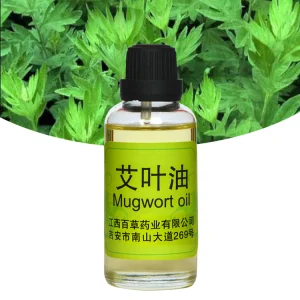
ODM Aromatherapy oil Mugwort oil Massage essential oil Supplier, Quotes
Inquire Product Specifications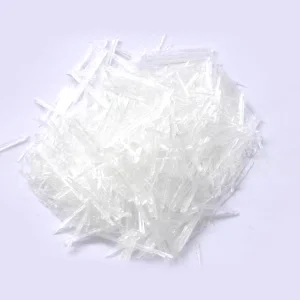
OEM 2216-51-5 menthol flake, 100% pure natural menthol crystal in bulk prices
Inquire Product Specifications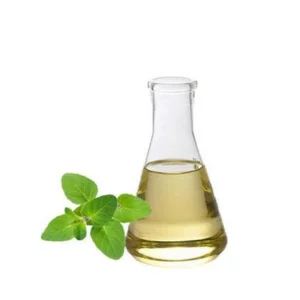
CE Certification Bulk Price Pure Oregano Oil Certified with MSDS COA OEM/ODM
Inquire Product Specifications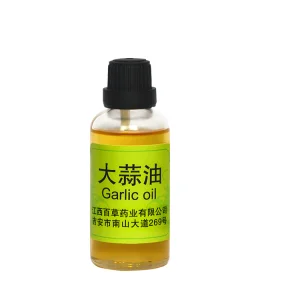
ODM Jiangxi factory wholesale garlic essential oil Manufacturer, Company
Inquire Product Specifications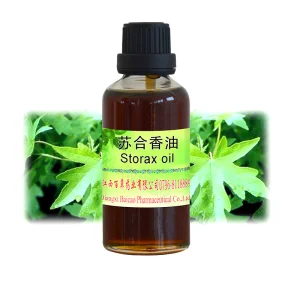
Custom Storax Essential Oil Body Massage Oil cosmetic essential oil Manufacturers
Inquire Product Specifications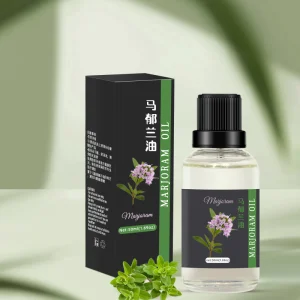
Custom Bulk Wholesale 100% Marjoram Oil Pure Natural Plant Essential Oil
Inquire Product Specifications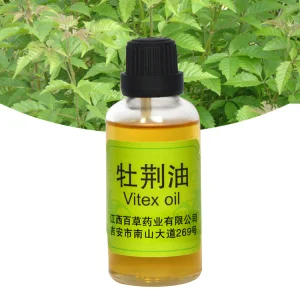
China Essential oil factory wholesale vitex oil cosmetics Suppliers, Pricelist
Inquire Product SpecificationsCamphor Essential Oil: The Terpenoid Revolution & Global Procurement Shifts
An authoritative analysis on raw material geopolitics, chiral purity, regulatory safrole de-fractionation, and clean extraction economics.
Thermodynamic & Fractionated Speciation
Crude oil derived from steam distillation of Cinnamomum camphora wood and foliage contains four distinct industrial fractions: White Camphor (light terpene cineolic cut, boiling <210°C), Yellow Camphor (terpineol-safrole rich), Brown Camphor (sesquiterpene heavy), and Blue Camphor (azulene residual). OEM buyers strictly require vacuum rectification to completely strip carcinogenic safrole compounds down below 0.05% for global cosmetic and transdermal compliance.
Global Regulatory Tightening & REACH Compliance
International regulatory frameworks, including EU REACH Annex XVII, US FDA OTC Monographs, and IFRA standards, dictate rigorous upper threshold thresholds for polycyclic terpenes and secondary metabolites. Industrial procurement departments can no longer rely on unstandardized merchant trading oils; they mandate direct-from-source manufacturers capable of providing audited batch certificates specifying precise levels of 1,8-cineole, pinene isomers, and camphor crystals.
Synthetic vs. Natural d-Camphor Isomers
While synthetic camphor derived from petrochemically sourced turpentine via camphene-isobornyl acetate routes provides cheap volume, it yields a racemic DL-camphor mixture. High-end topical OTC formulations, respiratory rubs, and clean personal care products demand natural optically active D-camphor ([α]D = +41° to +44°), renowned for enhanced transdermal bio-permeation, cleaner pulmonary inhalation profiles, and verifiable biological sustainability.
Technical Note on Phytochemical Stability: The boiling range separation between 1,8-cineole (176°C) and d-camphor (209°C) requires computerized multi-plate fractional columns. Without precise isothermal temperature zoning and deep vacuum pressure (≤5 kPa), thermal isomerization induces pinene breakdown into undesirable p-cymene and oxidation artifacts, rendering the distillate non-compliant with United States Pharmacopeia (USP) and European Pharmacopoeia (EP) criteria.
China Factory 4.0: Supply Chain Resilience & Extraction Integrity
Jiangxi Baicao Pharmaceutical operates an intelligent 28,600 m² production site located in the heart of China’s botanical center, delivering unprecedented production volume and chemical precision.
DCS Automation & Vacuum Distillation
Equipped with 12 specialized industrial lines, automated Distributed Control Systems (DCS) monitor continuous steam injection, multi-stage condenser cooling, and vacuum pressures in real-time, minimizing batch variation to <1.5% CV.
Geographical Terroir Dominance
Situated in the Jinggangshan region of Jiangxi Province, our site accesses premier Cinnamomum camphora plantations. Direct regional cultivation delivers non-adulterated raw biomass with high intrinsic cineole and camphor biomass ratios.
Lean Agility & Scalable Delivery
Dual-workshop engineering separates aromatic essential oil processing from concentrated herbal extracts. Scalable output allows us to fulfill 200L fluorinated drum bulk contracts or high-speed automated OEM dropper-bottle runs with zero cross-contamination.
In-House GC-MS / HPLC Analytics
Every single lot is screened for residual solvents, heavy metals, pesticide profiles, and optical rotation. Comprehensive certificates of analysis (COA) along with unedited gas chromatograms accompany each worldwide ocean freight or air consignment.
Industrial Grade Comparison & Specification Parameters
Precise physicochemical parameters for White Camphor Oil, Rectified Technical Cuts, and Secondary Terpene Isomers engineered for precision formulation.
| Analytical Parameter | USP/EP Compliant White Camphor | Technical / Industrial Grade Cut | Synthesized Racemic Equivalent | Verification Platform |
|---|---|---|---|---|
| Botanical Origin / Feedstock | Cinnamomum camphora (Wood & Leaf) | Crude Terpene Distillation Tops | Pinene / Camphene Petrochemical Route | Botanical DNA & C14 Isotope Ratio |
| Physical Appearance | Colorless to Pale Yellow Clear Liquid | Pale Amber Transparent Liquid | Clear to Hazy Synthesized Fluid | Visual & Colorimetric Hazen Test |
| Refractive Index (20°C) | 1.4650 – 1.4720 | 1.4720 – 1.4850 | 1.4640 – 1.4700 | Abbe Digital Refractometer |
| Specific Gravity (20/20°C) | 0.870 – 0.885 | 0.890 – 0.920 | 0.865 – 0.878 | Oscillating U-Tube Pycnometer |
| 1,8-Cineole Content | 35.0% – 50.0% | 15.0% – 28.0% | Negligible (<1.0%) | Gas Chromatography (GC-FID) |
| d-Camphor Content | 30.0% – 45.0% | 10.0% – 20.0% | Racemic DL mixture (Non-Natural) | Chiral Capillary GC-MS |
| Safrole Residual Limit | ≤ 0.05% (Non-Detectable) | < 1.5% | 0.00% | High-Performance Liquid Chromatography |
| Flash Point (Closed Cup) | Approx. 46°C – 48°C | Approx. 52°C | Approx. 44°C | Pensky-Martens Closed Cup |
Cross-Industry Application Scenarios & Global Integration
From FDA-monographed OTC topical analgesics to eco-certified agricultural biopesticides, camphor oil serves as an indispensable active functional agent.
Topical Analgesics & Counter-Irritants
Widely formulated into pain-relief ointments, sports liniments, and transdermal therapeutic patches. The synergistic action of camphor with natural menthol stimulates cutaneous thermal receptors (TRPV1 and TRPM8), activating regional vasodilation, providing a distinctive hot-cold sensation, and dampening musculoskeletal pain sensations.
Respiratory Inhalation & Pulmonary Decongestants
White camphor oil fractions standardized with high 1,8-cineole profiles act as natural expectorants and mucolytic catalysts. Essential in steam vaporizers, chest balms, cough syrups, and throat lozenges to soothe tracheal inflammation and clear congested bronchial passages under international pharmacopeial limits.
Botanical Agrochemicals & Repellents
With escalating restrictions on synthetic neonicotinoids and organophosphates, rectified natural camphor fractions serve as natural biocides, storage grain preservatives, and eco-friendly insect deterrents, exhibiting potent repellency against coleopteran pests while leaving zero toxic residual persistence.
Industrial Buyer FAQ & Regulatory Assurance
Direct technical answers addressing international customs classification, testing methodologies, lead times, and private label customization.
What is the explicit chemical distinction between White, Yellow, and Brown Camphor Oil?
During steam distillation and continuous vacuum fractionation of Cinnamomum camphora, crude distillate is split into three primary density fractions. White Camphor Oil is the lightest, boiling at the lowest temperatures; it is high in cineole and terpenes, non-toxic, and virtually free of safrole. Yellow and Brown fractions contain heavy sesquiterpenes and concentrated safrole, which are classified as industrial carcinogens and restricted from personal cosmetic or medicinal end uses without specialized catalytic conversion.
How does Baicao guarantee absolute absence or compliance regarding Safrole content?
We deploy multi-stage automated vacuum fractionating columns capable of 45 theoretical plates. Real-time temperature cutoff monitoring diverts the safrole-rich fraction into isolated processing loops. Our analytical QC center verifies every production drum using GC-MS and HPLC calibrated to detection thresholds below 0.01% (100 ppm), ensuring seamless entry into the European Union, the United States, and Japan under strict IFRA safety directives.
What documentation and certifications are provided for international maritime shipments?
Every export consignment is shipped with an exhaustive regulatory dossier including Batch Certificate of Analysis (COA), signed Safety Data Sheet (SDS) according to GHS rev 9, Certificate of Origin (COO), Free Sale Certificate, and technical declarations verifying Non-GMO, Halal, Kosher, and Cruelty-Free status. For maritime freight (IMDG Code), we supply full dangerous goods documentation, UN-rated steel drums, and flash point verification certificates.
What are your standard OEM/ODM bulk packaging options and minimum order quantities?
Our bulk industrial packaging includes 25 kg internal epoxy-coated steel pails, 180 kg / 200 L fluorinated high-density HDPE drums, and 950 kg IBC container totes. For turnkey OEM private label brands, we operate automated clean-room bottling lines providing amber dropper bottles (10ml, 30ml, 50ml, 100ml) with tamper-evident childproof closures, silk-screen printing, and custom retail carton boxing. Standard bulk MOQ begins at 25 kg, with sample qualifications dispatched within 48 hours.
Standardized Phytochemicals & Carrier Formulations
Complementary therapeutic botanicals, crystalline extracts, and pharmaceutical-grade excipient oils manufactured under strict GMP verification.
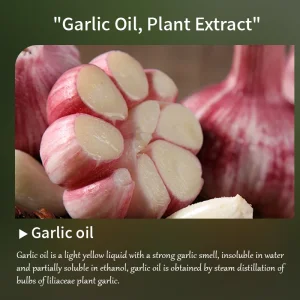
Best Pure Natural Skin Care Massage Essential Oil Garlic Oil for Food Flavor
Inquire Product Specifications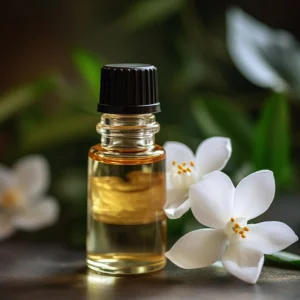
Buy Cosmetics Raw Material Jasmine Essential Oil for Perfume Making Quotes
Inquire Product Specifications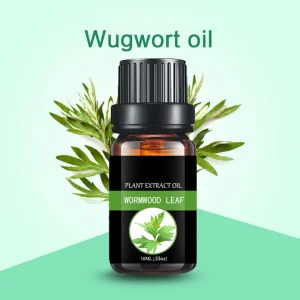
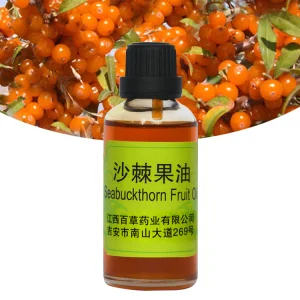
Famous Organic sea-buckthorn oil plant extract sea-buckthorn oil extract Exporter
Inquire Product Specifications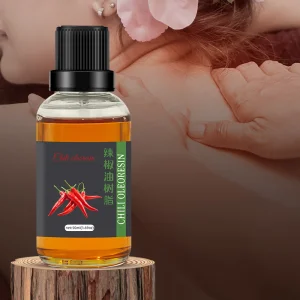
Cheap CAS 8023-77-6 Chili Pepper Extract Oil Capsicum Oleoresin Exporter
Inquire Product Specifications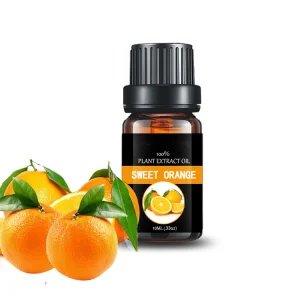
Wholesale menthol crystal Peppermint crystals, a plant extract Manufacturers
Inquire Product Specifications