High-Purity Essential Oils & Extract Derivatives
Direct factory supply manufactured in accordance with USP/EP standards, backed by full batch-level GC-MS and HPLC analytics.
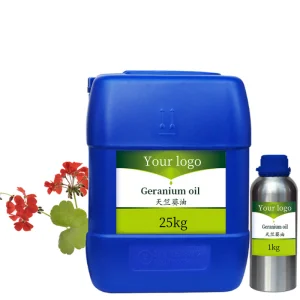
Best 100% Natural Organic Geranium Essential Oil Whitening Therapy Oil Best Price Suppliers, Factory
View Product Specs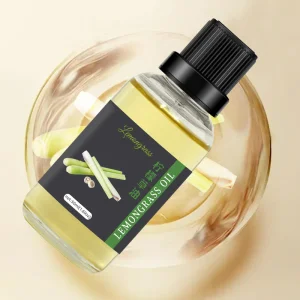
Discount Hot Selling High Quality Skin Body Care 100% Pure Essential Oil Lemon Grass Oil Suppliers, Service
View Product Specs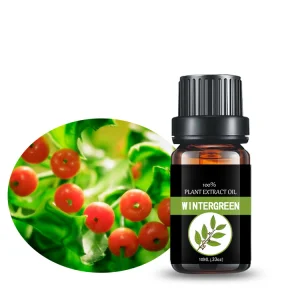
Best Aromatic oil Holly oil manufacturers wholesale pure methyl salicylate cosmetic oil plant extracts Manufacturer, Company
View Product Specs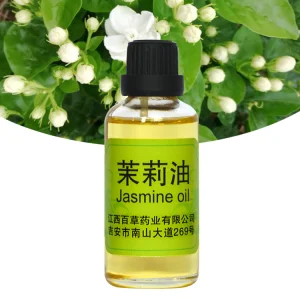
CE Certification Cosmetic grade Jasmine essential oil for body Factories, Companies
View Product Specs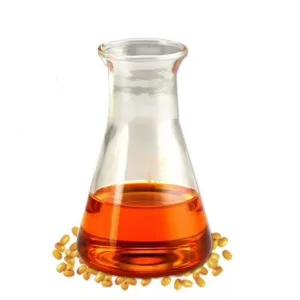
China Seabuckthorn Seed Oil Berry Fruit Extract Pure Bulk Sea Buckthorn Oil for Skin Exporter, Exporters
View Product Specs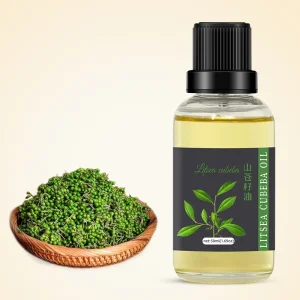
CE Certification Wholesale Bulk Pure Natural Organic Fragrance Oil May Chang Essential Oil Litsea Cubeba Oil Quotes, Products
View Product Specs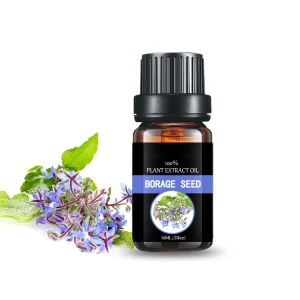
Discount Borage seed oil carrier oil, extract Pricelist, Product
View Product Specs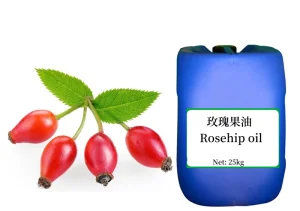
Wholesale Wholesale Aromatherapy Rosehip Carrier Oil Factories, Quotes
View Product SpecsEnd-to-End Botanical Active Integration Across Modern Industries
Bridging the gap between raw natural bio-resources and highly controlled chemical formulation environments.
Pharmaceutical & Therapeutic Compounds
Standardized phytocompounds such as high-purity methyl salicylate from holly oil, isolated capsicum oleoresins, and pure eugenol from clove leaf provide reliable bioactive building blocks for topical analgesics, anti-inflammatory ointments, and respiratory care formulas complying with USP and EP standards.
Cosmeceuticals & Advanced Skincare
Cold-pressed carrier oils like Borage Seed Oil (rich in Gamma-Linolenic Acid) and Sea Buckthorn Seed Oil (packed with Omega-3, 6, 7, 9) combined with therapeutic essential oils (Geranium, Rose, Patchouli) offer targeted dermal delivery systems, accelerating skin barrier repair, brightening, and anti-aging cell regeneration.
Functional Food, Beverages & Agroscience
Concentrated botanical extracts and natural aroma compounds like Litsea Cubeba (Citral rich) and Lemongrass Oil serve as green bio-preservatives, natural flavor matrices, and functional feed additives, replacing synthetic antimicrobial compounds with verified bio-based solutions.
The Global Plant Extracts Landscape: Market Dynamics & Green Technology Transition
A comprehensive overview of the global botanical extraction market, technical trends, and regulatory shifts driving procurement strategy.
1. Paradigm Shift in Global Plant Extract Sourcing
The global plant extract market is experiencing unprecedented expansion, driven by a structural shift toward clean-label, bio-based ingredients in pharmaceuticals, personal care, and nutraceuticals. Formulators are transitioning away from petroleum-derived synthetics toward natural phytochemicals. However, this global transition brings severe procurement challenges, including raw material volatility, seasonal secondary metabolite variations, and strict European (REACH, EU Cosmetics Regulation 1223/2009) and US FDA regulatory hurdles.
As qualified **Plant Extracts Exporters**, tier-one manufacturers must move beyond simple agricultural trading to establish complete control over the chemical fingerprint of their ingredients. Modern B2B buyers no longer evaluate suppliers solely on price per kilogram; they demand quantified **Information Gain**, comprehensive analytical proof (GC-MS, HPLC, NMR), and seamless regulatory dossier backing.
2. Transition to Advanced Green Extraction Technologies
Traditional steam distillation and solvent extraction methods are being systematically upgraded or replaced by advanced green technologies that preserve heat-sensitive bioactive molecules. Technologies such as **Supercritical Fluid Extraction (SFE-CO2)**, Subcritical Water Extraction, and Ultrasonic-Assisted Extraction (UAE) eliminate toxic solvent residues while increasing yield and chemical selectivity.
By executing controlled extraction parameters, exporters can isolate target monoterpenes, sesquiterpenes, polyphenols, and essential fatty acids without causing thermal degradation or isomerization. This technological evolution guarantees superior lot-to-lot bioactivity and stability in the finished consumer formulation.
| Extraction Technology | Primary Active Target | Key Technical Advantage | Formulation Benefit |
|---|---|---|---|
| Supercritical CO2 Extraction | Lipids, Essential Fatty Acids, Carotenoids | Zero solvent residue, low thermal load, inert CO2 protection | Maximum stability for fragile oils like Sea Buckthorn & Borage |
| Fractional Steam Distillation | Monoterpenes & Sesquiterpenes (e.g., Geraniol, Citral) | Precise cut-off temperatures to isolate target molecules | Consistently high purity for aromatic and therapeutic compliance |
| Molecular Distillation (Short Path) | High Boiling Point Compounds (Methyl Salicylate, Eugenol) | High vacuum pressure reduces boiling points drastically | Prevents thermal cracking; produces crystal-clear, high-purity oils |
| Cold-Pressing & Nitrogen Blanketing | Unsaturated Fatty Acids (Linoleic, Linolenic) | No thermal impact; total exclusion of ambient oxygen | Protects Rosehip and Wheat Germ Oils from premature peroxidation |
Rigorous Technical Roadmap & Chromatographic Control
Ensuring absolute chemical integrity from raw botanical harvesting to sealed export container loading.
Phase I: Feedstock Authentication
Every incoming botanical batch undergoes DNA barcoding, microscopic botanical identification, and moisture/ash analysis. Material failing organoleptic or preliminary thin-layer chromatography (TLC) screening is rejected before processing.
Phase II: Controlled Extraction & Fractionation
Automated stainless steel 316L extractors run programmed pressure and temperature curves. Real-time sensor monitoring regulates fluid dynamics, ensuring optimal target yield while limiting co-extraction of undesirable waxes or heavy resins.
Phase III: Analytical Verification (GC-MS/HPLC)
Finished plant extracts and essential oils are profiled via Gas Chromatography-Mass Spectrometry (GC-MS) or High-Performance Liquid Chromatography (HPLC) to verify active biomarker concentrations and detect adulteration or pesticide traces.
Information Gain Insight: Batch-to-batch consistency in natural extracts relies on adjusting extraction fractionation parameters against raw material phytochemical shifts. Our analytical laboratory maintains over 500 chemical fingerprint standards to guarantee identical bioactivity regardless of crop season variation.
Global Regulatory Assurance & Localized Market Support
Facilitating seamless international trade and hassle-free customs clearance through complete regulatory documentation.
International Regulatory Compliance Dossiers
Navigating global regulatory bodies requires precise documentation. Every shipment from our facilities includes a complete technical bundle designed for quick regulatory filing:
- Certificate of Analysis (COA): Batch-specific chemical profile and physical constants.
- Safety Data Sheet (SDS / MSDS): Compliant with GHS Rev. 8 standard protocols.
- Gas Chromatography (GC-MS) Profile: Full breakdown of volatile organic constituents.
- Heavy Metals & Pesticide Screen: ICP-MS testing verifying compliance with EU/USP limits.
- Microbiological & Aflatoxin Testing: Certified pathogen-free limits for oral or dermal use.
- Kosher, Halal, ISO 22000, and cGMP Certifications.
Localized Supply Chain & Logistics Assurance
Global logistics demand customized packaging and climate protection to safeguard delicate botanical actives during transit:
- Nitrogen-Purged Aluminum & Fluorinated Drums: Prevents oxidation during sea freight.
- Temperature-Controlled Cold-Chain Shipping: Protects unstable carrier oils like Rosehip & Borage.
- Custom OEM/ODM Formulation & Packaging: Bulk packaging, retail amber glass, or custom drums.
- Flexible Incoterms Support: FOB, CIF, DDP shipping options with full customs handling.
Localized Application Scenarios & Chemical Compatibility
Translating pure raw plant extracts into highly stable, bioavailable commercial end products.
Dermal Delivery & Lipid Emulsions
Incorporating carrier oils like Borage Seed Oil and Wheat Germ Oil into O/W or W/O emulsion systems requires precise lipophilic balance. Their elevated levels of unsaturated linoleic and gamma-linolenic fatty acids demand anti-oxidant co-passivation (e.g., mixed tocopherols or Rosemary Oleoresin Extract) to maintain emulsion integrity and prevent rancidity over a 24-month shelf life.
Topical Analgesics & Sports Recovery
High-purity Holly Oil (Methyl Salicylate) acts as a potent rubefacient in counter-irritant balms and sports gels. Formulators combining Methyl Salicylate with Clove Leaf Oil (Eugenol) gain synergistic topical pain relief. Micro-encapsulation or liposomal delivery further controls skin penetration kinetics, reducing epidermal irritation while maximizing deep-tissue therapeutic effects.
Aromatherapeutic & Fragrance Matrices
Volatile floral notes like Jasmine Essential Oil and Rose Essential Oil possess complex multi-component olfactory profiles. Integrating these extracts into fine fragrances or aromatherapy diffusers demands strict terpene cut management during fractionation to prevent off-notes, ensuring consistent top, middle, and base note evaporation curves.
Technological Roadmap: AI-Driven Phytochemical Discovery & Next-Gen Biorefinery
Pioneering intelligent extraction systems, real-time chemometric monitoring, and sustainable green chemistry.
1. AI-Powered Chemical Screening & Smart Harvesting
The future of botanical extraction lies in converging artificial intelligence with plant metabolomics. By analyzing multi-spectral imagery and micro-climate data from crop fields, AI algorithms predict the exact hour of peak secondary metabolite concentration. This enables targeted harvesting, yielding significantly higher bio-active counts prior to processing.
Furthermore, machine learning models simulate liquid-liquid separation and solvent dynamics, optimizing processing temperature and pressure parameters automatically. This cuts energy usage by up to 35% while yielding exceptionally pure botanical fractions.
2. Zero-Waste Botanical Biorefinery Model
Leading plant extract manufacturers are evolving toward full zero-waste bio-refineries. Post-distillation plant biomass is transformed into functional fiber, organic soil amendments, or secondary extract streams (e.g., hydrosols and polyphenol-rich solid extracts). This circular economy model reduces environmental footprint, lowers production costs, and supports global corporate sustainability initiatives.
Frequently Asked Technical & Sourcing Questions
Addressing essential questions raised by chemical formulators, quality directors, and global procurement teams.
How do you ensure batch-to-batch chemical consistency in natural plant extracts?
What analytical testing methods are performed on essential oils and carrier oils?
What is the shelf life and optimal storage protocol for cold-pressed carrier oils?
Can you supply customized OEM/ODM concentrations or specialized botanical cuts?
What regulatory documentation is supplied for EU and US market entry?
What are your standard Minimum Order Quantities (MOQ) and sample lead times?
Specialized Plant Extracts & Therapeutic Oils
Explore our complete range of standardized extract oils, oleoresins, and pure plant concentrates.
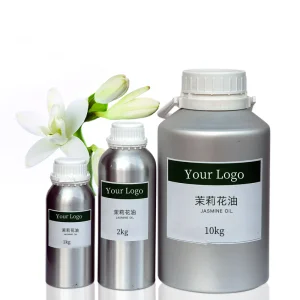
Wholesale Jasminum Sambac Oil Pure Natural Jasmine Essential Oil Wholesale Bulk Price Exporters, Products
View Product Specs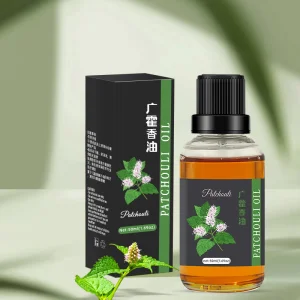
China Pure Patchouli Essential Oil for Body Massage - OEM Supply Suppliers, Service
View Product Specs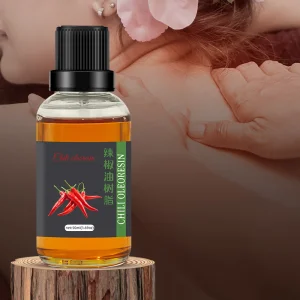
Cheap CAS 8023-77-6 Chili Pepper Extract Oil Capsicum Oleoresin Exporter, Companies
View Product Specs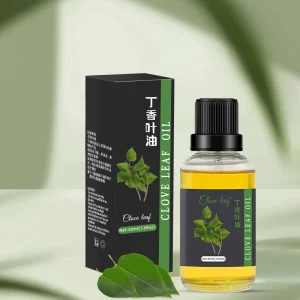
ODM 100% Natural Pure Organic Clove Leaf Oil Clove Essential Oil Supplier, Quotes
View Product Specs
CE Certification Private brand pure natural oil Rose oil Supplier, Exporters
View Product Specs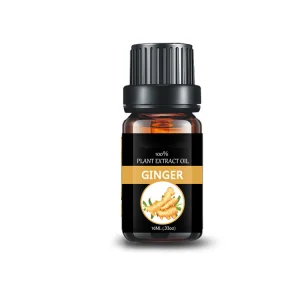
Famous Professional manufacturer Ginger flower oil zingiberol Manufacturers, Suppliers
View Product Specs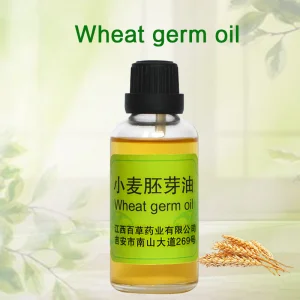
Custom Global exporters wholesale bulk essential oil wheat germ oil Manufacturer, Service
View Product Specs