
Featured Commercial Ingredients: Grade A Extracts
Qualified high-potency aromatic oils, oleoresins, and cinnamic fractions manufactured under ISO 9001 and cGMP criteria for direct global shipment.
Global Market Overview: The Food Additive Oil Sector
Analyzing the macroeconomic shifts driving botanical oil applications across clean-label processing, industrial seasoning, and sustainable supply lines.
Cost Volatility & Supply Chain Resilience
Agricultural harvest cycles, geopolitical maritime constraints, and regional climate shifts introduce significant cost fluctuation into raw materials such as cassia bark, pepper pods, and raw citrus peel. Industrial procurement requires integrated manufacturers capable of holding substantial reserves, stabilizing raw materials against speculative spot markets.
Clean-Label & Antimicrobial Mandates
Global regulatory bodies (FDA, EFSA, CFSA) are pushing food formulators away from synthetic preservatives (such as TBHQ and BHT). Naturally derived aldehyde and phenol-rich botanical oils like cinnamaldehyde and capsicum extract act as multi-functional ingredients, simultaneously enhancing complex flavor notes and suppressing foodborne microbiological growth.
Standardization Over Raw Distillation
Legacy flavor houses often faced dramatic variations between botanical harvests. Modern enterprise manufacturing utilizes multi-stage fractional molecular distillation to produce standard chemical grades (e.g., 98% trans-cinnamaldehyde, calibrated Scoville heat unit Capsicum Oleoresin), ensuring consistency in high-speed, automated production lines.
Commercial Pricelist & Technical Grade Matrix
Indicative wholesale B2B spot tiers based on metric ton and multi-drum production runs. Certified under ISO/GMP protocols with export documentation.
| Compound / Commercial Product | CAS Number | Standard Purity / Marker | Primary Industrial Use | Indicative Price Tier (FOB China) | Compliance Standards |
|---|---|---|---|---|---|
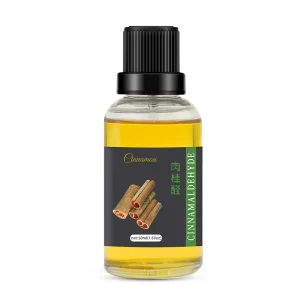
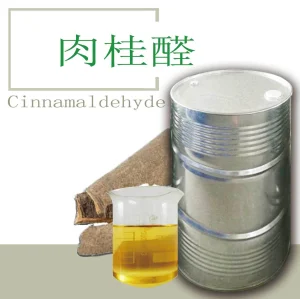
| trans-Cinnamaldehyde (Food Grade) | 104-55-2 | ≥ 98.0% GC | Bakery flavor, chewing gum, beverage preservation | $12.50 – $18.00 / kg | FCC, USP, GMP, Halal |
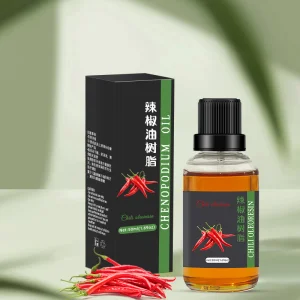
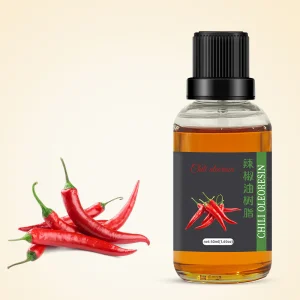
| Capsicum Oleoresin (Decolorized / Standard) | 8023-77-6 | 500,000 – 1,000,000 SHU | Condiments, instant noodle sauces, meat rubs | $22.00 – $36.00 / kg | ISO 22000, Kosher, REACH |
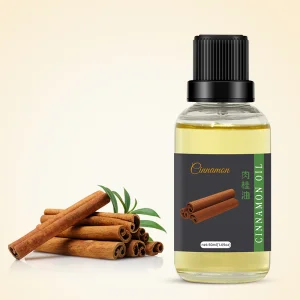
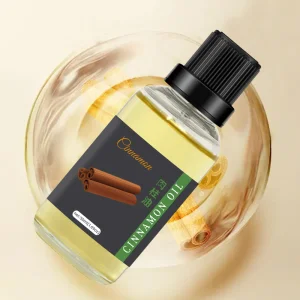
| Cinnamon Bark Oil (Cassia Natural) | 8007-80-5 | 85% - 90% Total Aldehydes | Natural flavoring agent, confectionery, aromatherapy | $28.00 – $42.00 / kg | cGMP, GRAS Certified |
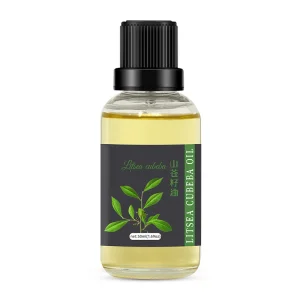
| Litsea Cubeba Oil (May Chang) | 68855-99-2 | ≥ 70% Citral Content | Citrus flavor blending, confectionery, savory aromatics | $19.50 – $26.00 / kg | FDA Food Grade, GC-MS |
| Nutmeg Oil (Myristica Fragrans) | 8008-45-5 | Steam Distilled / Pure | Meat curing, bakery spice mixes, savory broths | $45.00 – $65.00 / kg | ISO 9001, COA Certified |
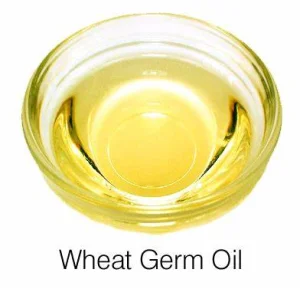
| Wheat Germ Oil (Food / Nutritional) | 68917-73-7 | Cold Pressed / High Vitamin E | Nutritional lipid blending, health oil fortifications | $14.00 – $20.00 / kg | Non-GMO, Organic Options |
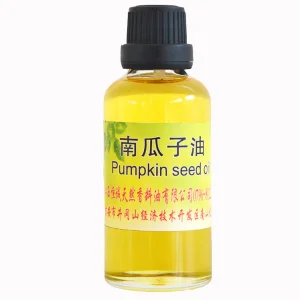
| Pumpkin Seed Oil (Nutritional Grade) | 8016-49-7 | Virgin Cold Pressed | Culinary specialty dressing, dietary supplements | $16.50 – $24.00 / kg | Food Additive Regs, COA |
*Note: Final contract quotes depend on annual procurement commitments, fluctuating crude botanical biomass yields, specific packaging requirements (25kg drum vs. 1000kg IBC tote), and regional delivery Incoterms.
Targeted Industrial Use Cases: Global Regional Deployments
How international processors leverage food-grade plant oils to satisfy specific market dietary habits, thermal constraints, and sensory demands.
East Asian Savory & Ready-to-Eat Formulations
In instant ramen broths, hotpot bases, and braised meat lines throughout China, Korea, and Japan, stabilized Capsicum Oleoresin and Litsea Cubeba oils deliver immediate spice and citrus top-notes that resist flash cooking without degrading pungency or introducing burnt flavors.
North American Bakery & Confectionery
US and Canadian commercial bakeries require trans-cinnamaldehyde (>98%) to replace ground cassia powders, eliminating coarse sedimentation in clear syrups, preventing thermal degradation during 380°F baking runs, and delivering uniform cinnamon aroma across industrial batch sizes.
European Clean-Label Meat & Lipid Preservation
Under strict EU organic and allergen compliance, cured pork and poultry processors replace synthetic nitrites and parabens with complex essential oil fractions, including standardized nutmeg oil, rosemary extracts, and cassia leaf oils, prolonging shelf life via natural lipid oxidation inhibition.
Technical Roadmap: The Future of Food Additive Oils
From crude steam distillation to molecular fractionation and nanocapsular stabilization: how extraction technology is solving formulation challenges.
Phase 1: Subcritical & Supercritical CO₂ Extraction
Eliminating petroleum solvents (hexane and benzene residues). Supercritical CO₂ preserves delicate monoterpenes and volatile aldehydes at lower temperatures, producing a pure botanical profile free from extraction artifacts.
Phase 2: Nano-Emulsification & Water Dispersibility
Pure botanical oils exhibit limited solubility in aqueous food matrices. Ultrasonic nano-emulsification binds natural lipophilic molecules into stable micelles, allowing essential oils to disperse clearly in carbonated beverages and isotonic drinks without phase separation.
Phase 3: Thermal Microencapsulation
By encasing volatile cinnamaldehyde and pepper oleoresins in cross-linked maltodextrin or pea protein matrix walls, volatile active evaporation during industrial extrusion and spray drying is cut by 85%, releasing full flavor only upon oral mastication.
Macro Procurement Framework: Vetting Sourcing Partners
Strategies for navigating supplier qualification, laboratory audits, and international shipping protocols in the natural oils sector.
Analytical Purity Verification (GC-MS & HPLC)
Commercial adulteration remains a persistent risk in volatile oils. Raw material testing should require both Gas Chromatography-Mass Spectrometry (GC-MS) for volatile signatures and High-Performance Liquid Chromatography (HPLC) to verify non-volatile active compounds before customs clearance.
Certifications & Factory Traceability
Confirm the direct manufacturing footprint behind intermediate brokers. True primary producers should hold verified cGMP certifications, ISO 22000, and FDA Foreign Facility Registrations, along with clear documentation tracing materials back to original agricultural cooperatives.
Packaging Integrity for Long-Haul Transit
Oxidation, light penetration, and temperature spikes degrade essential oil actives during sea transit. Quality-focused exporters ship in nitrogen-flushed, epoxy-lined PVF steel drums, sealed fluorinated HDPE containers, or specialized food-grade intermediate bulk containers (IBCs).
Specialized Botanical Compounds & Nutritional Oils
Discover our extended line of cold-pressed carrier oils, functional powders, and aromatic extracts for health, fragrance, and food industries.
Frequently Asked Questions: Procurement & Formulation
Common questions regarding technical specifications, minimum order quantities, and international compliance documentation.