Featured Bulk Essential Oils & Certified Technical Fractions
Precision-distilled botanical compounds optimized for large-scale enterprise scent diffusion, personal formulation, and standardized pharmaceutical blending.
Demystifying Diffusing Cinnamon Essential Oil: Bark vs. Leaf Chemistry
Strategic enterprise buyers sourcing discount diffusing cinnamon essential oil must rigorously distinguish botanical varietals, chemotypes, and distillation fractions to prevent diffuser nozzle clogging and regulatory non-compliance.
In the international commercial fragrance and therapeutic diffusion sector, diffusing cinnamon essential oil stands apart due to its potent warm, spicy, and antimicrobial olfactory profile. However, corporate procurement teams face substantial risks regarding component adulteration, improper viscosity index ratings, and dermal/respiratory sensitizers if the fundamental chemistry between Cinnamomum cassia (Chinese Cinnamon) and Cinnamomum verum (Ceylon Cinnamon Bark or Leaf) is misunderstood.
When procuring wholesale diffusion-grade oils, the primary active volatile of interest is (2E)-3-phenylprop-2-enal, universally known as trans-cinnamaldehyde. For ultrasonic mist generation and HVAC cold-air venturi nebulization, cassia-derived cinnamon oil provides an economically superior volatile profile with naturally occurring cinnamaldehyde levels ranging between 75% and 88%. This concentration delivers immediate projection, long-lasting ambient persistence, and high microbial vapor clearance at lower dosage volumes.
Unlike heavier viscous resins, our steam-rectified cinnamon fractions are engineered specifically to balance kinematic viscosity (typically 3.5 to 5.2 cSt at 25°C) and flash points (88°C–92°C). This tight technical control prevents residual polymer buildup inside delicate piezoelectric transducer ceramic discs and 0.15mm brass nebulizer orifices.
Gas Chromatography Fingerprint Benchmarks
Analytical requirements enforced by Jiangxi Baicao Pharmaceutical QC testing centers before release to industrial scent clients:
- Trans-Cinnamaldehyde: 75.0% - 88.5% (Retention Time: 21.4 min)
- Cinnamyl Acetate: 1.5% - 5.0% (Smooth sweet balancing ester)
- Eugenol Profile: < 2.0% in Chinese Cassia (Leaf vs Bark marker)
- Coumarin Limits: Standardized via secondary column fractionation
- Refractive Index (20°C): 1.6020 – 1.6140
| Botanical Source & Extraction Method | Predominant Volatile Marker | Diffusion Suitability Index | Kinematic Viscosity (25°C) | Commercial Pricing Tier | Primary Industrial Sector |
|---|---|---|---|---|---|
| Cinnamomum cassia (Steam Bark Distillate) | Trans-Cinnamaldehyde (80-85%) | Optimal (HVAC / Nebulizer) | 3.8 cSt | Discount Factory Direct | Commercial Scenting, Anti-odor |
| Cinnamomum verum (Ceylon True Bark Oil) | Trans-Cinnamaldehyde (65-72%) | High (Luxury Aromatherapy) | 4.4 cSt | High Premium (+320%) | Fine Perfumery, Luxury Spas |
| Cinnamomum verum (Ceylon Leaf Distillate) | Eugenol (70-85%) | Moderate (Spicy Woody) | 4.9 cSt | Mid-Range | Dental Blends, Soap Formulations |
| Synthetic Cinnamaldehyde Dilution | Petrochemical Cinnamaldehyde | Poor (Coating Resins) | Variable (>6.0 cSt) | Ultra-Low / Risky | Industrial Solvents (Non-diffusing) |
China Factory Supply Chain: Why Direct Sourcing Unlocks True Discount Value
Eliminating multi-tier distributor premiums through GMP-certified extraction hubs, optimized agricultural consolidation, and high-capacity batch distillation in Jiangxi Province.
Southern China Botanical Belt
Southern China represents over 70% of global commercial Cassia production. By maintaining direct farm-level harvesting contracts in optimal climatic microregions, Jiangxi Baicao secures select aged bark with superior oleoresin saturation. This eliminates 3 to 4 intermediaries, translating into reliable, structural wholesale discount pricing without chemical adulteration.
Multi-Stage Vacuum Rectification
Standard crude essential oils contain heavy pitch, waxes, and burnt terpenes resulting from direct-fire stills. Our facility operates multi-stage high-vacuum stainless-steel fractionating columns. We separate the volatile cinnamaldehyde cuts under precise low-temperature regimes, effectively neutralizing thermal degradation and eliminating heavy waxes that fail diffuser cold-air nozzles.
Export Scale & Consolidation
Whether shipping in 25kg fluorinated HDPE carboys, 180kg epoxy-coated steel drums, or 1000L IBC totes, our supply chain is tailored for containerized freight. We offer consolidated shipments combining diffusing cinnamon oil with essential co-solvents and carrier matrices like jojoba, avocado, terpineol, or white mineral fractions to maximize ocean container space.
Localized Regulatory Support, Safety Data & Compliance Guarantees
Navigating complex international chemical and cosmetic safety frameworks requires rigorous lab documentation, ensuring zero regulatory hold-ups at European, North American, and Asia-Pacific ports of entry.
IFRA 51st Amendment Compliance
Cinnamaldehyde and cinnamyl alcohol are categorized as potential skin sensitizers under the International Fragrance Association (IFRA) standards. For Category 12 (Air Fresheners, Nebulizers, Passive Diffusers, Scented Candles), our technical team provides concentration limits certification, allowing commercial operators to maximize room scent intensity while remaining well within safe occupational limits.
EU REACH & CLP Classifications
European corporate buyers receive full 16-section Safety Data Sheets (SDS) strictly formatted according to Regulation (EC) No 1907/2006 (REACH) and CLP Regulation (EC) No 1272/2008. Complete with UFI (Unique Formula Identifier) coordination, acute toxicity profiling (oral LD50 >2000 mg/kg), and aquatic eco-toxicity assessments for bulk customs clearing.
US TSCA & Prop 65 Screening
In the United States market, all chemical inventories are validated against the TSCA active listing. Crucially, each lot undergoes high-resolution HPLC testing for trace coumarin levels and synthetic adulteration markers, providing US distributor clients with clear California Proposition 65 risk assessments and comprehensive FDA GRAS dossiers.
Chiral & Carbon-14 Isotope Purity
The discount essential oil sector is flooded with cheap petrochemical benzaldehyde synthetically converted to cinnamaldehyde. Jiangxi Baicao implements dual chiral GC-FID and carbon-14 isotopic ratio verification to guarantee 100% plant-origin bio-based integrity for clean-label international wellness certifications.
Flash Point & UN Transport Safety
Diffusing oils are subject to strict Dangerous Goods (DG) shipping regulations. With closed-cup flash point testing documented per batch (Class 9 / UN 3082 or non-hazardous transport depending on blend ratios), we provide marine pollutant certifications (IMDG) and air shipping declarations (IATA DGR) that prevent shipping delays.
Full Traceability & Batch Samples
Every export container is tied to harvest farm batches, distillation kettle records, and duplicate retained library samples kept for 36 months in our climate-regulated sample repository, guaranteeing long-term batch-to-batch repeatability for multinational consumer brands.
Global Procurement Needs & Localized Technical Application Scenarios
Analyzing how enterprise procurement managers across hospitality, facility management, and consumer packaged goods (CPG) deploy discounted bulk cinnamon diffusing oils.
HVAC Cold-Air Scent Marketing
Commercial shopping complexes, casinos, and luxury hospitality chains deploy centralized HVAC ducted cold-mist scenting systems. Diffusing cinnamon oil provides a comforting ambient scent proven to increase retail dwell time and perceived indoor warmth during autumn and winter seasons. Our low-viscosity formula ensures mist suspension in large air handling volumes (AHUs) over 50,000 m³ without duct fallout condensation.
Indoor Air Sanitization & Odor Control
Scientific literature confirms trans-cinnamaldehyde's strong vapor-phase antibacterial and antifungal efficacy against airborne pathogens including Staphylococcus aureus and Aspergillus niger. Facility maintenance companies utilize our discount bulk drums to formulate clean-label commercial deodorizing agents for fitness facilities, airports, and public washrooms that eliminate sulfur and ammonia odors.
Private Label Aromatherapy & Reed Diffusers
Consumer brands require pre-blended, ready-to-bottle diffuser refills. We support private-label brand owners by supplying pre-compounded mixtures of pure cinnamon oil paired with dipropylene glycol methyl ether (DPM), triethyl citrate, or eco-friendly solvent bases (e.g., Augeo Clean Multi) engineered for constant evaporative reed throw without premature top-wick clogging.
Key Industry Evolution & Technological Trends
How digital fragrance delivery, green chemistry extraction, and macroeconomic shifts are reshaping wholesale cinnamon oil procurement.
AI-Enabled IoT Smart Nebulizers
The global scent engineering landscape is shifting rapidly from manual timer-based aerosol dispensers to IoT-connected cold-air nebulizers driven by machine learning. These devices dynamically regulate droplet dispersion based on real-time indoor air quality (IAQ) sensors, foot traffic density, and ambient humidity. This requires essential oil formulations with strictly validated surface tension (28–32 dynes/cm) and zero particulate crystallization over fluctuating operating temperatures.
Clean-Label Non-Synthetic Preference
Consumer scrutiny over synthetic air freshening propellants and synthetic phthalate musk solvents has generated double-digit demand growth for 100% natural, botanically defined cinnamon essential oil solutions. B2B buyers who leverage transparent direct-from-factory pricing can market true clean-label, bio-based claims while preserving healthy gross margins that traditional European perfume brokers cannot match.
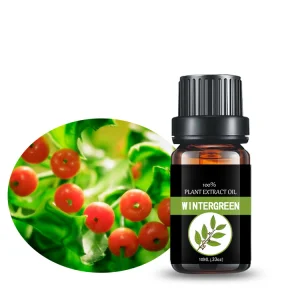
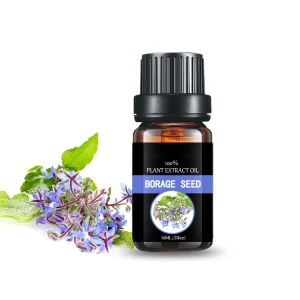
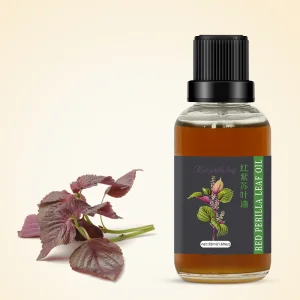
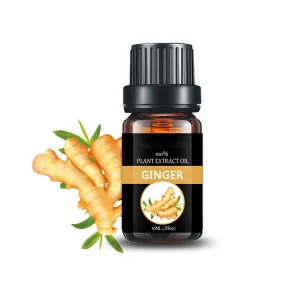
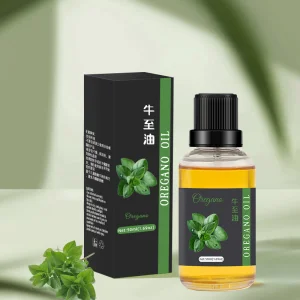
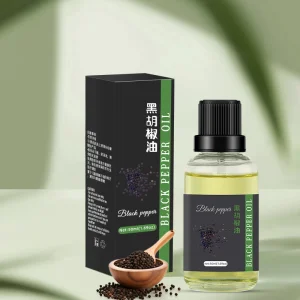
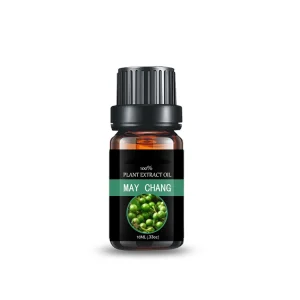
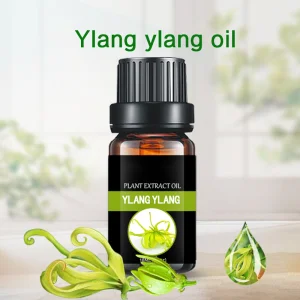
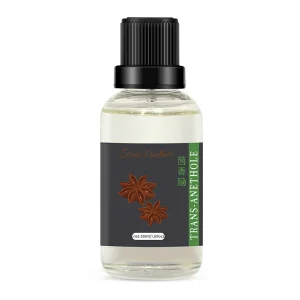
Explore Synergistic Bulk Botanicals & Base Oils
Complete your formulation blending requirements with companion essential oils, natural aromatics, and carrier bases directly from our Jiangxi distillation plant.
Frequently Asked Questions for Commercial Buyers
Direct technical and procurement responses to ensure seamless qualification and purchasing of bulk diffusing cinnamon essential oil.
Why is pure cinnamon oil often discounted, and how can buyers verify it isn't adulterated?
Discounts in the essential oil industry arise from two distinct mechanisms: economies of direct-origin manufacturing scale (genuine advantage) versus chemical adulteration with synthetic trans-cinnamaldehyde derived from petrochemical benzaldehyde and acetaldehyde (fraudulent dilution). Jiangxi Baicao achieves competitive discount pricing through agricultural distillation integration in Jiangxi and automated 12-line production. We verify botanical authenticity using chiral GC-MS analysis, specific gravity assays (1.045–1.070 at 25°C), and Carbon-14 isotopic testing to ensure 100% natural bio-based content.
Will bulk diffusing cinnamon oil damage or clog ultrasonic and cold-air HVAC diffusers?
Unrefined, crude cinnamon oils or heavy solvent extracts contain dense botanical resins that quickly foul ultrasonic vibrating plates and microscopic venturi nozzles. Our diffusing-grade cinnamon essential oil undergoes vacuum secondary distillation to remove polymerizing resinous residues, maintaining a low kinematic viscosity of 3.8 cSt at 25°C. When diffused through commercial cold-air atomizers, it creates clean 1 to 5-micron dry aerosol droplets with no sticky residues inside air ducts or nozzle tips.
What documentation accompanies every wholesale export shipment?
Each container is dispatched with an unambiguous regulatory portfolio: batch-specific Certificate of Analysis (COA) matching purchase orders, complete Gas Chromatography (GC-FID) and Mass Spectrometry (GC-MS) trace profiles, 16-section GHS-compliant Material Safety Data Sheet (MSDS/SDS), IFRA 51st Amendment conformity statements, Technical Data Sheets (TDS), and non-animal testing / GMO-free declarations for international compliance.
What are the minimum order quantities (MOQ) and available bulk packaging formats?
We accommodate both trial testing and industrial production schedules. Standard testing samples begin at 500g or 1kg in sealed aluminum containers. Commercial bulk tiers include 25kg UN-rated fluorinated polyethylene carboys, 180kg zinc-lined or epoxy-phenolic coated steel drums, and 1,000kg composite IBC tanks. We also offer fully custom OEM retail packaging, including amber glass dropper bottles (10ml, 30ml, 100ml) with tamper-evident caps and custom labeling.
How does cinnamon oil perform in cold weather ambient scenting?
Cinnamon essential oil has an olfactory perception threshold far lower than citrus or light floral compounds. The high vapor pressure of trans-cinnamaldehyde allows it to project efficiently even in low-temperature ambient settings where other botanicals fail to evaporate. This makes it an industry benchmark for autumnal and winter holiday scenting in shopping malls, hotels, and public facilities seeking to create an inviting atmosphere.
What is the standard production lead time and global transit timeline?
Standard spot orders of inventory drums are dispatched from our Jiangxi factory warehouse within 3 to 5 business days. Contract distillation campaigns (custom active percentages or fractional rectification) typically require 10 to 14 business days. Ocean transit from Ningbo or Shenzhen ports averages 14–18 days to the US West Coast and 25–30 days to main European ports. Expedited air-cargo options (FedEx, DHL, or dedicated air freight) are available for time-sensitive production schedules.