Certified Botanical Actives & Carrier Formulations
High-performance botanical oils and pure fractions manufactured in GMP-certified extraction lines. Each ingredient is tested under GC-MS, chiral chromatography, and heavy-metal protocols for maximum derm-cosmetic follicular bioavailability.
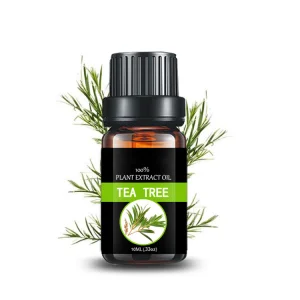
Global Commercial Landscape of Tea Tree Oil For Hair
Navigating international supply dynamics, shifting chemotype balances, and escalating procurement requirements for therapeutic trichology applications.
Projected Trichology CAGR (2024–2032)
Min. Terpinen-4-ol Standard (ISO 4730)
Controlled 1,8-Cineole Irritancy Floor
GMP Refinement Infrastructure
Geographical Sourcing & Yield Fluctuations
The global procurement of commercial Melaleuca alternifolia oil has historically concentrated around Australia's northern rivers and specialized agro-forestry plantations in China, South Africa, and Kenya. Escalating climate volatility and shifting monsoon cycles have introduced seasonal yield instability, causing severe price volatility in spot crude markets. Leading international B2B cosmetic manufacturers are transitioning from opportunist spot purchases toward long-term fractional distillation contracts with verified primary extractors.
Establishing supply continuity requires upstream supply-chain visibility, multi-harvest integration, and large-scale stainless rectification facilities. By consolidating biomass sourcing across stable agro-zones and implementing automated steam-distillation circuits, suppliers can guarantee steady metric-ton deliveries without seasonal active degradations.
Therapeutic Scalp Formulation Trends
The hair care landscape has fundamentally pivoted from purely aesthetic surfactant cleaning toward prescriptive "skinification" of the scalp. In clinical trichology, consumer demand has surged for silicone-free, sulfate-free scalp serums targeting dandruff, seborrheic dermatitis, follicular hyperkeratinization, and micro-inflammatory telogen effluvium. Pure essential tea tree oil is the industrial benchmark natural broad-spectrum antimicrobial active.
However, consumer tolerance thresholds have tightened. Bulk industrial buyers can no longer rely on unstandardized native oils. Modern high-tier formulations require customized fractional cuts that elevate the antifungal and bactericidal driver Terpinen-4-ol while suppressing mucosal and epidermal irritants like 1,8-cineole and allergen markers like terpinolene and alpha-terpinene.
Stringent Anti-Adulteration Verification
Synthetic cineole, pinene additions, and petrochemical terpinen-4-ol reconstitutions represent an ongoing threat in commercial markets. Diluted or synthetically bolstered tea tree oils fail chiral chromatography testing and introduce severe formulation failure risks under EU Cosmetic Regulation (EC) No 1223/2009 and the US MoCRA framework.
Enterprise procurement teams demand comprehensive analytical portfolios for every batch: high-resolution capillary Gas Chromatography-Mass Spectrometry (GC-MS), Carbon-14 (14C) isotope dating, refractive index metrics, and optical rotation signatures. Ensuring raw material integrity eliminates cross-contamination risks and regulatory liability in commercial production.
ISO 4730:2017 Chromatographic Compliance Matrix
Comparative analytical benchmarks of pharmaceutical hair-grade Melaleuca alternifolia oil versus unrefined commercial batches, detailing bioactive efficacy thresholds.
| Constituent Compound | ISO 4730 Baseline | Baicao Pharma Hair Grade Spec | Primary Bio-Mechanism in Trichology | Safety & Stability Impact |
|---|---|---|---|---|
| Terpinen-4-ol | 35.0% - 48.0% | 40.5% - 46.2% | Lyses Malassezia restricta cell membrane, disrupts biofilm | Key bioactive driver; reduces inflammatory cytokines (IL-1β, TNF-α) |
| gamma-Terpinene | 14.0% - 28.0% | 18.5% - 24.0% | Synergistic lipid peroxidation inhibition on scalp sebum | Maintains oxidative balance; requires oxygen-barrier shielding |
| alpha-Terpinene | 6.0% - 12.0% | 7.5% - 10.5% | Antimicrobial broad-spectrum adjuvant | High affinity for free radicals; vulnerable to photo-oxidation |
| 1,8-Cineole (Eucalyptol) | ≤ 15.0% (Commonly >7%) | < 3.0% (Low-Irritation Cut) | Penetration enhancer (cuticle & dermal stratum corneum) | Lower percentages prevent erythema, itch, and dermal sensitivity |
| alpha-Terpineol | 1.5% - 8.0% | 3.2% - 5.8% | Antifungal adjuvant, soothing sensory profile | Enhances pleasant botanical aromatic notes, masks pungent sulfates |
| p-Cymene | 0.5% - 8.0% | < 1.8% (Fresh Steam Run) | Oxidative indicator byproduct of terpinenes | Strictly minimized; high p-cymene signals thermal or shelf decay |
| Terpinolene | 1.5% - 5.0% | 2.8% - 3.9% | Lipophilic membrane permeabilizer | Regulated trace levels to balance efficacy and allergen thresholds |
Formulation Stability: Combatting Auto-Oxidation in Scalp Preparations
The primary vulnerability of tea tree essential oil in water-based shampoos, clarifying rinses, and anhydrous scalp serums is oxidative degradation. When exposed to atmospheric headspace oxygen, UV light, or elevated manufacturing shear, gamma-terpinene and alpha-terpinene oxidize into endoperoxides, peroxides, and p-cymene. These oxidation derivatives are documented allergens that trigger contact dermatitis.
Baicao solves this industrial hurdle by using nitrogen blanketing across all storage tanks, integrating natural rosemary oleoresin/tocopherol synergy packs upon specification, and providing vacuum-sealed, epoxy-lined stainless packaging. This ensures that every shipment arrives with an ultra-low peroxide value (POV < 5 meq O₂/kg), maintaining long-term shelf stability for finished commercial cosmetics.
Targeted Industrial & Localized Application Scenarios
Translating pure Melaleuca alternifolia active components into scalable commercial hair care formulations across diverse manufacturing environments.
1. Clarifying Anti-Dandruff Shampoos
Dosage Level: 0.8% - 1.5% w/w.
Technological Challenge: Essential oils naturally destabilize micellar arrays in anionic surfactant bases (e.g., Sodium Cocoyl Isethionate, SLES, Sodium Lauroyl Methyl Isethionate), causing viscosity drop and product haze.
Processing Solution: Pre-solubilize the oil with high-HLB non-ionic surfactant matrices (e.g., Polysorbate 20, Polyglyceryl-4 Caprate) at a 1:3 ratio before cold incorporation into surfactant mixtures below 35°C to preserve volatile mono-terpenes.
2. Follicle-Stimulating Scalp Peels & Tonics
Dosage Level: 0.3% - 0.7% w/w.
Technological Challenge: Penetrating deep into the follicular infundibulum to clear oxidized squalene and dead sebum casts without stripping the epidermal barrier.
Processing Solution: Combine fractional low-cineole tea tree oil with mild Salicylic Acid (0.5%) and Propanediol carriers. Terpinen-4-ol acts as a natural lipophilic bio-permeabilizer, disrupting fungal biofilms while soothing follicular erythema.
3. Anhydrous Scalp Treatment Oils
Dosage Level: 2.0% - 5.0% w/w.
Technological Challenge: Providing an intensive anti-itch, balancing hot-oil treatment without imparting heaviness or lingering medicinal aromas.
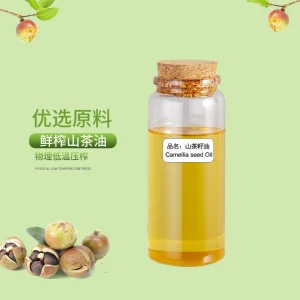
Processing Solution: Dilute high-purity tea tree oil into premium dry carrier oils such as cold-pressed Jojoba oil, Camellia Japonica seed oil, and fractionated squalane. This mimics native sebum, accelerating trans-follicular transport and leaving a non-greasy finish.
Technical Roadmap: Next-Generation Scalp Bio-Actives
How advancing extraction methodologies, microencapsulation matrices, and molecular distillation are reshaping modern trichological formulation engineering.
Low-Pressure High-Vacuum Rectification
Standardizing continuous secondary fractional vacuum distillation towers to remove residual cineole fractions (<2%) and eliminate high-boiling residual sesquiterpenes. Produces water-clear, odor-optimized essential oils with low dermal irritation profiles.
Subcritical Supercritical CO₂ Fractionation
Replacing traditional thermal steam contact with dense carbon dioxide fluid extraction at ambient extraction temperatures (31–40°C). Eliminates thermal degradation of delicate monoterpenes and preserves non-volatile antioxidant co-factors.
Polymeric Lipid Nanocapsules (LNC)
Encapsulating high-purity tea tree fractions in biocompatible cyclodextrin, liposomal spheres, and biopolymer shells. Provides targeted sustained-release delivery into hair follicles over 24–48 hours while preventing trans-epidermal water loss.
Biocatalytic Chemotype Engineering
Leveraging green catalytic enzyme systems and chiral purification to yield targeted enantiomeric (+)-terpinen-4-ol isolates. Delivers superior minimum inhibitory concentrations (MIC ≤ 0.06% against Staphylococcus capitis) for medical scalp prescriptions.
Macro Industry Solutions for Global Procurement Teams
Eliminating price exposure, regulatory rejection, and manufacturing downtime through robust industrial contract infrastructure.
Global Regulatory Compliance Dossiers
Each lot is accompanied by a full audit trail including GC-MS chromatograms, Certificates of Analysis (COA), Technical Data Sheets (TDS), Safety Data Sheets (MSDS/SDS compliant with GHS Revision 9), IFRA 51st Amendment certificates, and Kosher/Halal validations. All documentation matches strict REACH, MoCRA, and China NMPA safety evaluation standards.
Hedging Price Volatility via Strategic Reserves
Bulk agricultural spot commodities frequently fluctuate by up to 45% based on seasonal weather shocks. Jiangxi Baicao maintains long-term standing inventory buffers and forward biomass off-take agreements, providing enterprise contract clients with fixed annual pricing, multi-quarter price freezes, and scheduled drum shipments.
Industrial Packaging & Hazardous Material Transport
Tea tree oil is classified under UN 1169 / UN 1993, Class 3 Flammable Liquid (Packing Group III). We handle full export documentation, containerized sea freight dangerous-goods (DG) approvals, and provide standard UN-rated packaging formats: 25 kg fluorinated HDPE containers, 180 kg epoxy-phenolic lined steel drums, and 900 kg stainless IBC totes.
Technical Procurement & Formulation FAQ
Key questions procurement managers, R&D chemists, and regulatory directors ask when evaluating tea tree oil suppliers.
Why is Terpinen-4-ol prioritized over 1,8-Cineole in hair and scalp applications?
How do you verify your tea tree essential oil is 100% natural and unadulterated?
What is the recommended usage percentage for commercial hair care formulations?
- Rinse-Off Clarifying Shampoos: 0.5% to 1.5% w/w. Combines high microbial clearance with pleasant cooling sensations.
- Conditioners & Hair Masks: 0.3% to 0.8% w/w. Applied mid-lengths to roots to balance oily scalp conditions without drying keratin fibers.
- Leave-On Scalp Serums & Hydro-Alcoholic Tonics: 0.2% to 0.5% w/w. High cutaneous tolerance prevents sensitization during daily application.
- Pre-Wash Scalp Exfoliants & Anhydrous Elixirs: 1.0% to 3.0% w/w, diluted in nourishing carrier oils (e.g., Jojoba, Camellia, Sweet Almond).
What are the minimum order quantities (MOQ) and packaging configurations for bulk exports?
How does Jiangxi Baicao ensure stable year-round pricing amidst agricultural fluctuations?
Specialty Phytochemical Extracts & Botanical Oils
Complementary aromatic extracts, cosmetic cold-pressed carrier oils, and specialized aromachemicals for comprehensive hair, skin, and wellness product lines.