1 / 5
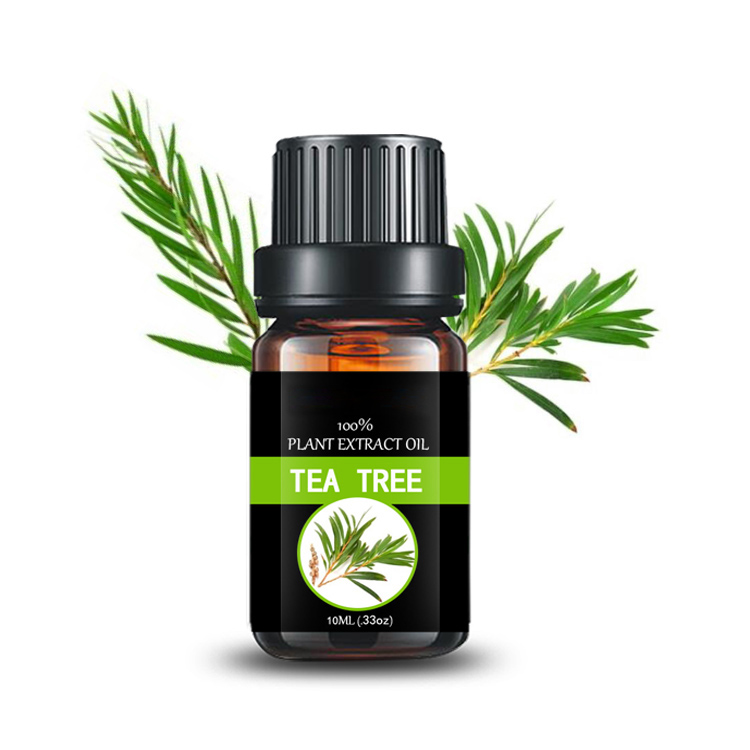
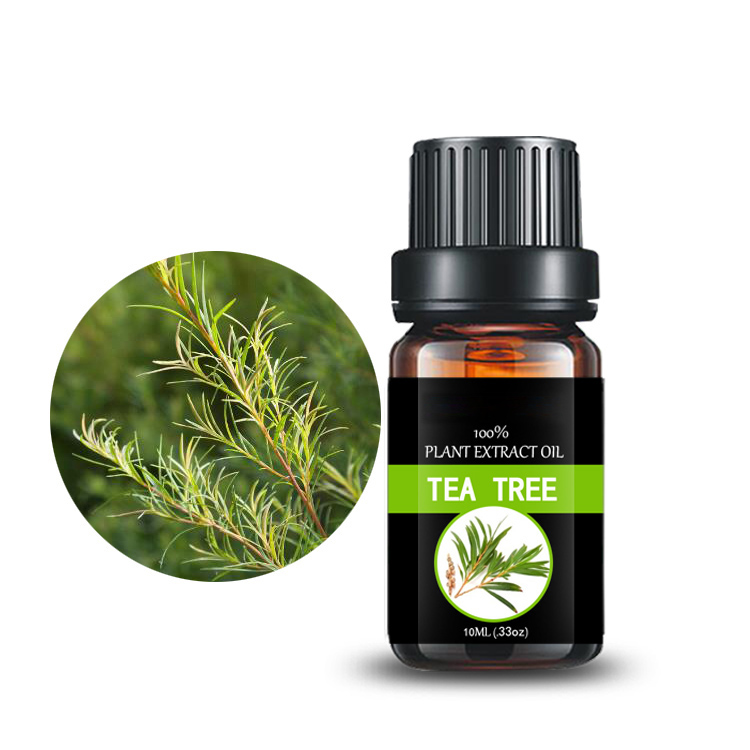
High-Quality Tea tree oil pure essential oil shampoo beauty skin care and soap use cosmetic raw material Quotes, Companies
Product Description
Overview & Quick Details
Place of Origin
Jiangxi, China
Brand Name
ODM
Model Number
CSY
Certification
MSDS, COA
Kind
Liquid
Appearance
Light yellow liquid
Type
Essential Oil, OBM
Raw Material
Leaves
Strength of Aroma
Strong
Odour
With tea tree aroma
Product Detail & Technical Specifications
| No. | Specification Item | Standard Reference |
|---|---|---|
| 1 | Appearance | Light yellow liquid |
| 2 | Odour | With tea tree aroma |
| 3 | Relative Density | 0.885 ~ 0.906 |
| 4 | Refractive Index | 1.475 ~ 1.488 |
| 5 | a-terpinene | 5% ~ 13% |
| 6 | p-cymene | 0.5% ~ 12% |
| 7 | Eucalyptol | 0 ~ 13% |
| 8 | Limonene | 0.5% ~ 4% |
| 9 | γ-terpinene | 10% ~ 28% |
| 10 | Terpinolene | 1.5% ~ 5% |
| 11 | terpineol-4 | ≥ 47% |
| 12 | a-terpineol | 1.5% ~ 8% |
Functions & Benefits
1
Applied to the skin (used topically) for infections such as acne, fungal infections of the nail, lice, scabies, athlete’s foot, and ringworm.
2
Used topically as a local antiseptic for cuts and abrasions, burns, insect bites and stings, boils, vaginal infections, recurrent herpes labialis, toothache, mouth/nose infections, sore throat, and ear infections (such as otitis media and otitis externa).
3
Provides refreshing and rejuvenating effects. Helps accelerate immunity and prevent infection.
4
Delivers exceptional performance in anti-bacterium and deep cleansing applications.
5
Relieves wound inflammation, helps clear chicken pox marks, and relieves herpes discomfort.
6
Broad compatibility: highly suitable for various types of skin formulations.
7
Demonstrates proven efficacy in curing dandruff and soothing itchy scalp.
Applications & Processing
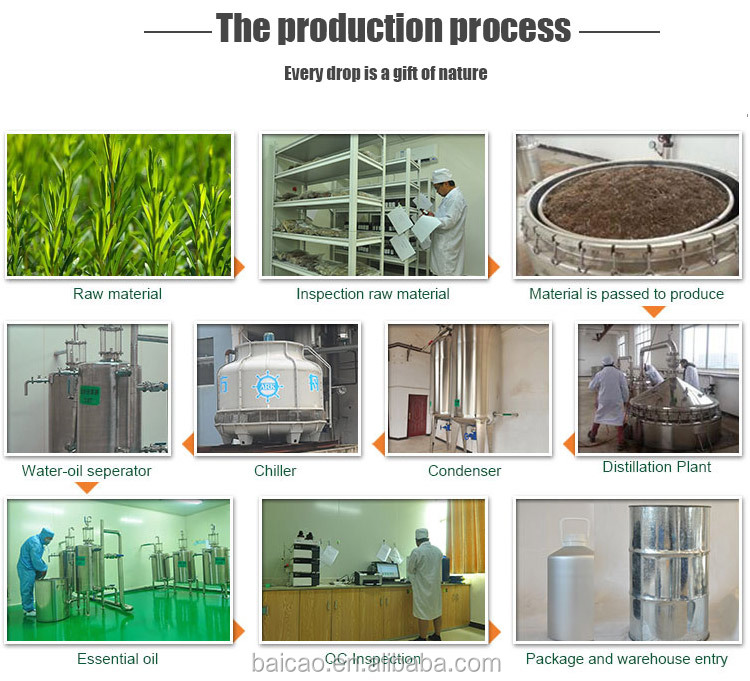
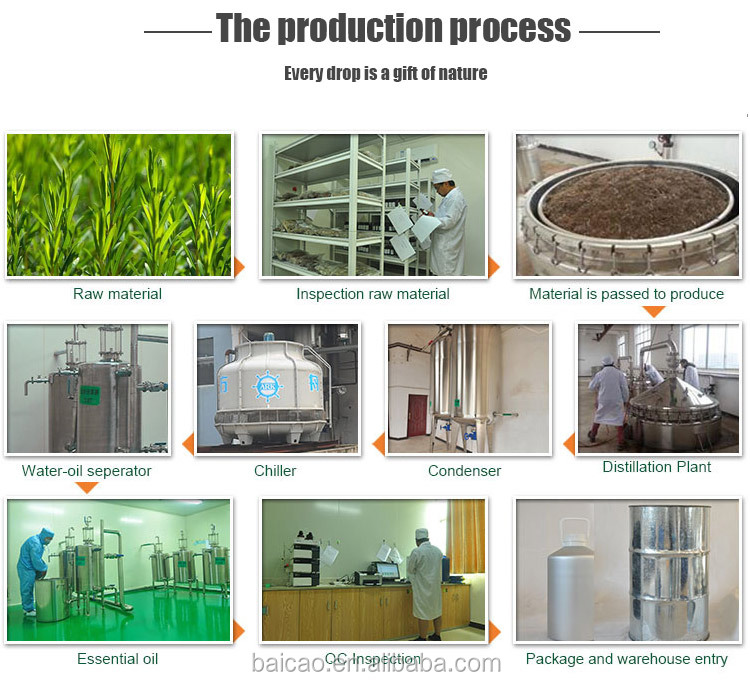
Tea tree oils are made from the leaves of the tea tree. The initial tea tree oil is extracted by steam distillation followed by refined processing.
As natural fragrances, fungicides, and preservatives, tea tree oil is widely applied across the daily chemical, pharmaceutical, and food industries.
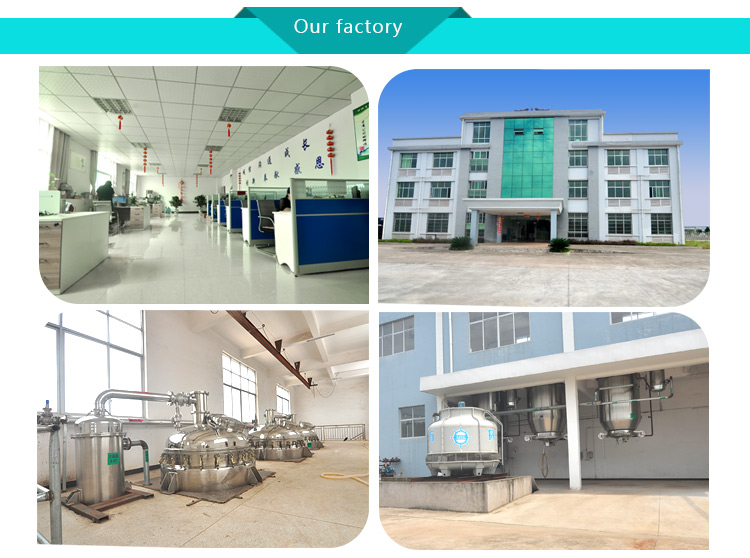
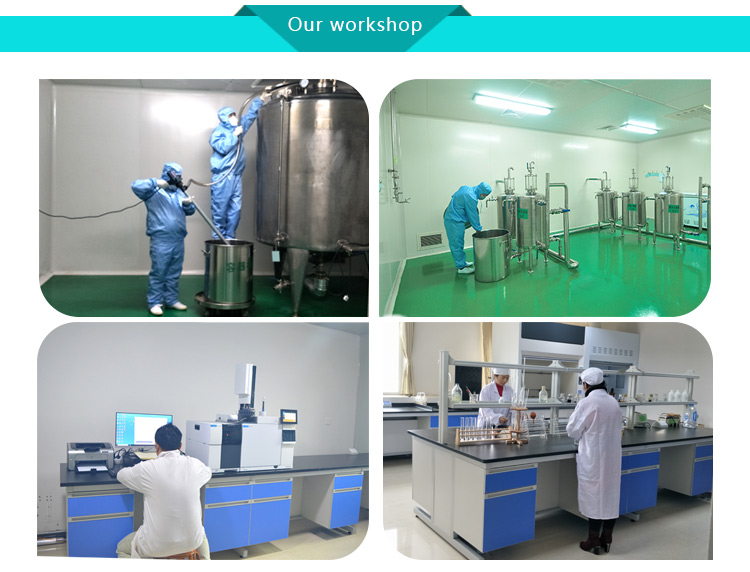
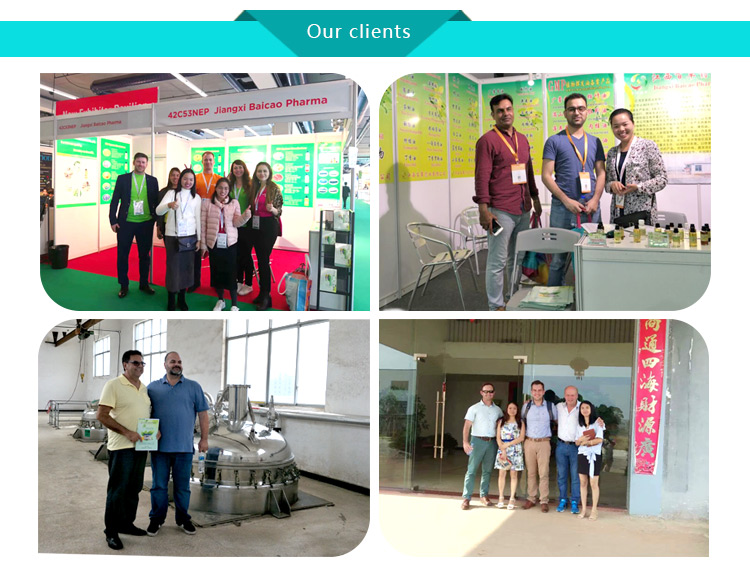
About Our Factory

Frequently Asked Questions (FAQ)
What is the source and extraction process of this tea tree oil?
The essential oil is extracted directly from high-quality tea tree leaves using steam distillation followed by specialized refining processes to ensure purity and potency.
Is the tea tree related to the common plant used for green or black tea?
No. The tea tree should not be confused with the unrelated common beverage tea plant (Camellia sinensis). It was named by eighteenth-century Australian coastal sailors and is known for its distinct botanical properties.
What is the primary active chemical component of this oil?
The main active component is terpineol-4, standardized at ≥47%, complemented by other natural terpenes such as γ-terpinene (10%~28%) and a-terpinene (5%~13%).
In which end products can this tea tree oil raw material be formulated?
It is broadly utilized as a raw material in cosmetics, soaps, anti-dandruff shampoos, topical antiseptic lotions, and various formulas across the chemical, pharmaceutical, and food industries.
What quality certifications and documentation are available?
The material complies with international trade standards and is accompanied by full MSDS (Material Safety Data Sheet) and COA (Certificate of Analysis) quality documentation.