B2B Global Botanical Sourcing · Brazilian Port Direct
OEM Flower Hydrosol Quotes & Exporter for the Brazil Market
Custom steam-distilled floral waters, cosmetic toners, and organic active botanicals manufactured in a certified 28,600 m² GMP facility. High-throughput logistics compliant with ANVISA RDC regulatory standards.
High-Purity OEM Flower Hydrosols Formulated for Brazil
Steam-distilled under vacuum low-temperature conditions to preserve volatile micro-molecules and aromatic active fractions. 100% natural water phase replacement for cosmetic and dermocosmetic brands.
ANVISA Grade Anti-Acne
Melaleuca AlternifoliaTerpinen-4-ol Rich
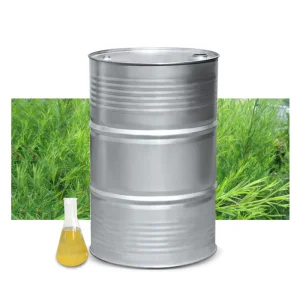
OEM Pure Tea Tree Hydrosol Oil Melaleuca Alternifolia Oil Suppliers (Brazil Cosmetic Grade)
1. Brazilian Industrial Landscape: The Rise of Clean Topical Hydrosols
Brazil holds the fourth largest beauty and personal care market in the world and ranks first across Latin America, generating in excess of USD 30 billion annually. The Brazilian cosmetic industry—anchored by multinational beauty conglomerates and rapidly growing independent indie skincare innovators in São Paulo, Rio de Janeiro, and Curitiba—is navigating a structural transition known as Beleza Limpa (Clean Beauty).
Historically, cosmetic manufacturing across Latin America relied on purified tap water (Aqua/Eau) supplemented by synthetic emulsifiers, stabilizing carbomers, and synthetic fragrance matrices. However, consumer demand throughout South America has pivoted dramatically toward functional, water-reduced, or entirely waterless formulations. Brazilian cosmetic chemists are systematically swapping standard demineralized water phases for bioactive botanical distillates—chiefly flower hydrosols (águas florais / hidrolatos).
The tropical climatic conditions in Brazil, marked by high ultraviolet radiation, humidity along the Atlantic coast, and high urban temperature indices, create distinct dermatological priorities. Brazilian consumers struggle with sebum overproduction, inflammatory acne vulgaris, enlarged pores, and photo-induced sensitivity. In this specific bio-climate, synthetic heavy creams cause follicular occlusion. In contrast, pure flower hydrosols offer lightweight transdermal hydration, bio-compatible anti-inflammatory properties, and low molecular weight cellular nourishment without triggering comedogenesis.
Importing botanical bulk materials into Brazilian customs ports such as Porto de Santos or Paranaguá requires strict adherence to the regulations codified by the Brazilian Health Regulatory Agency (ANVISA - Agência Nacional de Vigilância Sanitária). Specifically, RDC No. 752/2022 sets rigorous biological thresholds for personal hygiene, perfume, and cosmetic products:
Microbiological Limits: Total viable aerobic count (bacteria, yeasts, molds) must strictly not exceed 100 CFU/g or CFU/mL for infant and eye area formulations (Category I) and 1,000 CFU/g or mL for general topical dermocosmetics (Category II). Absence of pathogenic markers—including Pseudomonas aeruginosa, Staphylococcus aureus, Escherichia coli, and Candida albicans—is mandatory.
Heavy Metal Residues: Trace contamination levels must remain below ANVISA strict limits: Lead (Pb) < 20 ppm, Arsenic (As) < 5 ppm, Cadmium (Cd) < 5 ppm, and Mercury (Hg) < 1 ppm.
Origin Traceability: Each commercial shipment requires an exhaustive Certificate of Analysis (COA) specifying the precise botanical binomial nomenclature (e.g., Melaleuca alternifolia, Rosa damascena), CAS number, INCI listing, extraction methodology, and GC-MS (Gas Chromatography-Mass Spectrometry) fingerprinting.
2. Global Supply Chain Dynamics & The Jiangxi Baicao Factory Advantage
While European hydrosol suppliers in Grasse (France) or the Bulgarian Rose Valley provide historic brand heritage, they suffer from prohibitive raw material cost structures, small seasonal distillation batches, and severe supply disruptions caused by European energy overheads. For Brazilian cosmetic brand owners seeking scale, European pricing structures make mass-market retail and national pharmacy chain distribution commercially unviable.
Jiangxi Baicao Pharmaceutical Co., Ltd. resolves this industrial bottleneck. Situated in the botanical powerhouse of the Jinggangshan Economic & Technological Development Area (Ji'an City, Jiangxi Province, China), our state-of-the-art manufacturing campus leverages profound subtropical agriculture and ultra-efficient industrial automation.
Low-Temperature Co-Distillation
Our distillation columns run under sub-atmospheric pressure, allowing steam temperatures to stay below 85°C. This prevents the thermal degradation of heat-sensitive phenylpropanoids, monoterpenols, and delicate micro-aromatics.
Pharmaceutical Sterile Filtration
Each batch undergoes multi-stage filtration ending with 0.22 μm sterile membrane microfiltration before aseptic drum packaging. This ensures complete microbial exclusion without demanding toxic synthetic paraben additives.
Economies of Scale & Cost Parity
Processing hundreds of metric tons of botanical feedstock through 12 parallel processing lines drops manufacturing overheads by 40–55% compared to European competitors, giving Brazilian formulators high margin resilience.
To satisfy procurement qualification audits by Brazilian R&D divisions (including formulation labs in Barueri and Campinas), Baicao operates strictly defined technical standards:
Botanical Derivative
INCI Name
Primary Volatile Markers
Recommended Brazilian Application
ANVISA Quality Status
Tea Tree Hydrosol
Melaleuca Alternifolia Leaf Water
Terpinen-4-ol, 1,8-Cineole, gamma-Terpinene
Oily scalp shampoos, Anti-acne facial mists
✓ Approved RDC 752
Damask Rose Floral Water
Rosa Damascena Flower Water
Phenylethyl alcohol, Geraniol, Citronellol
Anti-aging toners, Luxury setting mist
✓ Approved RDC 752
Lavender Hydrosol
Lavandula Angustifolia Flower Water
Linalool, Linalyl acetate, Lavandulol
Post-sun sunburn sprays, Calming micellar water
✓ Approved RDC 752
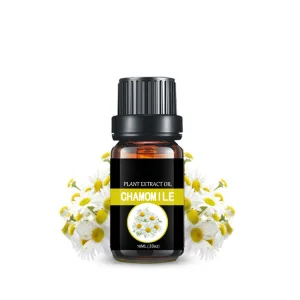
Roman Chamomile Hydrosol
Chamomilla Recutita Flower Water
Bisabolol, Chamazulene traces, Isobutyl angelate
Sensitive dermocosmetics, Baby wipes fluid
✓ Approved RDC 752
Jasmine Floral Water
Jasminum Sambac Flower Water
Benzyl acetate, Benzyl alcohol, Linalool
Fine perfumed body splash, Hair radiance spray
✓ Approved RDC 752
3. Localized Formulation Scenarios for the Brazilian Market
Successfully developing cosmetic formulations for Brazil requires deep alignment with domestic consumer habits and hair/skin diversity. Below are the core high-growth categories where Baicao's OEM flower hydrosols deliver distinct formulation advantages:
A. The "Cabelos Cacheados e Crespos" Hair Care Revolution
Over 50% of the Brazilian population has wavy, curly, or coily hair (Type 3 and Type 4 hair textures). The curl care segment in Brazil is an economic juggernaut. Curly hair strands are inherently prone to cuticle lift and moisture depletion due to structural bends in the hair shaft. Traditional alcohol-based refreshers dehydrate curls, whereas pure water sprays cause immediate frizzy expansion without definition.
Formulating curl refreshing sprays (Spray Revitalizador de Cachos) utilizing a base of OEM Chamomile and Rose Hydrosol infuses botanical lipids and acidic pH (pH 4.5–5.5) that smooth the hair cuticle layer, impart deep shine, and preserve elasticity. When combined with light carrier oils such as cold-pressed coconut oil, it forms the ideal, non-sticky daily restyling emulsion.
B. Post-Sun & Urban Anti-Pollution Thermal Mists (Brumas Faciais)
With extensive coastal leisure culture in cities like Rio, Salvador, and Recife, post-sun erythema (sunburn) and oxidative cellular stress are widespread. Brazilian beauty routines increasingly integrate Brumas Calmantes (soothing thermal mists) kept in domestic refrigerators for instant application. Formulations combining 60% Lavender Hydrosol, 30% Chamomile Hydrosol, and 10% botanical humectants provide rapid relief from UV-induced cutaneous inflammation without relying on petroleum jelly derivatives.
C. Mattifying Anti-Acne Clean Cleansers for Humid Climates
In metropolitan centers like São Paulo, ambient humidity combined with particulate pollution (PM 2.5) accelerates sebum oxidation, generating micro-comedones and cystic breakout cycles. Brazilian dermatologists widely recommend oil-free micellar waters and exfoliating toners. Replacing conventional distilled water with Baicao OEM Tea Tree Hydrosol delivers natural antimicrobial action against Cutibacterium acnes while soothing irritated epidermal barriers without stripping essential skin lipids.
4. Quality Control, Analytical Protocols & Ocean Logistics to Brazil
Flower hydrosols present a unique chemical challenge: because they are water-based solutions carrying trace active volatile organic compounds (VOCs) and aromatic alcohols, their microbial susceptibility is substantially higher than anhydrous essential oils.
Quality Control Rigor in Jiangxi Baicao Testing Laboratories
Our on-site 1,200 m² analytical testing facility features dedicated Agilent GC-MS (Gas Chromatography-Mass Spectrometry), Shimadzu HPLC (High-Performance Liquid Chromatography), and heavy-metal ICP-MS systems. Every batch exported to Latin America undergoes comprehensive analytical profiling:
Quantitative VOC Fraction Verification: Ensuring volatile phytochemical concentration meets predetermined specification ranges (typically 0.05% to 0.25% depending on botanical species).
Preservative Optimization: We support pure unpreserved hydrosols (shipped under nitrogen blanket in food-grade aseptic IBC containers or fluorinated HDPE drums) as well as certified natural preservation blends (e.g., Sodium Benzoate + Potassium Sorbate, or 100% plant-based Pentylene Glycol + Glyceryl Caprylate) acceptable under European COSMOS and Brazilian ANVISA guidelines.
Thermal Stability Cycling: All batches intended for transatlantic shipment are subjected to accelerated freeze-thaw and 45°C oven stability stress assays to guarantee product integrity through the tropical equatorial transit corridor.
Logistics, Incoterms & Customs Clearance at Brazilian Seaports
Shipping liquid bulk botanical raw materials from Jiangxi to Brazilian ports (Santos - SP, Itajaí - SC, Rio Grande - RS) requires sophisticated logistics planning:
Baicao's export department handles complete documentation packs: Bill of Lading (B/L), Proforma & Commercial Invoice, Detailed Packing List, Certificate of Origin (Form A or CO), Batch-Specific COA signed by our chief QA chemist, GHS-compliant Material Safety Data Sheet (MSDS) in both English and Portuguese, and ANVISA Formulation Statement affidavits confirming non-animal testing and absence of restricted substances. Typical oceanic transit times range between 32 to 38 days from Ningbo or Shenzhen ports to Santos.
Botanical Ecosystem & Formulation Synergy
Associated Pure Essential Oils & Cosmetic Ingredients for Brazilian Formulators
Complete botanical supply chains to compound your hydrosols with high-potency active plant oils, natural fragrance enhancers, and cold-pressed emollients.
Luxury Perfumery
Jasminum GrandiflorumPerfume Grade
Custom Natural Jasmine Fragrance Oil for Perfume Making Wholesale Jasmine Essential Oil (Brazil Formulations)
Frequently Asked Questions: Hydrosol Export to Brazil
Essential guidance on ANVISA registration, microbiology preservation, lead times, and custom private labeling services.
How does Baicao ensure hydrosols meet ANVISA microbiological limits?
Our flower hydrosols are distilled inside sealed stainless-steel sanitary circuits, cooled via high-efficiency heat exchangers, and processed through multi-tier membrane microfiltration (ending at 0.22 microns) to remove any microscopic spores or vegetative bacterial cells. We conduct 14-day incubator challenge tests on every batch prior to packaging into sterile food-grade fluorinated drums under ISO 8 cleanroom air curtains.
Can you provide pure preservative-free hydrosols or customized preservation?
Yes. We offer both configurations. For industrial cosmetic factories equipped with sterile cleanrooms, we supply 100% pure distillate under nitrogen headspaces. For indie brands requiring prolonged ambient shelf life, we blend approved mild cosmetic preservation systems such as 0.1% Sodium Benzoate + 0.05% Potassium Sorbate, or natural plant-based non-paraben booster systems fully compliant with Brazilian RDC 752.
What documentation do you provide for customs clearance at Porto de Santos?
With every shipment, our export desk provides complete documentation: commercial invoice, detailed packing list, ocean Bill of Lading, Certificate of Origin, batch-specific Certificate of Analysis (COA) specifying botanical origin and GC-MS fingerprints, technical data sheets (TDS), and Portuguese-translated 16-section Safety Data Sheets (FISPQ / MSDS).
What is the typical Minimum Order Quantity (MOQ) and packaging format?
For bulk raw materials, our standard MOQ is 25 kg in high-density polyethylene (HDPE) drums, 200 kg steel-lined industrial drums, or 1,000 kg Intermediate Bulk Containers (IBCs). For OEM private label finished products (such as boxed 100ml facial spray bottles with mist atomizers), our MOQ starts at 1,000 units with complete Brazilian Portuguese screen printing and custom carton design.
How do hydrosols perform in replacement of water in cosmetic emulsions?
Flower hydrosols can completely replace deionized water (Aqua) at 10% to 100% of the formulation aqueous phase without destabilizing standard non-ionic or anionic emulsifier structures. They confer a natural faint botanical fragrance, reducing or eliminating the need for synthetic synthetic perfumes (Parfum) which are frequent triggers of contact dermatitis in sensitive skin.
What is the shelf life of Jiangxi Baicao flower hydrosols?
When kept sealed in original unopened UV-resistant packaging at 10°C to 22°C away from direct sunlight, our pure sterile-filtered hydrosols carry an official shelf life of 24 months from distillation date. Retained archive samples from each lot are maintained in our Jiangxi climate-controlled sample depository for 36 months to ensure complete traceability.