High-Purity Natural Botanical Extracts & Essential Oils
Premium therapeutic & cosmetic botanical extracts manufactured under stringent GMP facilities to complement your clove oil skin applications.
Macro Industry Solutions: Clove Oil in Modern Dermatological Formulations
Deciphering the Biochemical Action of Eugenol in Dermal Barrier Repair, Anti-Inflammatory Cascades, and Antimicrobial Preservation Systems.
Mechanistic Dermal Therapeutics
Clove oil derived from the buds and leaves of Syzygium aromaticum represents an indispensable botanical active in dermatology. Eugenol (4-allyl-2-methoxyphenol) serves as the primary bioactive constituent, offering powerful lipophilic cellular membrane permeation. By neutralizing free-radical cascades and inhibiting cyclooxygenase-2 (COX-2) enzymes, it attenuates reactive inflammatory processes in conditions such as severe acne vulgaris, chronic eczema, and microbial-induced dermatosis.
- Inhibition of lipid peroxidation in epidermal membranes
- Selective suppression of cutaneous Propionibacterium acnes
- Natural local analgesic action via transient receptor potential vanilloid 1 (TRPV1)
Clean-Label Natural Preservation
Global formulators increasingly implement clove bud oil as a secondary natural preservation booster. The robust antimicrobial spectrum exhibited by standardized eugenol profiles delivers bacteriostatic and fungicidal protection against Staphylococcus epidermidis, Candida albicans, and Aspergillus brasiliensis. This biocidal efficiency allows cosmetic cosmetic engineers to significantly decrease reliance on controversial synthetic parabens and phenoxyethanol in organic dermatological matrices.
- Synergistic preservative efficacy alongside organic acids
- Zero synthetic petrochemical footprint
- Broad pH stability across skincare lotions and emulsions
Formulation Safety & Dilution Engineering
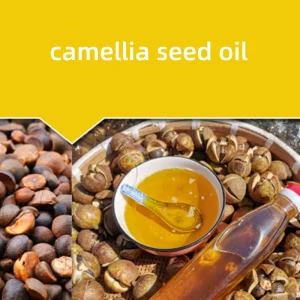
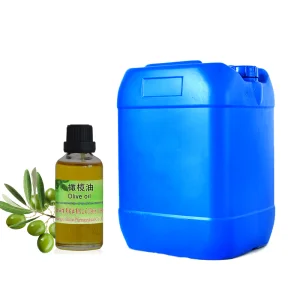
Because pure clove oil constitutes an intense dermal sensitizer when undiluted, famous clove oil exporters provide industrial clients with technical fractionation and encapsulation solutions. Through nano-emulsion, beta-cyclodextrin molecular inclusion, and precise co-blending with hypoallergenic carrier matrices such as virgin olive oil or cold-pressed camellia seed oil, modern cosmetics brands achieve maximum antioxidant performance without triggering erythema or contact dermatitis.
- Standardized maximum dermal limits per IFRA guidelines
- Advanced cold-process surfactant microencapsulation
- Non-comedogenic lipophilic delivery mechanisms
Global Commercial & Industrial Status: The Supply Chain Landscape
Analysis of Global Upstream Cultivation, Price Volatility, and Strategic Procurement Channels in High-Eugenol Essential Oils.
Geographic Upstream Aggregation
The global trade of clove oil centers primarily around agricultural yields in Madagascar, Indonesia, and East Africa, supplemented by precision refinement hubs in China. Industrial processors distinguish strictly between clove bud oil (highest therapeutic quality, high eugenol acetate content) and clove leaf/stem oil (primarily utilized for mass chemical eugenol isolation). Famous exporters mitigate climatic harvest volatility through multi-regional forward contracts and synchronized reserve buffer warehouses.
- Stratified sourcing: Bud Oil (Pharma/Skin) vs. Stem Oil (Industrial)
- Multi-geography procurement networks buffering weather disruptions
- Origin validation utilizing isotope ratio mass spectrometry (IRMS)
Adulteration Detection & Analytical QC
Economic adulteration remains the most prevalent commercial threat in commercial essential oil distribution. Low-integrity suppliers frequently spike unrefined oils with synthetic petrochemical-derived eugenol or diluent phthalates to artificially inflate margins. Elite exporters maintain strict zero-tolerance protocols using Gas Chromatography-Mass Spectrometry (GC-MS) coupled with chiral column evaluations to confirm botanical genuineness, enantiomeric purity, and total absence of persistent pesticide residues.
- GC-FID and GC-MS profiling of chiral bioactive markers
- Heavy metal quantification via ICP-MS (<1 ppm guarantees)
- Comprehensive absence screening for pesticide multi-residues
B2B Bulk Export Architecture
Standardized packaging for intercontinental transit demands uncompromising inert barrier engineering. Export packaging is executed in nitrogen-purged food/pharma grade stainless steel drums (200L), fluorinated HDPE carboys, or epoxy-phenolic lined drums to completely isolate volatile monoterpenes from atmospheric oxygen and photolytic deterioration. This ensures analytical specifications at container receipt precisely match the pre-shipment Certificate of Analysis (COA).
- Oxygen-depleted, food-grade drum nitrogen blanket filling
- UN-certified dangerous goods packaging compliance
- Temperature-monitored marine and air logistics consolidation
Localized Support & Global Compliance Assurance
Ensuring Frictionless Market Entry Across Major Regulatory Jurisdictions Including EU REACH, US FDA, and International Cosmetic Directives.
European Union (REACH & CPNP)
Importation into the European Single Market requires adherence to strict chemical registration frameworks and the EU Cosmetic Regulation (EC) No 1223/2009. Famous exporters furnish clients with exhaustive Cosmetic Product Safety Reports (CPSR), complete IFRA 51st Amendment certificates of conformity, full allergenic breakdown declarations (identifying eugenol, isoeugenol, and caryophyllene thresholds), and validated REACH registrations.
- IFRA 51st Amendment Certificate verification
- 26/56 Regulated Fragrance Allergen breakdown dossiers
- Substances of Very High Concern (SVHC) compliance certificates
United States FDA & MoCRA Governance
Navigating the modernization of Cosmetics Regulation Act (MoCRA) mandates full traceability, facility registration, and safety substantiation for active ingredients. Quality-driven exporters provide master manufacturing files, validated cGMP facility registration proof, Safety Data Sheets (SDS in 16-section GHS format), Proposition 65 clearance statements, and complete Toxicological Risk Assessments for skin-contact matrices.
- MoCRA facility registration & dossier harmonization
- OSHA & GHS-compliant 16-section Safety Data Sheets (SDS)
- California Proposition 65 and Cruelty-Free documentation
Halal, Kosher & Clean Label Proof
With cosmetic consumer preferences pivoting rapidly toward ethical stewardship and multi-faith compliance, our production infrastructure delivers globally recognized Kosher and Halal certifications. Extraction protocols are executed purely via high-pressure saturated steam without alcohol contact, artificial processing aids, or animal-derived cross-contamination, ensuring absolute compliance with premium clean-beauty standards.
- Full Halal and Kosher certified production cycles
- ISO 22716 / cGMP audited manufacturing operations
- Non-GMO project verified & vegan compliance statements
Commercial Application Scenarios & Formulation Architectures
Proven Industrial Blueprints for Integrating Therapeutic Clove Fractions Across Modern Skincare and Dermatological Product Portfolios.
Purifying Acne & Blemish Treatments
Incorporated at tightly controlled micro-doses (0.08% to 0.25%), clove oil functions as an active clearing constituent within salicylic acid serums and zinc-PCA clarifying creams. Eugenol rapidly degrades the biofilm matrix built by Cutibacterium acnes, reducing inflammation surrounding microcomedones without provoking the widespread desquamation associated with synthetic benzoyl peroxide treatments.
- Accelerates resolution of active cystic comedones
- Inhibits cellular hyperkeratinization in follicle funnels
- Optimized when paired with soothing carrier lipids like Camellia Seed Oil
Sore Muscle & Deep-Tissue Body Oils
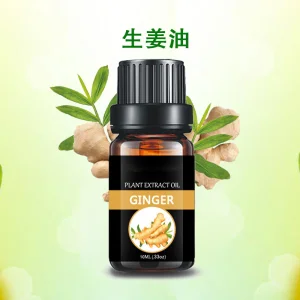
Leveraging its traditional rubefacient and analgesic profile, professional massage oils, athletic liniments, and post-workout recovery balms rely heavily on clove bud distillates (typically dosed at 0.5% to 1.2%). In combination with warming ginger essential oil and sweet almond oil, eugenol increases localized microcirculation, bringing soothing relief to stressed neuromuscular tissue.
- Gentle thermal stimulation accelerating metabolic waste removal
- Relief of delayed-onset muscle soreness (DOMS)
- Non-greasy penetration through stratum corneum barriers
Dermal Scalp Tonics & Anti-Dandruff Lotions
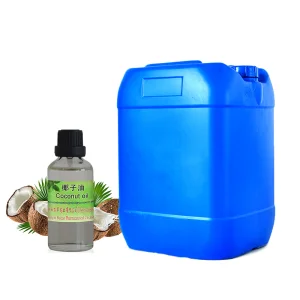
Malassezia yeast proliferation on human scalp lipids is a primary trigger for severe dandruff, seborrheic dermatitis, and folicular inflammation. Clove oil's proven antifungal action terminates fungal hyphae development. Formulated in clarifying scalp serums, rinse-off botanical shampoos, or hair-growth stimulants alongside coconut carrier oils, it balances sebum excretion and purifies follicular roots.
- Eliminates persistent Malassezia yeast colonization
- Stimulates hair follicle capillary beds for root vitality
- Soothes intense pruritus (scalp itching) instantaneously
Technological Roadmap & Next-Generation Extraction Horizons
Pioneering Supercritical CO2 Fractionation, Green Ultrasonic Extractions, and Smart Lipid Nanocarriers for 2025 and Beyond.
Supercritical Fluid Extraction (SFE-CO2)
Traditional atmospheric steam distillation involves sustained thermal stress that can induce partial thermal degradation of sensitive eugenyl acetate and sesquiterpenes. Leading-edge manufacturing pathways utilize Supercritical Fluid Extraction using recycling CO2 at modest temperatures (35–45°C). This solvent-free green process delivers a pristinely balanced profile that mimics the exact unadulterated essence of the virgin botanical flower bud.
- Zero thermal degradation of delicate ester compounds
- Completely free from organic hydrocarbon solvent residues
- Reduced carbon intensity and environmental operational footprint
Smart Nano-Lipid Encapsulation (NLC)
To overcome volatility, photolytic breakdown, and irritation hazards, advanced export processors engineer Nanostructured Lipid Carriers (NLCs) and liposomal systems. By embedding eugenol inside structured triglyceride-wax bilayers, skin penetration is accelerated while dermal exposure is smoothly time-released over 12 hours, transforming aggressive essential oil compounds into hyper-gentle clinical actives.
- Sustained time-release kinetics mitigating irritation potential
- Immunity against light-induced photo-oxidation and color browning
- Enhanced deeper penetration through stratum basale tissue
Continuous Flow AI Fractional Distillation
Modern production facilities run smart AI-guided fractional distillation towers. By constantly evaluating thermal profiles, condenser reflux variables, and vapor velocities in real-time, computer algorithms fractionate distinct chemical fractions (isolating pharmaceutical eugenol from beta-caryophyllene terpene fractions) with 99.5% accuracy, ensuring flawless year-over-year batch uniformity.
- Ultra-narrow molecular cut fractionation capabilities
- Algorithmic elimination of heavy and bitter tar notes
- Standardized analytical performance for global pharmaceutical clients
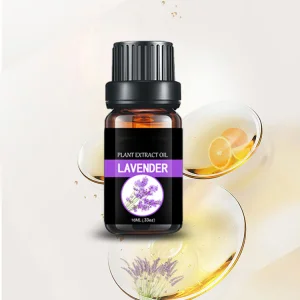
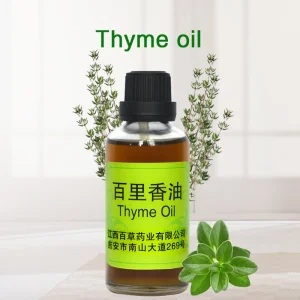
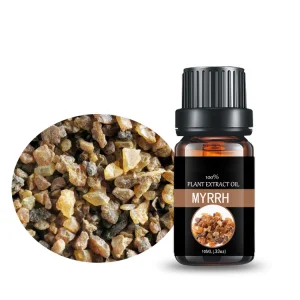
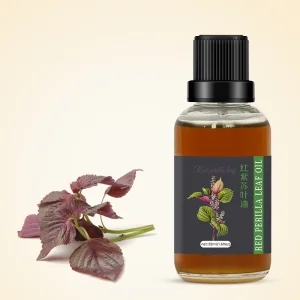
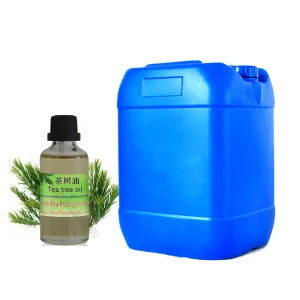
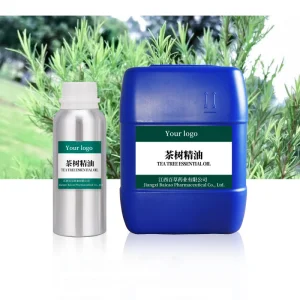
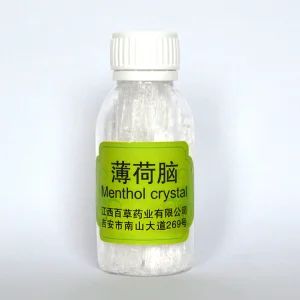
Featured Botanical Derivatives & Synergistic Essential Oils
Scale your skincare operations with certified, factory-direct carrier oils, aromatic fractions, and botanical isolates.
Frequently Asked Questions: Industrial Procurement of Clove Oil
Clear, Authoritative Guidance for Raw Material Buyers, Cosmetic Formulators, and Import Compliance Officers.