Precision-Distilled Essential Oils & Botanical Extracts
Batch-verified ingredients for cosmeceutical face serums, therapeutic skincare formulations, and transdermal applications manufactured in our GMP-compliant Chinese facility.
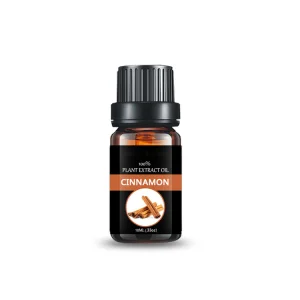
The Science of Cinnamon Oil in Facial Formulations: Bioactivity, Dermal Limits & Safety Control
Understanding the critical pharmacological divergence between Cinnamomum cassia and Cinnamomum verum, trans-cinnamaldehyde reactivity, and IFRA-mandated cutaneous thresholds.
Active Molecular Fractions: Cinnamaldehyde vs. Eugenol
The cosmetic efficacy of cinnamon oil for facial applications depends strictly on botanical origin and chemotype selection. Cinnamon bark oil derived from Cinnamomum cassia contains between 75% to 85% (E)-cinnamaldehyde, which exhibits extreme antibacterial activity against Cutibacterium acnes and Staphylococcus epidermidis.
Conversely, cinnamon leaf oil is dominated by eugenol (70%-90%), which offers phenolic radical-scavenging properties but different olfactory profiles. In facial formulations, precise fractioning is required to prevent contact dermatitis while harnessing potent type-I collagen stimulation via dermal fibroblasts.
- Trans-Cinnamaldehyde purity monitored by chiral GC-MS
- Eugenol content assayed via Agilent capillary columns
- Endotoxin and heavy metal screening per EP 10.0
IFRA 51st Amendment Compliance & Dermal Sensitization
Because trans-cinnamaldehyde is classified as a potent skin sensitizer capable of covalent haptenation with epidermal proteins, cosmetic formulators must comply rigorously with the International Fragrance Association (IFRA) 51st Amendment standards for leave-on face applications.
For Category 5B (Facial Moisturizers, Serums, and Spot Treatments), the maximum permissible concentration of trans-cinnamaldehyde is limited to 0.05% (500 ppm). Baicao Pharmaceutical's technical division provides standardized micro-dilution formulas and liposomal nano-encapsulations that maintain therapeutic bioavailability without exceeding dermal thresholds.
- Quantitative Risk Assessment (QRA2) safety dossiers
- Coumarin thresholds restricted under EC No 1223/2009
- Batch-certified certificates of analysis (COA) per drum
Micro-Circulation & Cellular Mechanism in Facial Tissues
Topical facial application of properly formulated cinnamon bark oil stimulates the transient receptor potential ankyrin 1 (TRPA1) channel in sensory neurons and keratinocytes. This triggers localized nitric oxide release, vasodilation, and micro-capillary perfusion without damaging the stratum corneum.
This localized hyperemic effect produces natural lip-plumping benefits, oxygenates ischemic dermis, and accelerates the lymphatic clearance of inflammatory debris in chronic acneic skin. Furthermore, cinnamaldehyde demonstrates potent suppression of matrix metalloproteinases (MMP-1 and MMP-3), mitigating dermal photo-aging.
- TRPA1 channel mediated micro-vascular vasodilation
- Inhibition of intracellular oxidative stress (ROS)
- Synergistic stabilization with lipid carrier oils
| Analytical Parameter | Cinnamon Bark Oil (Cassia Type) | Cinnamon Bark Oil (Verum/Ceylon) | Analytical Instrument | Acceptance Range |
|---|---|---|---|---|
| Trans-Cinnamaldehyde | 75.0% – 85.0% | 65.0% – 75.0% | GC-FID / GC-MS | Compliant with Ph. Eur. / USP |
| Eugenol Content | < 2.5% | 4.0% – 10.0% | GC-MS Capillary | ISO 3524:2003 Standard |
| Coumarin Concentration | 1.5% – 3.8% | < 0.5% (Traces) | HPLC-DAD (Reverse Phase) | Cosmetic Regulation 1223/2009 |
| Refractive Index (20°C) | 1.600 – 1.614 | 1.573 – 1.591 | Automatic Refractometer | ±0.002 calibration limit |
| Optical Rotation (20°C) | -1° to +1° | -2° to 0° | Polarimeter (Sodium D-line) | Pure botanical baseline |
| Synthetic Cinnamaldehyde | Negative (Not Detected) | Negative (Not Detected) | Chiral GC & Isotope Mass Spec | 100% Native Plant Origin |
Critical Formulator Note on Facial Concentration Caps:
Pure, undiluted Cinnamon Oil must NEVER be applied directly to human facial skin. Pure raw oil causes acute chemical burns, severe erythema, and immune sensitization. Formulations must always utilize standardized predilutions in squalane, jojoba, or caprylic/capric triglycerides at concentrations not exceeding 0.05% active trans-cinnamaldehyde for leave-on face applications, or encapsulated within submicron cyclodextrin carriers for spot treatments.
China Factory Advantage: Why Jiangxi Baicao Dominates Global Essential Oil Refining
From raw feedstock harvest along the southern Chinese evergreen forest belt to automated multi-stage rectification, we bypass middlemen to ensure unmatched price competitiveness and chemical traceability.
Direct Agro-Forestry Feedstock Integration
Jiangxi Baicao Pharmaceutical is strategically located in the Jinggangshan Economic & Technological Development Area, Ji'an City, Jiangxi Province. We maintain direct agricultural cooperatives in the primary Cinnamomum cassia cultivation zones of South China (Guangxi and Jiangxi), where subtropical high-humidity climates yield the densest cortical oil cavities.
By eliminating multiple tiers of regional brokers, raw botanical bark is dried and chipped within 48 hours of harvest, preserving volatile monoterpenes and preventing the autoxidation of aldehydes into irritating cinnamic acid prior to distillation.
Fractional Vacuum Rectification Columns
Traditional open-pot steam distillation often scorches botanical matter, resulting in high levels of charred polycyclic aromatic hydrocarbons (PAHs) and heavy coumarins. Jiangxi Baicao employs high-vacuum, low-temperature stainless steel fractional distillation columns.
This precision engineering enables us to isolate specific volatile boiling points, tailoring custom batches for cosmetic clients that suppress natural coumarin content down to safe trace levels while enriching (E)-cinnamaldehyde or specific sesquiterpene fractions according to buyer specifications.
Ex-Factory Pricing & Scalable Volume Buffer
With 6 dedicated essential oil distillation lines operating continuously, Baicao offers unmatched B2B quote stability. Global fragrance and skincare houses frequently face price spikes due to speculative broker hoarding in Western distribution hubs.
We provide fixed-price annual supply agreements (12 to 24-month rolling contracts) with bonded warehouse storage options, direct FOB Guangzhou/Shenzhen terms, or fully landed CIF/DDP air/sea freight to Rotterdam, Los Angeles, Incheon, and Tokyo.
Evolving Market Trends: Cinnamon Actives in Clean Beauty & Anti-Acne Biologics
From synthetic preservative replacement to bio-fermented carrier synergies, investigate how international cosmetic chemistry is transforming cinnamon oil into high-potency cosmeceuticals.
Clean-Label Self-Preserving Cosmetics
Brands are aggressively phasing out parabens, phenoxyethanol, and formaldehyde-releasers. Cinnamaldehyde provides multi-target bacterial membrane lysis at sub-0.05% concentrations, functioning as a potent natural booster for hurdle technology in water-in-oil emulsions.
Liposomal & CD Nano-Encapsulation
To eliminate sensory burn while preserving biological efficacy, modern facial laboratories formulate cinnamon oil encapsulated inside hydroxypropyl-beta-cyclodextrins (HPBCD) or lipid nanoparticles, allowing slow-release targeting into the pilosebaceous follicle.
Non-Invasive Lip Plumping Systems
With hyaluronic acid injections facing consumer resistance due to procedural invasiveness, clean beauty brands leverage micro-dosed (0.01%-0.03%) cinnamon bark oil in lip glosses and peptide balms to achieve immediate, natural labial swelling and flushed coloration.
Sebum Regulating Clarifying Serums
Emerging research confirms that cinnamon bark oil down-regulates 5-alpha reductase activity within facial sebocytes. High-end acne care brands combine cinnamon fractions with zinc PCA and niacinamide to clear pores and banish cystic lesions without antibiotic resistance.
Localized Formulation Protocols & Regulatory Compliance Across Key Markets
How leading beauty conglomerates navigate North American (FDA MoCRA), European (SCCS / REACH), and Asia-Pacific (NMPA / PMDA) regulatory frameworks.
North America: FDA MoCRA & Safe Acne Solutions
Under the Modernization of Cosmetics Regulation Act (MoCRA), companies marketing in the United States must establish documented safety substantiation for every ingredient fraction. In OTC anti-acne pads and balancing facial serums, US formulators utilize Baicao’s standardized Cinnamon Bark Oil dissolved in squalane.
Because the US market demands rapid sensory feedback, cinnamon extracts are paired with soothing bisabolol and centella asiatica to prevent erythema complaints while fulfilling consumer demand for botanical active transparency.
European Union: SCCS, REACH & 26 Allergen Mandate
The European market possesses the most stringent botanical compliance environment under Regulation (EC) No 1223/2009. Cinnamal, eugenol, and linalool must be clearly itemized on cosmetic packaging if they exceed 0.001% in leave-on facial products.
Baicao Pharmaceutical provides comprehensive chromatographic batch breakdown profiles, ensuring EU safety assessors receive immediate quantitative data on coumarin, benzyl benzoate, and safrole limits, expediting CPNP notification without multi-month regulatory bottlenecks.
Asia-Pacific: K-Beauty, J-Beauty & China CSAR Filing
In East Asia, facial beauty focuses on barrier integrity and skin brightening. In South Korea and Japan, cinnamon extract is valued for elevating glutathione synthesis and suppressing melanin transfer within hyperpigmented melanocytes.
For brands entering China, Baicao delivers pre-registered National Medical Products Administration (NMPA) ingredient safety submission codes. This allows multinational cosmetic manufacturers to submit safety evaluations directly into the CSAR portal without re-testing active raw materials.
Macro Solutions: Solving Adulteration, Oxidation & Global Supply Chain Vulnerabilities
Protecting procurement teams against fossil-derived synthetic cinnamaldehyde, volatile degradation during trans-oceanic freight, and unverified batch variability.
Eliminating Petrochemical Synthetic Spiking
Due to the substantial cost differential between natural botanical bark distillation and petrochemical synthesis, an estimated 40% of commercial cinnamon oils globally are adulterated with synthetic cinnamaldehyde derived from benzaldehyde and acetaldehyde.
Jiangxi Baicao utilizes in-house Carbon-14 (14C) Radiocarbon Isotope Analysis and Chiral Enantioselective Gas Chromatography to verify the natural biogenic origin of every drum, certifying absolute authenticity and 100% natural derivation on our signed COAs.
Nitrogen Purging & Anti-Oxidation Sealing
Trans-cinnamaldehyde oxidizes rapidly upon exposure to atmospheric oxygen and heat, forming crystalline cinnamic acid, which triggers dermal irritation and lowers antibacterial active potency. This chemical degradation often occurs inside unconditioned ocean containers.
Every export order from Baicao is packaged in fluorinated HDPE, epoxy-phenolic lined aluminum canisters, or galvanized steel drums subjected to double-vacuum nitrogen blanketing (headspace N2 purge) to preserve zero-peroxide levels throughout global maritime transit.
Turnkey OEM / ODM & Private Label Support
Beyond drum-scale industrial supply, Baicao assists beauty brands in launching retail-ready serums, facial oils, and aromatherapeutic gift sets. Our GMP cleanroom facilities operate high-speed automated bottling lines for 5ml, 10ml, 30ml, and 100ml amber dropper bottles.
We provide full primary packaging, tamper-evident childproof sealing, multi-lingual screen printing, regulatory barcoding, and custom luxury retail packaging assembled directly on-site to reduce downstream production overhead.
Ready to Secure Factory-Direct Cinnamon Oil Quotes?
Connect with Baicao’s chemical engineering and export division. Receive complete batch chromatograms, IFRA 51st certificates, and volume-discounted FOB/CIF pricing within 24 hours.
Request Official B2B Quote & SamplesRapid Supply Specifications:
- • Standard Sample Lead Time: 2-3 Business Days
- • Commercial Batch Capacity: 50kg to 20,000kg/month
- • Incoterms: EXW, FOB Ningbo/Shenzhen, CIF, DDP
- • Compliance: GMP, ISO 9001, FDA Facility Registered
Procurement Specifications: Standardized Industrial Packaging & Shipping Metrics
Configured for bulk cosmeceutical formulation labs, fragrance compounding houses, and private label distributors worldwide.
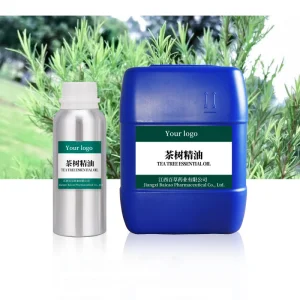
1kg / 5kg Trial & Pilot Jerricans
Fluorinated high-density polyethylene (F-HDPE) and pure aluminum bottles engineered specifically to resist organic solvent attack from high concentrations of active cinnamaldehyde during pilot formulation trials.
25kg UN-Rated Heavy Drums
Reinforced HDPE containers with nitrogen-purged hermetic seals, UN certified for the maritime and air transport of Class 9 regulated botanical aromatic liquids, featuring leak-proof tamper-evident screw lids.
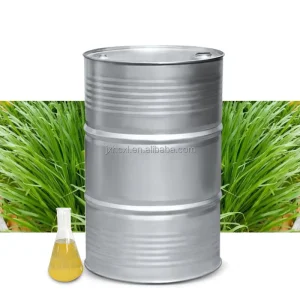
180kg Galvanized Steel Barrels
Industrial large-scale containers with inner epoxy-phenolic chemical coatings to prevent trace metal leaching. Stored on heat-treated ISPM-15 wooden pallets with moisture-shrink wrapping for full container load (FCL) export.
Turnkey OEM Retail Bottling
Precision filling into dark amber, cobalt blue, or UV-protective matte black dropper bottles with calibrated glass pipettes, euro-droppers, tamper-evident rings, and customized branded cartons ready for shelf retail.
Frequently Asked Questions: Technical, Safety & Export Clarifications
Authoritative guidance on formulating, testing, procuring, and verifying cosmetic grade cinnamon oil for facial and transdermal applications.
Under no circumstances should pure, 100% undiluted cinnamon oil be applied directly to the face. The native concentration of trans-cinnamaldehyde (75-85%) causes instantaneous chemical erythema, contact dermatitis, and micro-blistering of the stratum corneum. For anti-acne spot applications, the oil must be compounded at a safe dilution rate between 0.01% and 0.05% within suitable non-comedogenic carrier matrices (such as jojoba oil or hemisqualane) or formulated as an encapsulated topical emulsion.
The primary distinction lies in their fundamental chemotypic compositions. Cinnamon Bark Oil is extracted from the dried inner bark of Cinnamomum cassia or verum and is characterized by a high concentration of (E)-cinnamaldehyde (65%-85%), which yields an intense spicy aroma and powerful antibacterial activity against Gram-positive/negative cutaneous pathogens. Cinnamon Leaf Oil is steam-distilled from the foliage and contains predominantly eugenol (70%-90%), which offers a clove-like phenolic scent with high free-radical scavenging capacity but distinct sensory and dermal properties.
Adulteration with inexpensive synthetic cinnamaldehyde produced from petroleum precursors is an industry-wide concern. Baicao uses two advanced analytical barriers: high-resolution chiral gas chromatography (enantiomeric profiling) to examine natural optical isomer distributions, and Carbon-14 (14C) Accelerator Mass Spectrometry to detect the presence of petrochemical carbon devoid of contemporary atmospheric carbon isotopes, guaranteeing 100% pure botanical origin.
Every export consignment dispatched from our GMP facility includes a full technical dossier: Batch-Specific Certificate of Analysis (COA) with complete GC-FID/GC-MS chromatogram peaks, 16-section GHS-compliant Material Safety Data Sheet (MSDS), IFRA 51st Amendment Certificate of Conformity, 26 Allergen Declaration statement, BSE/TSE-Free statement, Origin Traceability Certificate, and Non-GMO verification.
For qualified cosmeceutical and pharmaceutical enterprise buyers, Baicao supplies free 30ml to 100ml laboratory evaluation samples (freight collection or nominal express charge). Commercial order quantities start at a flexible 1kg for specialty trial formulations, expanding to full container loads (FCL) of 180kg steel barrels for industrial brand contract manufacturers.
Complementary Botanical Distillates & Phytochemical Actives
Pair cinnamon bark extracts with our GMP-produced carrier oils, standardized active powders, and balancing essential oils for holistic facial and dermal formulas.