
Batch-Tested Formulations
Specialized Extracts for Chicago Industrial Processors
High-demand active botanicals qualified for integration into clean-label foods, topicals, and high-purity aromatics across Cook County manufacturing corridors.
Regional Market Assessment
The Chicago Botanical Landscape: Commercial Drivers & Processing Demands
The Chicago metropolitan area (Chicagoland) anchors North America’s second-largest food and beverage manufacturing cluster and a thriving cosmetic chemistry hub, transforming local procurement models.
Food Processing Corridor
From the Fulton Market legacy to processing plants across Cook, DuPage, and Will counties, Chicago processors consume tons of high-potency standardized oleoresins, allicin-controlled garlic oils, and antioxidant botanical matrices for clean-label shelf-life preservation.
Midwest Nutraceutical Expansion
With Illinois establishing strict compliance directives under state and federal dietary supplement mandates, Chicago brands require chromatographic proof of identity to guarantee zero economic adulteration and heavy metal traces below strict USP guidelines.
Intermodal Logistics Advantage
Chicago’s position as the primary inland intermodal port of North America enables immediate bulk redistribution via O'Hare International Air Cargo and rail-linked transloading facilities in Joliet and Elwood, slashing inland transit delays.
4,500+
Food & Beverage Processors in Greater Chicago
99.8%
Target Analytical Purity Tolerance (GC-MS Verified)
< 48 hrs
Direct Customs Clearing Window via Chicago O’Hare
100%
FSMA Section 103 Preventive Controls Compliant
Global Manufacturing Infrastructure
Macro Botanical Supply Architectures: From Agronomic Sourcing to Industrial Export
Resolving upstream raw-material price volatility, chromatographic deviations, and cross-border customs bottlenecks with enterprise-grade manufacturing control systems.
| Botanical Species & Grade | Key Active Marker Assay | Extraction Methodology | Analytical Verification Method | Target Chicagoland Application |
|---|---|---|---|---|
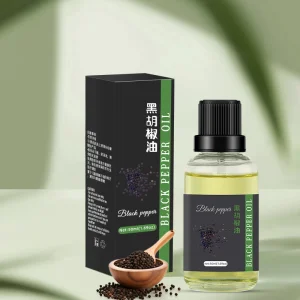
| Piper nigrum (Black Pepper) | ≥ 35% Piperine / Terpene profile | Supercritical CO2 / Distillation | GC-MS, Capillary Column ID | Thermogenic Topicals, Savory Emulsions |
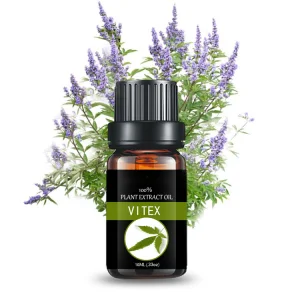
| Vitex agnus-castus | ≥ 0.5% Agnuside / Casticin | Fractionated Solvent Hydro-Ethanolic | HPLC-DAD Quantification | Endocrine Support Dietary Supplements |
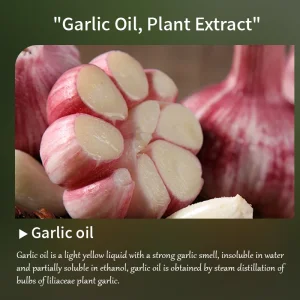
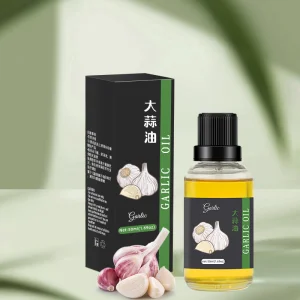
| Allium sativum (Garlic Oil) | Diallyl Disulfide > 30%, Allicin eq. | Vacuum Controlled Steam Distillation | GC Flame Ionization Detection | Industrial Savory Flavors, Animal Nutrition |
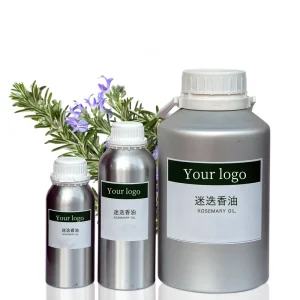
| Rosmarinus officinalis | Rosmarinic Acid 30-90% / Carnosic Acid | Ethanolic Solvent Recovery System | HPLC Reverse-Phase Assay | Lipid Auto-oxidation Prevention, Skin Serums |
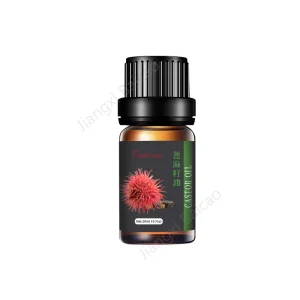
| Ricinus communis (Castor Oil) | Ricinoleic Acid ≥ 88% | Cold-Pressed Hydraulic Expression | Acid Value / Peroxide Value Titration | Surfactants, Midwest Cosmetic Formulations |
FDA & FSMA Readiness
Midwest Compliance & Localized Quality Assurance
Protecting procurement teams against regulatory non-conformance through full US-FDA alignment, validated FSMA documentation, and transparent origin tracing.
Complete FSVP Compliance
We deliver Foreign Supplier Verification Program (FSVP) dossiers designed specifically for Chicago importers of record, containing hazard analysis, sanitation controls, and allergen audits per 21 CFR Part 117.
USP / FCC Analytical Verification
Every batch dispatched to the Midwest is analyzed for solvent residue via Headspace-GC, elemental heavy metals (As, Pb, Cd, Hg) via ICP-MS, and microbiological limits compliant with USP <2021> and <2022>.
Warehouse Buffer Protocols
We coordinate with third-party logistics (3PL) climate-controlled warehousing nodes in the Chicago distribution loop, ensuring minimum 90-day inventory reserves for safety buffer continuity.
Formulation Integration
Application Scenarios Across Chicagoland Production Lines
From dynamic beverage stabilization to precision dermatological emulsification, examine how our active compounds deploy across production floors.
Ready-To-Drink Functional Beverages
Water-dispersible curcumin and polyphenolic extracts formulated to resist sedimentation in cold pasteurization and hot-fill lines common in Chicago craft beverage plants.
Cosmetics & Clinical Skincare
High-stability carrier oils, cold-pressed castor extracts, and bioactive essential oils tailored for Chicago indie beauty laboratories and contract dermatological manufacturers.
Commercial Flavors & Oleoresins
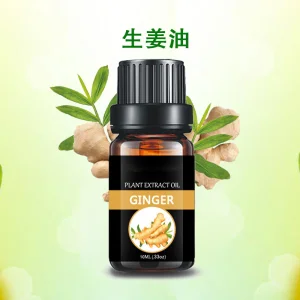
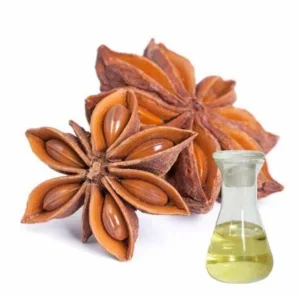
Direct steam-distilled ginger, garlic, and star anise oils delivering reliable sensory profiles and consistent threshold concentrations for Midwest flavor blenders.
Next-Gen Botanical Science
Technological Roadmap: 2025–2028 Extraction Horizons
Strategic investments in low-carbon processing, artificial intelligence spectroscopy, and micro-encapsulation to serve evolving Midwestern sustainability criteria.
Phase 01: Implemented
Subcritical Cryogenic Extraction
Low-temperature physical extraction preserving thermolabile terpenes and aromatic aldehydes without toxic hydrocarbon residual phases.
Phase 02: Active Scale
AI Chemometric Profiling
Real-time inline infrared analysis and machine learning algorithms correlating raw biomass spectra with final active yields to ensure year-over-year uniformity.
Phase 03: 2026 Rollout
Liposomal Encapsulation
Industrial-scale bioavailability enhancement systems providing lipid bilayer protection for sensitive plant polyphenols in acidic functional food formats.
Phase 04: Net-Zero 2027
Circular Biomass Recovery
Zero-waste extraction loop routing spent botanical cake into bio-pellets and secondary polysaccharide extractions to meet strict Scope 3 ESG audits.
Bulk Industrial Catalog
Direct Factory Export Oils & Pure Bio-Extracts for the Chicago Market
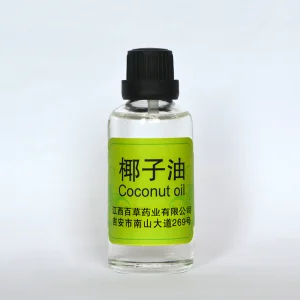
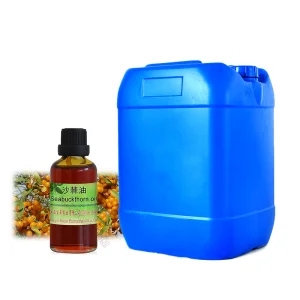
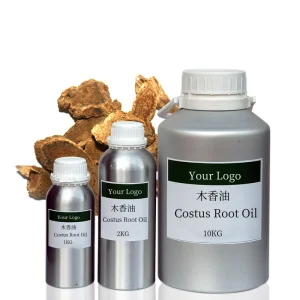
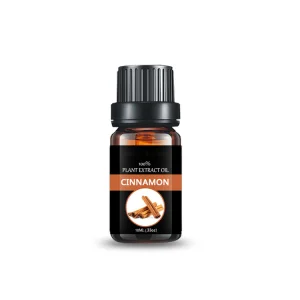
Select from our comprehensive list of pure cold-pressed carrier oils, steam-distilled volatile oils, and pharmaceutical-grade chemical fractions.
Procurement Intelligence
Frequently Asked Questions for Chicago B2B Sourcing
Clear, verifiable technical answers on analytical protocols, shipping logistics, and compliance support for procurement and QA teams.
What is the typical transit lead time to Chicago manufacturing sites?
Air freight through Chicago O’Hare (ORD) takes 5 to 7 business days from factory clearance. Ocean containers through coastal ports into Chicago’s rail intermodal network (BNSF/UP yards) run 28 to 35 days door-to-door, including customs release.
How do you verify adulteration in essential oils like Rosemary and Garlic?
We use gas chromatography-mass spectrometry (GC-MS) coupled with chiral column chromatography to distinguish natural botanical isomers from synthetic additives, backed by carbon isotope ratio testing whenever required.
Can you provide custom packaging compliant with local hazardous material codes?
Yes. We supply UN-certified steel drums (25kg, 50kg, 180kg) and fluorinated HDPE containers matching US DOT requirements for safe transit, handling, and storage across Midwestern warehousing networks.
What quality documentation accompanies every lot shipped to Illinois?
Every shipment arrives with a lot-specific Certificate of Analysis (COA) detailing active marker assays, heavy metals, microbial counts, solvent residues, alongside SDS compliant with OSHA HazCom 2012 standards.
Accelerate Your Chicago Botanical Supply Chain
Partner with an established primary plant extracts manufacturer delivering analytical consistency, direct factory pricing, and audited documentation for US manufacturing leaders.
Send Inquiry Now