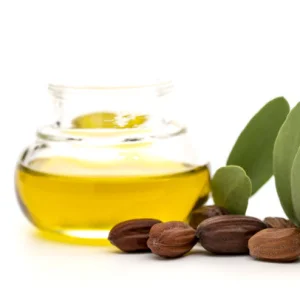
Featured Botanical Distillates & Base Oils Showcase
Direct-from-source wholesale selections audited through gas chromatography-mass spectrometry (GC-MS) and high-performance liquid chromatography (HPLC) ensuring pharmaceutical purity and regulatory alignment.
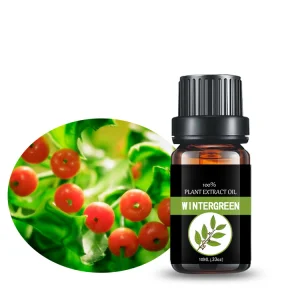
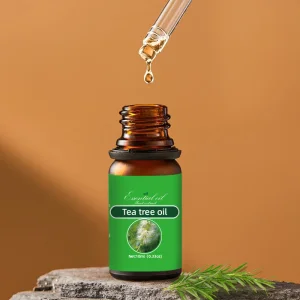
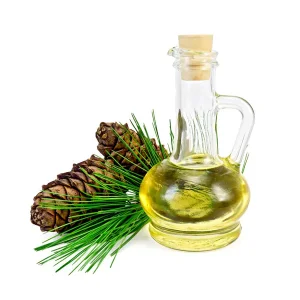
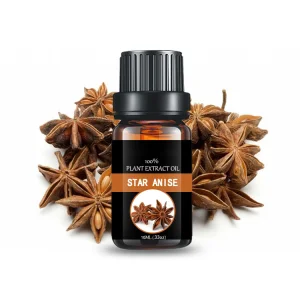
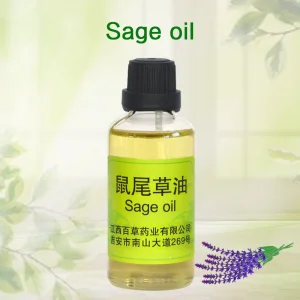
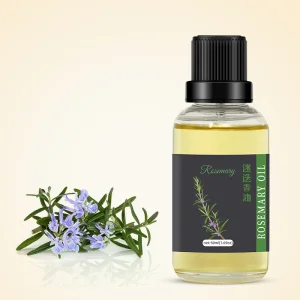
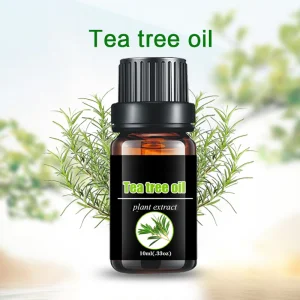
Engineering Bio-Active Terpenes & Triglyceride Matrices
Procurement of commercial botanical oils has transitioned from rudimentary commodity trading to molecularly validated active ingredient supply. Formulators now evaluate critical thermodynamic stability, terpene stereochemistry, and oxidation indices.
Supercritical Fluid CO₂ Fractionation
Traditional steam distillation exposes sensitive terpenes like α-terpineol and terpinen-4-ol to thermal degradation and unwanted isomerization. Supercritical CO₂ extraction combined with multi-stage molecular rectification guarantees low-temperature isolation, yielding oils free from aqueous thermal hydrolysis and residual solvent traces.
For organic virgin coconut oils, sub-critical centrifugal partitioning isolates low-melting-point lipid fractions without degrading delicate natural polyphenols or disrupting the fundamental C8/C10/C12 carbon-chain equilibrium.
Chiral GC-MS Fingerprinting & Purity Verification
Economic adulteration in Tea Tree Oil (Melaleuca alternifolia) is increasingly sophisticated, frequently involving synthetic terpinen-4-ol sourced from turpentine waste or lower-grade eucalyptus derivatives. Our analytical framework employs multidimensional Chiral Gas Chromatography coupled with Mass Spectrometry.
By auditing enantiomeric ratios (such as (+)-terpinen-4-ol vs (-)-terpinen-4-ol and natural terpinen-4-ol:1,8-cineole profiles), we provide absolute traceability that disqualifies adulterated industrial lots before batch blending occurs.
Sub-Micron Nano-Encapsulation Delivery
The volatility of monoterpenes and the insolubility of high-molecular lauric triglycerides present severe obstacles for stable dermatological emulsions. The technological roadmap focuses heavily on lipid nanoparticles (SLN) and self-emulsifying drug delivery systems (SEDDS).
By anchoring Tea Tree volatile actives inside high-purity Fractionated Coconut Oil (MCT) nanospheres, active compound oxidation is reduced by over 94% across 24-month accelerated shelf-life stability protocols.
Macro-Industry Solutions: Integrating Carrier & Essential Actives
When formulated cohesively, virgin coconut triglycerides act as physiological bio-carriers, while tea tree terpenes provide robust clinical bio-activity. This synergistic dual-sourcing model serves several multi-billion-dollar global verticals.
Clinical Dermatology & Acne Pathologies
Tea tree oil at standardized 38–42% Terpinen-4-ol concentrations demonstrates rapid minimum inhibitory concentration (MIC) kinetics against Cutibacterium acnes and Staphylococcus epidermidis without inducing antibiotic resistance. When delivered in non-comedogenic caprylic/capric triglyceride carrier bases, skin barrier disruption and trans-epidermal water loss (TEWL) are eliminated.
Trichology & Scalp Barrier Homeostasis
Seborrheic dermatitis and chronic dandruff linked to Malassezia globosa are targeted through lauric acid's cellular envelope permeabilization combined with tea tree's membrane lysis mechanisms. Industrial shampoo, scalp serum, and conditioner manufacturers deploy this blend to achieve high-efficacy clean-label claims without zinc pyrithione or synthetic ketoconazole.
Preservative Boosters & Clean Formulations
Under increasing global scrutiny against parabens, formaldehyde releasers, and isothiazolinones, industrial cosmetics formulators leverage high-purity Tea Tree Oil as a natural broad-spectrum antimicrobial booster. Combined with the water-binding emolliency of coconut lipids, microbial stability challenges (ISO 11930) are successfully met.
Veterinary Bio-Security & Feed Additives
Modern antibiotic-free animal feeding strategies incorporate micro-encapsulated essential oils with medium-chain fatty acids (MCFAs). Medium-chain monoglycerides derived from refined coconut oil weaken bacterial cell membranes, enabling terpinen-4-ol to penetrate internal pathogenic cytoplasm, providing proven prophylactic efficacy in swine and poultry gut health.
| Active Component / Metric | Standard Commercial Grade | Baicao Pharmaceutical Grade | Pharmacopoeia Reference Standard | Procurement Value Advantage |
|---|---|---|---|---|
| Terpinen-4-ol Assay | 30.0% – 35.0% | ≥ 40.5% (High Assay) | ISO 4730 / EP > 35.0% | Lower Active Dosage Required |
| 1,8-Cineole Content (Irritant) | < 15.0% | < 3.0% (Ultra-Mild) | ISO 4730 < 10.0% | Safe for Sensitive Skin |
| Lauric Acid Content (C12:0) | 42.0% – 46.0% | ≥ 49.8% Certified | USP / CODEX STAN 210 | Optimized Barrier Occlusion |
| Peroxide Value (Initial) | < 5.0 meq O₂/kg | < 0.8 meq O₂/kg | USP < 10.0 meq O₂/kg | Extended Shelf Stability |
| Heavy Metals (Pb, As, Cd, Hg) | < 20 ppm total | < 1.0 ppm (ICP-MS Tested) | Strict EU Cosmetic Annex II | Zero Tox Risk Clearance |
China Factory 4.0: Supply Chain Resilience & Extraction Integrity
Global enterprise buyers cannot tolerate supply disruption, seasonal raw material variability, or batch-to-batch chemical drift. Jiangxi Baicao Pharmaceutical operates an intelligent, data-driven 28,600 m² cGMP infrastructure designed for uncompromising consistency.
Feedstock Audit & Near-IR Sorting
Incoming raw botanicals are screened using Near-Infrared Spectroscopy (NIRS) for moisture, terpene index, and foreign matter before entering unloading bays, preventing suboptimal feedstock from entering extraction cycles.
SCADA Automation & Thermal Control
All 12 extraction lines operate under centralized DCS/SCADA architectures. Distillation steam temperature, vacuum pressure levels, and condensation rates are regulated within ±0.2°C tolerances, eliminating pyrolysis artifacts.
Multi-Stage Inert Fractionation
Refinement and rectification operate under continuous high vacuum with nitrogen sparging. This eliminates contact with dissolved atmospheric oxygen, maintaining peroxide values well below pharmacopeial limits.
Class 100,000 Cleanroom Packaging
Bulk drums (180kg fluorinated HDPE or epoxy-lined steel) and customized OEM packages are filled in purified laminar air flow environments, topped with inert argon/nitrogen blanketing before airtight sealing.
Localized Regulatory Support & Global Customs Clearance
Cross-border botanical supply chains fail most frequently due to deficient toxicological documentation, missing pesticide dossiers, or misaligned customs HS classification. We eliminate clearance friction through end-to-end regulatory compliance management.
Comprehensive Toxicological Dossiers
Every commercial batch includes batch-specific Certificates of Analysis (COA), 16-section GHS-compliant Safety Data Sheets (MSDS), allergen statements under EU Regulation (EC) No 1223/2009, IFRA 51st Amendment certificates, and animal-testing-free declarations.
Multi-Jurisdictional Registration (FDA / REACH)
Full support for US FDA facility registration, VCRP listings, EU REACH Only Representative (OR) coverage for bulk tonnage, and compliance with Proposition 65 thresholds (testing for trace 1,4-dioxane, heavy metals, and residual benzene ring structures).
Dangerous Goods Logistics & UN Packaging
Pure Tea Tree Oil is classified as UN 2319, Terpene Hydrocarbons N.O.S., Class 3, Packing Group III. Our factory logistics command specialized dangerous goods transport licenses, UN-certified drums, maritime IMDG packaging, and dangerous air freight (IATA-DGR) handling expertise.
Global Enterprise Procurement: Total Cost of Ownership (TCO)
Forward-thinking procurement heads evaluate botanical ingredient sourcing not merely on initial metric ton pricing, but on holistic risk-mitigated life-cycle economics across product development, factory throughput, and shelf integrity.
Buffer Stocking & Guaranteed Spot Call-Offs
Agricultural yield fluctuations caused by climatic volatility across Southeast Asia and Oceania create severe price spikes. We offer annual fixed-price supply agreements supported by bonded warehouse safety inventories, insulating client brands from commodity volatility.
Custom Molecular Fractionation & Viscosity Tailoring
Direct OEM/ODM formulators frequently demand custom lipid profiles—such as 60/40 or 70/30 Caprylic/Capric ratios or low-terpene cineole-stripped tea tree variants. Our on-site R&D team customizes fraction cuts directly at the extraction rectification stage.
Integrated Private Label Packaging Automation
Beyond 25kg, 180kg, and 1,000kg IBC industrial units, we operate semi-automated and fully automated aseptic consumer packaging lines. We deliver private-label amber glass dropper bottles, spray tubes, and gift-boxed sets directly export-ready to international retail distribution hubs.
Frequently Asked Technical & Procurement Questions
Direct answers to the most stringent questions posed by global procurement directors, quality assurance managers, and regulatory lead auditors.
Explore Complementary Carrier Oils & Botanical Isolates
Broaden your brand formulation matrix with certified pure botanical carrier oils, functional food additives, and highly active phyto-extracts manufactured under identical cGMP standards.