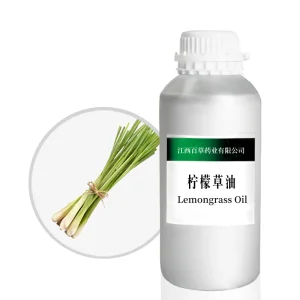
ODM CAS 8007-02-1 Wholesale Bulk Lemongrass Essential Oil 100 Pure Natural Manufacturers
Request Batch Specs & Quotes
Explore core aromatic and therapeutic distillates that blend synergistically with wholesale anise essential oil batches.
Understanding the chemistry of Illicium verum (Star Anise) and Pimpinella anisum (True Anise Seed) to maximize aromatic performance and bioactive efficacy.
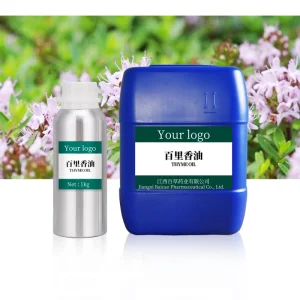
Anise essential oil contains trans-anethole as its primary volatile phenylpropanoid. When compounded with high-eugenol fractions such as Clove Bud and Thyme, it forms deep, warm therapeutic top-to-middle notes.
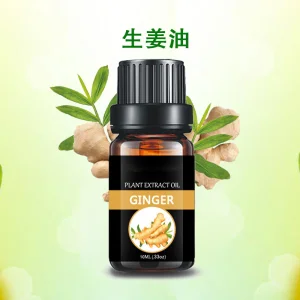
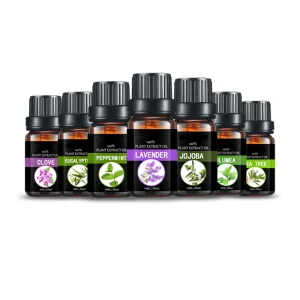
Primary Pairings: Clove Oil, Cinnamon Bark, Ginger Root, Black Pepper. Ideal for rubefacient liniments and seasonal culinary flavorings.
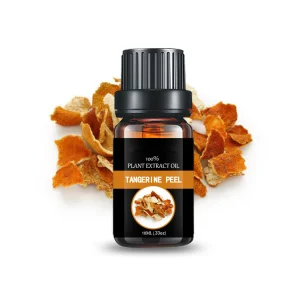
The intense, licorice-sweet heaviness of anethole can overwhelm delicate headspaces. D-Limonene, sweet orange, and tangerine peel act as volatile monoterpene solvents that lift the vapor pressure of the blend.
Primary Pairings: Tangerine Peel Oil, Grapefruit, Bergamot, D-Limonene Terpenes. Used widely in functional oral hygiene and invigorating room diffusers.
Compounding anise with camphoraceous or mint derivatives generates crisp respiratory clearings. The crisp sharpness of l-menthol and 1,8-cineole softens the saccharine dry-down of aniseed volatiles.
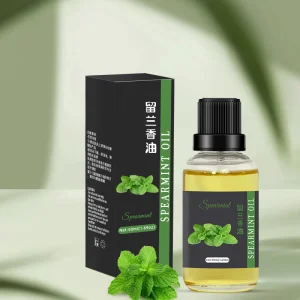
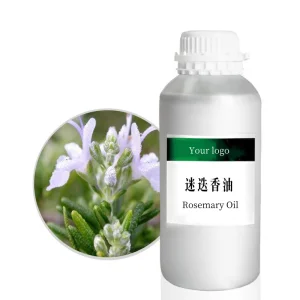
Primary Pairings: Spearmint Oil, Mentha Arvensis Peppermint, Eucalyptus Globulus, Rosemary. Found extensively in cough elixirs and sports balms.
| Active Chemical Marker | Typical Chromatographic Area (%) | Sensory / Functional Functionality | Recommended Compounding Synergist |
|---|---|---|---|
| trans-Anethole | 87.0% – 93.5% | Warm, intensely sweet aniseed/licorice aroma; secretolytic | Eugenol (Clove Oil), Linalool (Lavender/Rose) |
| Estragole (Methyl Chavicol) | 1.0% – 4.5% | Herbal, aniseed nuance; regulated IFRA component | Citral (Lemongrass Oil), Geraniol |
| cis-Anethole | < 0.1% (Strict Floor) | Isomeric trace impurity; controlled toxicological index | D-Limonene (Fractional wash control) |
| Anisaldehyde | 0.5% – 1.8% | Hawthorn-like, floral-powdery dry down note | Cananga Odorata (Ylang Ylang), Terpineol |
| Foeniculin | 0.1% – 2.0% | Distinctive star anise bitter-sweet backnote | Rosmarinic Acid, Thymol (Thyme Oil) |
Why global contract manufacturers, flavor houses, and pharmaceutical buyers concentrate their supply agreements with direct Chinese primary distillers.
Over 80% of global Star Anise originates in Southern China. Operating out of the Jinggangshan Economic Development Area, Baicao eliminates tertiary trading layers, securing raw seedstock straight from the harvest floor.
Our dual workshops run six dedicated essential oil processing lines equipped with vacuum fractional distillation. This enables precision rectification of trans-anethole concentrations up to 99% while stripping heavy metals and pesticide residues.
Avoid false certifications. Our on-site analytical laboratory screens every batch against USP, EP, and FCC monographs. Full chromatographic fingerprints verify that cis-anethole remains under standard detection limits to ensure product safety.
Whether shipping ISO tank containers, 180kg fluorinated drums, 25kg HDPE carboys, or retail-ready OEM amber bottles, our automated packaging infrastructure meets strict hazardous chemical sea export standards.
How consumer demand for clean-label preservatives, natural oral bactericides, and eco-friendly animal feed is accelerating global anise oil consumption.
Synthetic preservatives like BHT and parabens face growing regulatory resistance under EU REACH and US FDA frameworks. Formulators increasingly use anise oil blended with Rosemary Extract (Rosmarinic Acid) and Clove Eugenol to create broad-spectrum, plant-derived preservation systems.
With global bans on prophylactic antibiotic growth promoters in livestock, aniseed extracts compounded with Garlic Oil and Oregano extracts serve as gut-microbiome stabilizers and appetite stimulants in animal nutrition programs.
Modern consumers avoid synthetic saccharin and artificial mint bases. Compounding natural anise with Peppermint (Mentha arvensis) and Spearmint delivers refreshing botanical profiles while inhibiting oral biofilm pathogens.
Precise operational guidelines for B2B formulators integrating anise essential oil into functional cosmetics, consumables, and aroma products.
Primary Synergist: Mentha Arvensis, Spearmint Oil, Thyme.
Application: Toothpastes, mouthwashes, dissolving breath strips.
Technical Role: Trans-anethole pairs with spearmint carvone to mask harsh cleansing agents while providing fresh taste and antibacterial action.
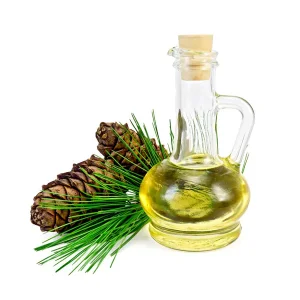
Primary Synergist: Eucalyptus Globulus, Pine Needle Oil.
Application: Chest ointments, steam inhalants, diffuser drops.
Technical Role: Anethole acts as a mild secretolytic agent, easing mucus evacuation when paired with volatile pinene and cineole compounds.
Primary Synergist: Ylang Ylang, Rose Flower Oil, Tangerine.
Application: Gourmand perfumes, soy candle blends, luxury reed diffusers.
Technical Role: Introduces exotic, spicy sweetness into floral heart chords, functioning as an olfactory anchor that enhances diffusion longevity.
Primary Synergist: Garlic Oil, Clove Oil, Sweet Almond Carrier.
Application: Swine starter diets, ruminant feed flavorings, angling attractants.
Technical Role: Strong olfactory volatility masks unpleasant medicinal minerals and increases feed intake in farm livestock.
What purchasing directors must specify to secure precise commercial quotes and prevent raw ingredient delivery disruptions.
Specify between Star Anise (Illicium verum Hook. f., CAS 68952-43-2 / 8007-70-3) and True Anise Seed (Pimpinella anisum L., CAS 8007-70-3). Clearly state whether you require USP, FCC, Cosmetic, or Feed grade qualifications in your RFQ.
Set trans-anethole targets (e.g., ≥87% vs. rectified ≥95%) and strict limits on cis-anethole (<0.05%) and estragole content. Request chromatographic batch verification to confirm adherence to target parameters.
State container requirements: 1kg aluminum bottles for laboratory pilots, 25kg UN-rated drums for small formulations, or 180kg galvanized iron drums for production lines, along with required palletization and Incoterms (FOB/CIF/DDP).
Detailed answers to help supply chain directors and formulation chemists qualify wholesale anise essential oil shipments.
Anise essential oil blends effectively with four main botanical families due to its trans-anethole backbone:
While both are rich in trans-anethole (giving them a similar sweet, licorice-like aroma), their botanical origins and economic profiles differ significantly:
Crystallization is a hallmark of high purity rather than a defect. Pure trans-anethole has a freezing point between 20°C and 22°C (68°F – 72°F). High-potency batches (≥87% trans-anethole) naturally solidify or form white crystalline masses when stored below this temperature. Gentle warming to 30°C–35°C will reliquefy the oil without altering its chemical profile or bioactivity.
Cis-anethole is an unwanted isomer with roughly 15 to 20 times the toxicity of trans-anethole, while estragole is subject to strict IFRA thresholds. Baicao controls these compounds by inspecting raw botanical material and using multi-plate vacuum fractional distillation to separate lower-boiling terpenes and problematic isomers. Each lot is verified via GC-MS before release.
Every industrial shipment is supplied with a comprehensive documentation package, including: 1. Batch-specific Certificate of Analysis (COA) with GC chromatogram scans; 2. Fully compliant 16-section Safety Data Sheet (SDS/MSDS) under GHS standards; 3. Technical Data Sheet (TDS), allergen declarations, and IFRA statements; 4. Non-GMO, BSE/TSE-free declarations, and relevant Kosher/Halal certifications.
Sustainably distilled plant oils and carrier bases to complete your formulation pipeline.