Active Production Lots
Factory-Direct Botanical Extracts & Specialty Essential Oils
Direct supply allocations from our 28,600 m² GMP facility in Ji'an, Jiangxi. Batch-certified and precision-engineered for pharmaceutical, personal care, and functional flavor matrices.
High-Quality Pure Natural Linalool oil for the synthesis of vitamin A and E Supplier, Quotes
Request Technical COA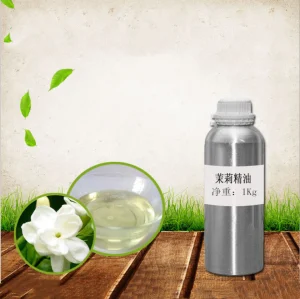
High-Quality Natural Jasmine Fragrance Oil Wholesale Jasmine Essential Oil for Skin Supplier, Company
Request Technical COA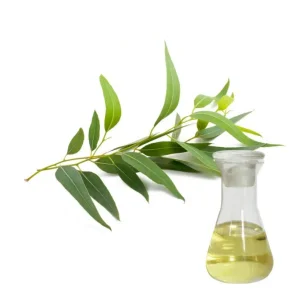
Famous EUCALYPTUS GLOBULUS Leaf Essential Oil Multipurpose Top Grade 100% Pure Eucalyptus Oil Manufacturers, Exporters
Request Technical COA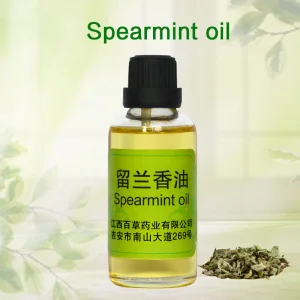
High-Quality Factory wholesale bulk natural spearmint oil Manufacturers, Quotes
Request Technical COA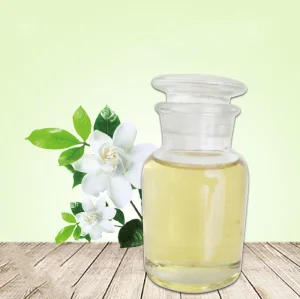
Custom Natural Jasmine Fragrance Oil for Perfume Making Wholesale Jasmine Essential Oil Product, Service
Request Technical COA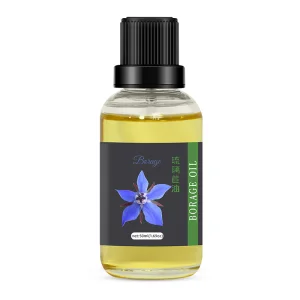
Famous OEM Borage Oil Smoothing Nourishing Brightening Whitening Carrier Oil for Face and Body Manufacturers, Products
Request Technical COA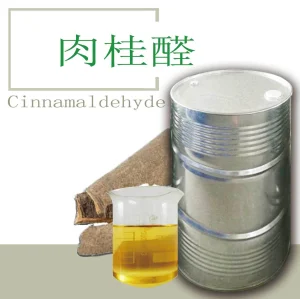
Cheap Free Sample Factory Supply Wholesale Bulk Price Pure Cinnamaldehyde Manufacturer, Company
Request Technical COA85% - 92%
Cinnamaldehyde Purity Target
28,600 m²
GMP Certified Infrastructure
12 Lines
Distillation & Powder Facilities
ISO & FDA
Fully Documented Audit Trail
Industry Intelligence
The Evolution of Cassia Oil Uses Across Global Industrial Manufacturing
Cassia oil (distilled from Cinnamomum cassia Presl, Lauraceae) has transitioned from an artisanal flavoring agent into a critical bio-active platform chemical. With rigorous international standards demanding reproducible chromatograms and stringent pesticide ceilings, enterprise buyers rely on integrated OEM partners capable of stabilizing active secondary metabolites at scale.
Flavor & Sensory Synthesis
Within large-scale confectionery, carbonated beverages, oral care formulas, and chewing gum bases, high-purity cassia oil serves as an indispensable warm, spicy top note. Controlled thermodynamic distillation eliminates thermal degradation by-products, preserving genuine olfactory profiles.
- FEMA / GRAS compliant batches
- Low acid value minimizing flavor degradation
- Stable blending with mint and spice congeners
Phyto-Therapeutic & Topical Care
The intense rubefacient and transdermal thermal properties of cassia oil make it a functional staple in medicated balms, joint creams, and warming athletic liniments. Its vascular dilatory activity supports topical bioavailability of companion actives.
- High cinnamaldehyde content (≥85.0%)
- Low coumarin variants for cosmetic limits
- Dermatological irritation indexing support
Natural Antimicrobial & AGP Replacement
In modern animal husbandry and agrochemical manufacturing, cassia oil acts as a powerful botanical preservative and an antibiotic growth promoter (AGP) alternative. It disrupts bacterial cellular membranes across broad-spectrum enteric pathogens.
- Proven MIC values against E. coli and Salmonella
- Micro-encapsulated formulations available
- Non-residual eco-friendly biocidal active
Procurement Specifications
Analytical Benchmarking & Chromatographic Profile
B2B chemical compliance requires clear specifications. At Jiangxi Baicao Pharmaceutical, we cross-validate each production lot through Gas Chromatography-Mass Spectrometry (GC-MS) and High-Performance Liquid Chromatography (HPLC) to guarantee botanical authenticity and ensure the absence of synthetic cinnamaldehyde adulteration.
| Analytical Parameter | Enterprise Standard Specification | Primary Test Protocol | Operational Relevance |
|---|---|---|---|
| Botanical Origin | 100% Cinnamomum cassia Presl | DNA Barcoding / Chiral GC | Prevents mixing with synthetic aroma bases |
| Cinnamaldehyde Assay | 85.0% – 93.0% (w/w) | GC-FID / GC-MS (USP/EP method) | Guarantees active antimicrobial/flavor efficacy |
| Physical State & Color | Clear, yellowish-brown to deep reddish liquid | Visual & Colorimetry (Gardner) | Baseline for optical and cosmetic blending |
| Refractive Index (20°C) | 1.6020 – 1.6140 | Abbe Refractometry | Verifies density and absence of solvent cut |
| Specific Gravity (20/20°C) | 1.053 – 1.070 | Oscillating U-tube Pycnometer | Detects synthetic diluents (e.g., DEP, mineral oils) |
| Heavy Metals (Pb, Cd, As, Hg) | Total < 10.0 ppm (individual < 1 ppm) | ICP-MS Validation | Ensures full compliance with USP <232> limits |
| Pesticide Residue Screen | Compliant with Ph. Eur. 2.8.13 | LC-MS/MS & GC-MS/MS | Clean-label qualification for export to EU/US |
Enterprise Solutions
Macro-Industry Supply Chain & OEM Scalability
Procuring industrial botanicals presents structural challenges: seasonal biomass fluctuations, pesticide drift, and volatile aromatic profile shifts. Jiangxi Baicao Pharmaceutical mitigates these supply vulnerabilities through end-to-end integration from plantation to container dispatch.
Fractional Vacuum Rectification
Unlike raw atmospheric distillers that scorch sensitive polyphenols, our factory uses continuous multi-stage fractional vacuum distillation. This allows us to yield refined cuts with cinnamaldehyde concentrations elevated to precise customer parameters up to 98%.
Multi-Tier Nitrogen Blanketing
Cassia oil readily oxidizes when exposed to ambient atmospheric oxygen, causing cinnamaldehyde to convert to cinnamic acid. Our storage silos and ISO-tank filling zones operate under closed-loop nitrogen blankets to prevent peroxide value creep during extended transit.
Custom B2B Delivery Configurations
We accommodate both industrial intermediate requirements and retail-ready finished packaging: epoxy-lined steel drums (25kg, 180kg, 200kg), intermediate bulk containers (IBCs at 1000kg), and high-speed automated private-label bottling lines for drop-dispensers.
Global Regulatory Assurance
Localized Support & International Compliance Pathways
Entering international regulated markets requires documentation beyond a standard commercial invoice. Baicao Pharmaceutical's regulatory affairs team ensures every shipment arrives with audit-ready dossiers conforming to destination regional authorities.
EU REACH & CLP Compliance
Full support for registration dossier cross-referencing, SDS generation compliant with Regulation (EC) No 1272/2008, allergen classification tables, and IFRA 51st Amendment volume thresholds.
US FDA FSMA & cGMP Dossiers
FDA facility registration documentation, Hazard Analysis Critical Control Point (HACCP) protocols, and Foreign Supplier Verification Program (FSVP) technical filings for hassle-free US port clearance.
Halal & Kosher Certification
Fully segregated, plant-based processing lines verified by accredited religious dietary certification boards, ensuring compliance for multinational food and nutraceutical brands.
Batch Retention & Audit Trail
Physical retention samples from every distilled batch are sealed in temperature-controlled archives for 36 months, paired with digital chromatograms accessible on-demand by buyer QA units.
Future Engineering
Technology Roadmap: Next-Gen Cassia Processing
As sustainability requirements and green chemistry standards evolve, Baicao Pharmaceutical is executing a research-backed roadmap to lower emissions and maximize bio-availability.
Supercritical CO₂ Extraction Units
Supplementing our core steam distillation systems, pilot installations of closed-cycle supercritical CO₂ allow selective extraction without thermal stress, isolating fragile trans-cinnamaldehyde complexes alongside native aromatic terpenes.
Nano-Emulsification & Liposomal Carriers
Addressing the natural insolubility of cassia oil in aqueous food and supplement matrices, our technical labs provide water-dispersible nano-emulsions and spray-dried micro-encapsulated powders for direct beverage blending.
Decarbonized Biomass Energy Cycles
By reusing post-distillation cinnamon barks and wood fiber to fuel factory heat-recovery boilers, our facility maintains a closed-loop energy generation model that shrinks the Scope 1 carbon footprint for eco-conscious brand partners.
Buyer Knowledge Center
Frequently Asked Questions on Cassia Oil OEM & Bulk Procurement
Clear, direct answers regarding quality management, industrial capabilities, analytical certifications, and contract execution.
What is the difference between Cassia Oil and Ceylon Cinnamon Bark Oil?
Cassia oil (Cinnamomum cassia) originates primarily from China and Vietnam and is rich in cinnamaldehyde (typically 80-90%) with trace eugenol. Ceylon cinnamon oil (Cinnamomum verum) from Sri Lanka has higher eugenol content and lower cinnamaldehyde. Cassia is preferred for broad industrial flavoring, rubefacient liniments, and agricultural uses due to its potent antimicrobial activity and cost efficiency.
How do you verify against adulteration with synthetic cinnamaldehyde?
Our quality control center uses Carbon-14 (14C) isotopic testing alongside Chiral Gas Chromatography. Synthetic cinnamaldehyde derived from petrochemical benzaldehyde lacks native botanical 14C activity and exhibits distinct synthetic isomer footprints that our GC-MS easily detects during inbound and outbound QA audits.
What are the primary industrial safety packaging requirements?
Because pure cinnamaldehyde is classified as a dermal sensitizer (UN 2810 / Class 6.1 or UN 3082 Class 9 depending on packaging concentration), we package under UN-certified fluorinated HDPE containers, internally coated steel drums, or stainless ISO containers to guarantee chemical stability and transport safety during international maritime shipping.
Can you provide custom blending and OEM private label services?
Yes. Beyond supplying bulk oil drums, our 12 GMP production lines include automated filling, capping, batch-coding, and shrink-wrapping for retail-ready essential oil bottles, custom gift sets, and pre-diluted carrier oil formulations tailored to cosmetic and aromatherapy brand requirements.
How does Baicao control the coumarin levels in cassia derivatives?
Coumarin is naturally occurring in Cinnamomum cassia. For clients targeting strict compliance with European food flavoring frameworks (EC 1334/2008), our precision vacuum rectification columns can separate volatile cinnamaldehyde cuts while keeping coumarin concentrations well within regulatory ceilings.
What documentation accompanies an enterprise contract order?
Every commercial batch is accompanied by an in-house or third-party verified Certificate of Analysis (COA), SDS in GHS format, Gas Chromatogram (GC-MS), Technical Data Sheet (TDS), Non-GMO confirmation, Allergen statement, and Certificate of Origin.
Catalogue Portfolio
Related Botanical Fractions & Pure Essential Ingredients
Engineered to meet identical GMP and analytical testing standards. Ready for export in bulk drums or customized OEM consumer packaging.
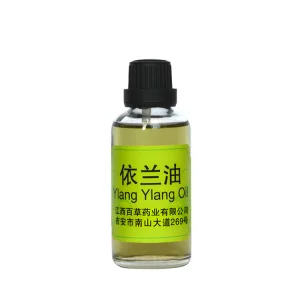
OEM Global Exporter 8006-81-3 Yilan Yilan Essential Oil Jiangxi Cosmetic Oil Perfume Oil Exporters, Service
Request Technical COA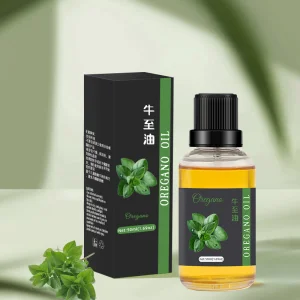
China Low Price Wholesale 100% Pure Natural Oregano Essential Oil for Export Manufacturers, Quotes
Request Technical COA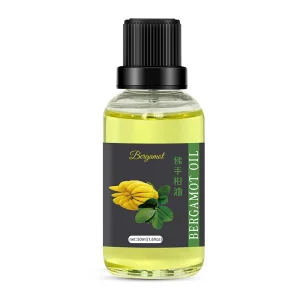
Cheap Pure Natural Bergamot Essential Oil Skin Body Massage Blend Oil Suppliers, Companies
Request Technical COA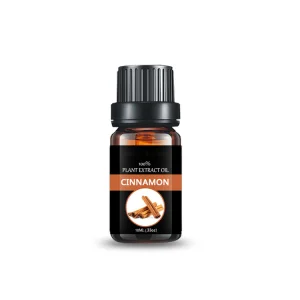
High-Quality Fragrant oil cinnamaldehyde Manufacturers, Exporters
Request Technical COA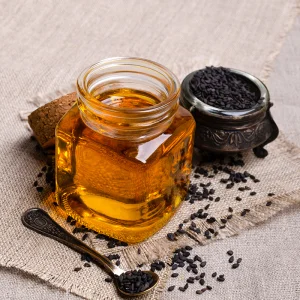
Buy Wholesale Organic Sesame Seed Essential Oil Skincare Face and Body Products, Service
Request Technical COA
Famous Natural Rose Hydrosol Floral Water For Cosmetic wholesale rose water Exporter, Exporters
Request Technical COA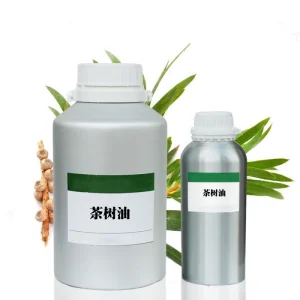
Discount Melaleuca Alternifolia Oil Pure Tea Tree Essential Oil Bulk Price Factory, Exporters
Request Technical COA