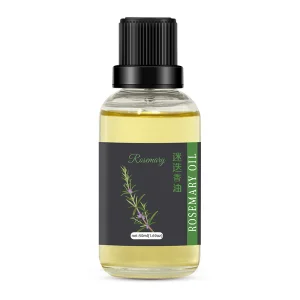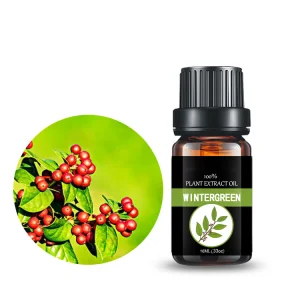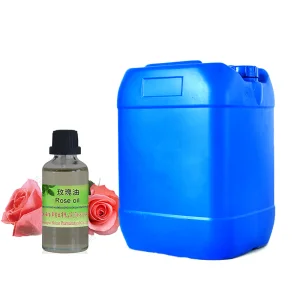
Standard Botanical Derivatives & Essential Fractions
Immediate dispatch available for standardized lots. Fully vetted via gas chromatography, HPLC assay testing, and trace contaminant screening.
Global Commercial & Industrial Status of Clove Essential Oil
An authoritative breakdown of global procurement channels, regulatory pressures, and raw material volatility in the Syzygium aromaticum value ecosystem.
Supply Volatility in Origin Hubs
Traditional clove producing regions across Southeast Asia and East Africa face growing climate disruptions, inconsistent solar drying practices, and irregular local distillation yields. The lack of standardized pre-treatment often leads to elevated polycyclic aromatic hydrocarbons (PAHs) and pesticide residue variations that fail European Pharmacopoeia (EP) and United States Pharmacopeia (USP) entry levels.
- Raw Material Risk Mitigation: Dual-Sourced Buds
- Yield Regularity: Steam Rectified
Transition to Clean-Label Preservatives
Global FMCG manufacturers and personal care titans are aggressively eliminating synthetic parabens, phenoxyethanol, and BHT. Driven by its exceptional phenolic composition, eugenol from clove oil acts as a powerful broad-spectrum antimicrobial and anti-mycotoxin active. The key operational hurdle is managing organoleptic sharpness while retaining biological efficacy at sub-inhibitory thresholds.
- Antimicrobial Range: Gram(+) & Gram(-)
- Synthetic Replacement: 100% Bio-based
Escalating Regulatory Compliance
Under REACH regulation (EC No 1907/2006) and the EU Classification, Labelling and Packaging (CLP) framework, eugenol concentrations require exact safety dossiers regarding skin sensitization, dermal contact limits, and IFRA 51st Amendment compliances. Commercial sourcing must bypass intermediary traders in favor of direct primary extractors capable of producing lot-specific analytical certificates.
- IFRA Conformity: Standard Category Compliant
- Trace Residues: ND (Non-Detectable)
Localized Application Scenarios: Custom Formulation Realities
How regional demands in the EU, North America, Southeast Asia, and Latin America dictate differing chemotype requirements and formulation pathways.
North America: Oral Therapeutics
Widely utilized across dental formulations, endodontic temporary dressings, anti-caries gels, and antiseptic mouthwashes. Formulations require USP grade clove bud oil with tightly managed eugenyl acetate ratios to ensure localized analgesic and pulp-calming efficacy without mucosal irritation.
- Standard: USP / NF Grade
- Active Indicator: Eugenol ≥ 85%
Western Europe: Clean Dermocosmetics
High-end cosmeceuticals deploy deodorized, redistilled clove fractions to harness its radical scavenging capacity (ORAC values over 10,000 μmol TE/g). These formulations prioritize low methyl eugenol variants (< 0.01%) to seamlessly clear strict SCCS toxicological thresholds.
- Methyl Eugenol: Depleted / <10 ppm
- Application: Barrier-Defense Serums
Southeast Asia: Agro-Preservation
Bulk clove leaf and stem fractions serve as high-volume active constituents for botanical bio-fungicides and post-harvest produce coatings. Formulators rely on high beta-caryophyllene synergism to arrest anthracnose, downy mildew, and soil-borne nematode proliferation.
- Cost-Performance: High Concentration Leaf Oil
- Synergist: β-Caryophyllene ≥ 8%
Latin America: Meat Processing
Integrated food systems deploy food-grade clove oleoresin and nano-encapsulated clove oil as natural lipid antioxidants in processed meats, stopping rancidity and lipid peroxidation while maintaining microbiological stability under high-humidity supply routes.
- Stability: Lipid Dispersion Matrix
- Target: Shelf-Life Prolongation
Comparative Technical Matrix: Clove Oil Fractions & Specifications
Precision parameters engineered across Baicao's dedicated workshops. Choose your required fraction based on active concentration and target matrix compatibility.
| Commercial Grade / Fraction | Botanical Part | Extraction Mechanism | Eugenol Purity | Specific Gravity (20/20°C) | Target Industrial Segment |
|---|---|---|---|---|---|
| Clove Bud Oil (USP/EP Grade) | Dried Unexpanded Flower Buds | Fractional Steam Distillation | 85.0% - 92.0% | 1.042 – 1.054 | Pharmaceuticals, Dental Sedatives, Oral Rinses |
| Clove Leaf Oil (Industrial Grade) | Mature Foliage & Twigs | Continuous High-Pressure Steam | 80.0% - 84.0% | 1.036 – 1.046 | Agrochemicals, Biopesticides, Industrial Solvents |
| Clove Stem Oil (Rectified) | Dried Pedicels / Flower Stems | Multi-Plate Vacuum Rectification | 88.0% - 95.0% | 1.048 – 1.058 | Fine Fragrance Intermediates, Vanillin Synthesis |
| Depleted Methyl Eugenol Clove | Selected Clove Buds | Molecular Distillation Cut | ≥ 88.0% (ME < 10ppm) | 1.045 – 1.055 | EU Certified Cosmetics, Facial Care, Baby Care |
| Water-Soluble Clove Emulsion | Bud Oil Active Complex | Ultrasonic Nano-Emulsification | 10.0% - 20.0% Active | 1.010 – 1.025 | Functional Beverages, Anti-Microbial Coatings |
China Factory Supply Chain Resilience & Extraction Efficiency
How Jiangxi Baicao Pharmaceutical leverages centralized engineering clusters, advanced thermal recovery, and automated rectification to insulate buyers from global market shocks.
28,600 m² Integrated Infrastructure
Located in the Jinggangshan Economic & Technological Development Area, our factory is split into dedicated, isolated workshops: Workshop 01 operates six high-capacity essential oil distillation and rectification lines, while Workshop 02 houses six botanical extract processing lines. This total separation permanently eliminates batch cross-contamination.
- Dedicated Workshops: 2 Independent Units
- Production Capacity: 12 Automated Lines
Thermal Efficiencies & High-Plate Columns
By implementing PLC-controlled fractional vacuum distillation columns with up to 45 theoretical plates, we separate fragile eugenol and eugenyl acetate without exposure to thermal degradation. Heat exchange recycling reduces energy consumption per metric ton by 34% compared to standard open steam setups.
- Fractionation: Multi-Plate Vacuum Columns
- Thermal Control: Sub-85°C Flash Boiling
Strategic Raw Feedstock Reserves
Price instability is curbed through deep-tier supply contracts and high-capacity, climate-controlled warehousing. Baicao maintains an active rolling buffer of pharmaceutical-grade botanical feedstock, sheltering annual OEM contract partners from erratic harvest cycles and sudden global spot-market spikes.
- Feedstock Reserve: 1,200 MT Dry Equivalent
- Price Lock Period: Up to 12 Months Locked
Technical Roadmap & Future Outlook (2025–2030)
Pioneering sustainable green chemistry: how advanced engineering is resolving the classic trade-offs between volatile bioactivity, oxidation rates, and sensory intensity.
Phase 1: Supercritical CO2 Fractionation
Transitioning from traditional steam-only methods to hybrid Supercritical CO2 (scCO2) extraction with inline multi-stage cyclone separators. This yields a full-spectrum extract free of solvent residues, operating at low temperatures (35-45°C) to conserve thermally labile terpenes and native aroma profiles without scorching.
- Process Temperature: 35°C – 45°C
- Solvent Status: Zero Hydrocarbon Footprint
Phase 2: Molecular Encapsulation & Cyclodextrin Complexes
Addressing eugenol volatility and oxidative degradation through pharmaceutical-grade beta-cyclodextrin host-guest inclusion complexes. This creates a free-flowing, completely water-dispersible clove powder suitable for instant oral rehydration formulations, tablets, and dry nutraceutical drink sticks.
- Active Retention: ≥ 98% Over 36 Months
- Solubility: 100% Water Dispersible
Phase 3: AI-Driven In-Line Process Analytical Technology (PAT)
Integrating in-line Near-Infrared (NIR) and Raman spectroscopy sensors straight into the fractionation discharge manifolds. Real-time feedback automatically fine-tunes condenser reflux rates, guaranteeing that every liter of clove distillate satisfies customer chemotype cutoffs with zero manual drift.
- Monitoring: Real-Time NIR Spectral Assay
- Batch Drift: < 0.5% Variance
Regulatory Compliance, Local Support & Quality Architecture
Direct access to comprehensive technical registration dossiers. We streamline foreign market customs clearance and formulation qualification with full audit trails.
Analytical Verification Suites
Every single outgoing batch is backed by an in-house laboratory inspection package: Gas Chromatography (GC-FID) and Gas Chromatography-Mass Spectrometry (GC-MS) for volatile profiling, alongside High-Performance Liquid Chromatography (HPLC) assays. Detailed Certificates of Analysis (COA) confirm true botanical purity.
- GC/GC-MS Platform: Agilent Technologies
- Chromatogram Data: Supplied with Batch
Global Safety & Legal Dossiers
Our regulatory affairs division provides buyers with fully documented support: 16-Section GHS-compliant Safety Data Sheets (SDS), Technical Data Sheets (TDS), IFRA 51st Amendment Declarations, Allergen Statements (detailing eugenol, isoeugenol, and cinnamal levels), BSE/TSE-Free Certificates, and Non-GMO verification.
- SDS Framework: GHS / CLP Standardized
- Regulatory Support: REACH & FDA Validated
Enterprise Packaging & Dangerous Goods Logistics
Industrial supply is safeguarded in fluorinated HDPE carboys, internal epoxy-coated steel drums (25kg, 50kg, 180kg, 200kg), or 1000L IBC totes purged with dry nitrogen headspace to arrest oxidative polymerization during maritime shipping. Complete UN-approved dangerous goods (DG) compliance ensures smooth logistics handling.
- Headspace Protection: Nitrogen (N2) Blanketing
- Drum Certifications: UN Certified Steel / HDPE
Frequently Asked Questions: Technical & Commercial
Direct, transparent engineering answers addressing eugenol ratios, adulteration testing, shelf life stability, and private label ODM minimums.
What is the critical chemical difference between clove bud, stem, and leaf oils?
The definitive divergence lies in the eugenol to eugenyl acetate ratio and sesquiterpene profiles. Clove bud oil contains substantial eugenyl acetate (typically 8% to 15%), granting it a sweeter, softer olfactory profile preferred in oral care and flavorings. Clove leaf oil contains almost no eugenyl acetate (< 1.5%) and higher crude eugenol alongside elevated beta-caryophyllene, making it ideal for industrial chemical synthesis and biopesticides. Clove stem oil falls between the two, often preferred for isolating clean eugenol fractions.
How does Baicao's QC laboratory detect synthetic eugenol adulteration?
Synthetic eugenol derived from petrochemical guaiacol or petrochemical catechol exhibits specific impurity profiles that are non-existent in true botanical distillates. Our laboratory checks for marker compounds via high-resolution capillary GC-MS and utilizes Carbon-14 (¹&sup4;C) isotope ratio mass spectrometry (IRMS) validation for critical client lots to confirm 100% bio-based origin, ensuring zero fossil-fuel derived blending.
Can you manufacture low methyl eugenol clove oil for EU cosmetics?
Yes. Methyl eugenol is strictly restricted under EU Regulation (EC) No 1223/2009 due to potential carcinogenicity concerns. Through multi-stage high-vacuum molecular distillation, we selectively draw off the narrow methyl eugenol boiling fraction, reducing its concentration to below 10 ppm (or non-detectable levels) while conserving the core eugenol active profile, delivering full cosmetic compliance.
What are your standard packaging formats and private label OEM minimums?
For raw industrial supply, our standard packaging includes 25kg fluorinated HDPE drums, 50kg steel drums, and 180kg/200kg tight-head steel drums purged with nitrogen. For contract private label (ODM) brands, we offer automated filling from 5ml up to 100ml amber dropper bottles, roll-ons, and retail gift boxes, with typical minimum order quantities (MOQ) starting at 1,000 to 3,000 finished units per custom SKU.
What is the official shelf life and recommended bulk storage protocol?
The standard shelf life of unopened, nitrogen-blanketed clove essential oil is 36 months from the distillation date. Because eugenol oxidizes and darkens to an amber-brown hue upon exposure to air and heavy metals, containers should be stored below 25°C in cool, dry facilities protected from light, utilizing original stainless steel, phenolic-lined steel, or fluorinated polymer storage systems.
How does Baicao handle documentation for international dangerous goods transit?
Certain clove fractions require dangerous goods classification under UN 3082 (Environmentally Hazardous Substance, Liquid, N.O.S.) Class 9, Packing Group III due to aquatic toxicity metrics. Baicao’s logistics team manages complete DG declaration documents, UN-rated shipping containers, marine pollutant declarations, and MSDS/SDS paperwork for seamless passage across major international ports.
Expanded Botanical Extracts, Oleoresins & Therapeutic Oils
Explore companion botanicals and specialty plant actives produced within our 28,600 m² Jiangxi facility to complement your formulation lines.