Primary Commercial Botanical Oils & Actives
Essential components supporting professional cosmetic, wellness, and trichological formulations. Fully documented and chromatography-verified.

Macro-Industry Solutions: Cinnamon Oil in Modern Trichology
A rigorous examination of cinnamaldehyde bio-activity, capillary microcirculation, and advanced transdermal scalp therapy.
Microvascular Stimulation
Cinnamon oil, fundamentally rich in trans-cinnamaldehyde (typically 75% to 85% by GC-MS analysis), serves as a potent botanical vasodilator. At the microvascular interface of the dermal papilla, it stimulates blood perfusion, triggering localized production of vascular endothelial growth factor (VEGF). This mechanism effectively counteracts nutrient deprivation at hair follicles, prolonging the anagen (growth) cycle.
Follicular Antimicrobial Barrier
Malassezia spp., persistent bacterial biofilms, and sebum hyperoxidation are leading causes of scalp inflammation and early telogen shedding. High-purity cinnamon oil demonstrates profound minimum inhibitory concentration (MIC) efficiency against recalcitrant microorganisms, purifying follicular infundibula without destabilizing the beneficial cutaneous microbiome.
Lipid Peroxidation Inhibition
Environmental free radicals and UV exposure induce oxidative degradation of scalp sebum squalene, producing toxic lipid hydroperoxides that trigger follicle miniaturization. The synergy of phenolic components and eugenol in authentic cinnamon distillates establishes an antioxidant redox shield, protecting cellular membranes in the follicular matrix.
Global Commercial Landscape & Supply Dynamics
Navigating origin-level production bottlenecks, harvest volatility, and industrial procurement realities.
| Evaluation Parameter | Cinnamomum cassia (Chinese Origin) | Cinnamomum verum (Ceylon Origin) | Synthetic Cinnamaldehyde Blends |
|---|---|---|---|
| Primary Bio-Active Compound | Trans-Cinnamaldehyde (80% - 90%) | Cinnamaldehyde (60% - 75%) + Eugenol (5% - 15%) | Isolated Cinnamaldehyde (>98%) |
| Scalp Care Efficacy Tier | Highest thermal circulation & cellular response | Gentle stimulation; complex aromatic depth | Harsh dermal sting; lacks botanical entourage |
| Supply Stability & Scaling | High industrial scalability, consistent volume | Limited availability; high cost volatility | Highly standardized, low cost, non-botanical |
| Regulatory & IFRA Classification | Standardized dermal use limit <0.05% - 0.1% | Variable depending on Eugenol content | Strict restriction; non-compliant with clean beauty |
| Recommended Commercial Formulation | Pre-diluted serums, shampoos, scalp ampoules | Premium hair perfumes, delicate barrier elixirs | Prohibited in certified natural formulations |
Regulatory Compliance, Safety Verification & Localized Technical Support
Overcoming dermal irritation barriers and cross-border regulatory hurdles with certified documentation.
IFRA 51st Amendment Compliance
Cinnamaldehyde is recognized as a dermal sensitizer. Baicao provides comprehensive IFRA certificates confirming maximum permissible inclusion rates in leave-on scalp oils (Category 5B) versus rinse-off shampoo bases (Category 9), allowing cosmetic chemists to formulate confidently without triggering contact erythema.
Toxicological Dossier Portfolio
Every commercial consignment is accompanied by verified documentation: full lot-specific Certificates of Analysis (COA), safety data sheets aligned with EU REACH and GHS guidelines, ISO 9001 audit tracks, heavy metal screening reports (<1ppm Pb, As, Cd, Hg), and pesticide multi-residue assays.
Global Logistics & Regional Warehousing
Backed by UN-certified packaging protocols (fluorinated HDPE containers and sealed galvanized steel drums with nitrogen ullage), our export operations prevent auto-oxidation during marine and air transport, ensuring reliable on-spec delivery to cosmetic factories across North America, Europe, and Asia-Pacific.
Application Scenarios & Modern Formulation Architecture
Engineered deployment models for high-potency cinnamon oil derivatives in consumer hair care lines.
Pre-Wash Scalp Stimulating Elixirs
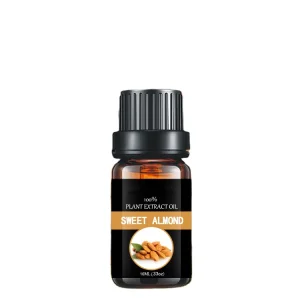
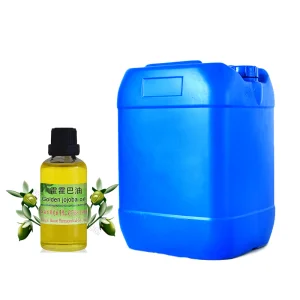
Formulated alongside biomimetic lipid carriers such as Golden Jojoba and Sweet Almond Oil, cinnamon oil functions at 0.05% - 0.2% concentration to break down follicular keratolytic plugs and promote thermal microcirculation before shampooing.
Anti-Dandruff Clarifying Shampoos
Leveraging high lipophilic potency, cinnamon distillate integrates into surfactant micelle networks. It targets deep infundibular sebum buildup, eradicating Malassezia colonies while soothing itchy scalp tension.
Advanced Follicle Rejuvenation Serums
Micro-encapsulated or nano-emulsified cinnamon oil derivatives combined with bioactive tripeptides and caffeine. Delivers sustained cinnamaldehyde release directly to the hair bulb without causing epidermal barrier irritation.
Technological Roadmap & Industrial Innovation (2025–2030)
Developing next-generation botanical distillates through low-temperature fractionation, cyclodextrin stabilization, and zero-carbon processing.
Fractional Vacuum Molecular Distillation
Implementing multi-stage falling film molecular distillation allows precise extraction of trans-cinnamaldehyde without thermal degradation, removing trace allergenic terpenes and yielding clear, low-pungency actives for clear leave-in serums.
Cyclodextrin Supramolecular Clathrates
By encapsulating unstable cinnamaldehyde molecules within beta-cyclodextrin host rings, our technical pipeline creates water-soluble, non-irritating crystalline powders that release active aromatics only upon contact with scalp surface enzymes.
Continuous Supercritical CO2 Fluid Refining
Transitioning from traditional steam distillation to green supercritical CO2 extraction preserves fragile secondary esters, eliminates wastewater discharge, and ensures residual solvent levels remain precisely at 0.00 ppm.
Strategic Procurement & Technical Formulation FAQ
Crucial information for regulatory managers, cosmetic chemists, and bulk purchasing directors.
What is the safe usage percentage of Cinnamon Oil in hair formulations?
Under IFRA Category 5B guidelines for leave-on scalp formulations, cinnamon bark oil containing 80% cinnamaldehyde is generally restricted to a maximum of 0.05% to 0.1% to prevent contact dermatitis. Rinse-off hair formulations (Category 9), such as shampoos and cleansing conditioners, can safely utilize concentrations up to 0.5% without adverse skin irritation.
How does cinnamon oil scientifically promote hair strand density?
Cinnamon oil stimulates blood flow through transient receptor potential ankyrin 1 (TRPA1) ion channel activation in the scalp. This microvascular stimulation delivers essential amino acids, zinc, and oxygen to the hair matrix cells, suppressing follicle atrophy and supporting healthy keratin production.
What is the difference between Cinnamon Bark and Cinnamon Leaf oil for hair?
Cinnamon bark oil is rich in cinnamaldehyde (75-85%), delivering intense vasodilation and heating effects. Cinnamon leaf oil is dominated by eugenol (70-85%), which provides a milder thermal sensation and exhibits pronounced local numbing, antioxidant, and anti-fungal properties. Formulators often blend both to balance performance and sensory feel.
How do you verify purity and guard against adulteration in bulk orders?
Every commercial lot undergoes rigorous dual-column Gas Chromatography-Flame Ionization Detection (GC-FID) and Gas Chromatography-Mass Spectrometry (GC-MS). We analyze enantiomeric ratios and evaluate critical markers to verify genuine botanical origin, confirming the batch is free from petroleum-derived synthetic cinnamaldehyde or toxic adulterants.
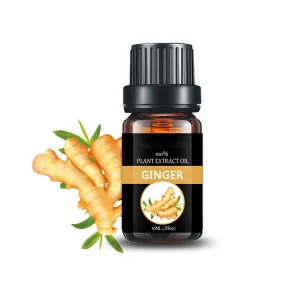
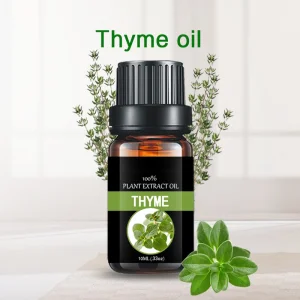
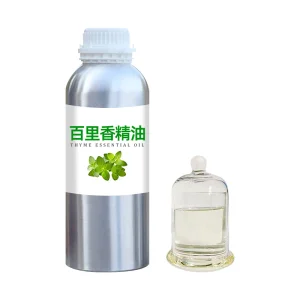
Synergistic Bioactive Plant Oils & Carriers
Expand formulation capabilities with chromatography-certified botanical extracts for trichological and personal care applications.