Factory-Direct Bioactive Solutions: Batch-Certified Portfolio
Explore eight core botanical essential oils and active fractions produced in compliance with international export criteria, verified via in-house GC-MS testing and sealed in industrial tamper-proof packaging.
-
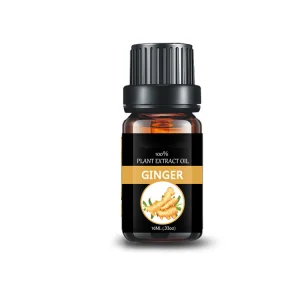
Ginger Flower Oil (Zingiberol Rich Extract)
Explore Product -
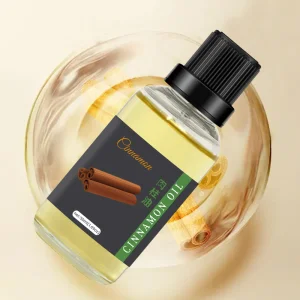
Wholesale 25KG Cinnamon Oil Bulk (100% Pure Natural)
Explore Product -
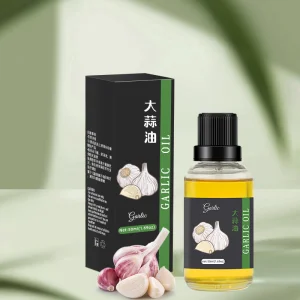
CE Certification Natural Garlic Oil (High Allicin Content)
Explore Product -
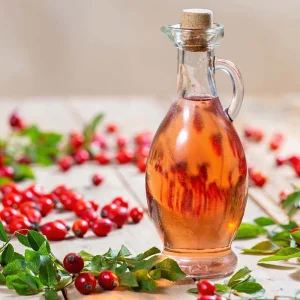
Rosehip Seed Oil (Omega-3, 6, 9 & Vitamin Complex)
Explore Product -
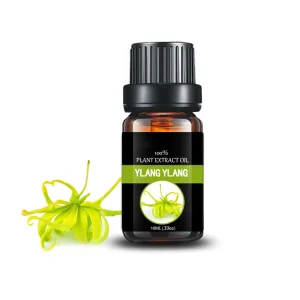
Ylang Ylang Essential Oil (Cosmetic & Perfumery Grade)
Explore Product -
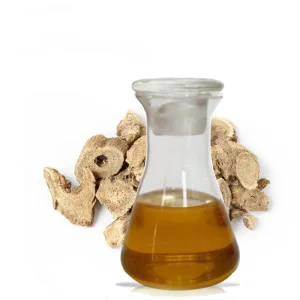
Wholesale Factory Price Costus Root Essential Oil
Explore Product -
High-Purity 98% Thymol Crystals Powder (CAS 89-83-8)
Explore Product -
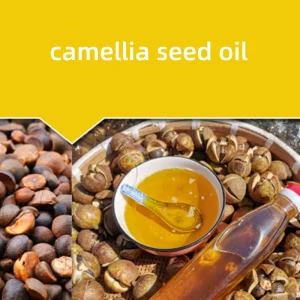
Cold-Pressed Organic Camellia Seed Carrier Oil
Explore Product
Engineering High-Potency Cinnamon Bioactives for Advanced Dermatological Applications
In modern dermatological formulation, cinnamon essential oil—derived either from the inner bark of Cinnamomum verum (Ceylon cinnamon) or Cinnamomum cassia—represents one of the most potent, pharmacologically active botanical matrices known to cosmetic science. Far beyond its traditional use as an olfactory agent, high-titer cinnamon essential oil functions as a robust transdermal circulation stimulant, broad-spectrum antimicrobial preservative booster, and cellular antioxidant catalyst.
Microbiome Regulation & Cutibacterium Acnes Control
Trans-cinnamaldehyde (3-phenylprop-2-enal) exerts disruptive pressure on bacterial lipid membranes. Clinical research demonstrates that cinnamon bark extract provides minimum inhibitory concentration (MIC) values as low as 0.05% against Cutibacterium acnes (formerly Propionibacterium acnes) and Staphylococcus epidermidis, making it a critical clean-label active in targeted clarifier serums.
MIC ≤ 0.05% w/v VerifiedCollagen Biosynthesis & Fibroblast Proliferation
Scientific assays indicate that dilute cinnamaldehyde elevates the expression of Collagen Type I mRNA in dermal fibroblasts via the activation of downstream kinase signaling pathways. This transcriptional upregulation mitigates photoaging and structural tissue thinning, providing restorative resilience without synthetic retinoid irritancy.
Col-I mRNA Expression EnhancementMicro-Vascular Stimulation & Skin Warming Mechanics
The bioactive aromatics of cinnamon bind transient receptor potential ankyrin 1 (TRPA1) ion channels in cutaneous nerve fibers, initiating localized capillary dilation. This mechanism drastically accelerates local micro-circulation, clearing interstitial cellular waste and reviving dull, oxygen-starved epidermal zones.
TRPA1 Agonist ActivityGlobal Supply Chain Realities: Bark vs. Leaf Distillates & Sourcing Security
Procuring cinnamon essential oil for cosmetic and dermatological manufacturing requires rigorous differentiation between anatomical origins, chemotypic profiles, and harvest geographies. The commercial ecosystem frequently obfuscates the boundary between Cinnamomum cassia and true Cinnamomum verum, as well as leaf versus bark extractions.
The Industrial Chemotype Matrix: Selecting the Precise Raw Material Grade
A procurement department evaluating cinnamon essential oil must align raw material chemistry with regulatory constraints and end-use clinical targets. Cinnamon leaf distillates are heavily dominated by Eugenol (70–85%), delivering a spicy, clove-like aromatic profile with mild anesthetic and broad antioxidant behavior. Conversely, cinnamon bark oil is concentrated with trans-Cinnamaldehyde (65–85%), which delivers profound warming, antimicrobial, and skin-reddening properties.
| Botanical Source | Plant Fraction | Primary Active Bioactive | Assay Benchmark (GC) | IFRA 51st Leave-On Cap | Primary Clinical / Cosmetic Indication |
|---|---|---|---|---|---|
| Cinnamomum verum (Ceylon) | Dried Inner Bark | trans-Cinnamaldehyde | 65.0% – 78.0% | 0.05% Max | Targeted anti-acne spot serum, thermal massage balms, anti-cellulite oils |
| Cinnamomum verum (Ceylon) | Mature Green Leaves | Eugenol | 72.0% – 85.0% | 0.50% Max | Antioxidant preservative boosting, skin-barrier revitalizing serums |
| Cinnamomum cassia (Chinese) | Barks & Twigs | trans-Cinnamaldehyde + Coumarin | 80.0% – 92.0% | 0.05% Max | Deep-tissue warming liniments, antifungal body washes, scalp stimulators |
| Isolated Fraction | Rectified Natural Fraction | Natural trans-Cinnamaldehyde | ≥ 98.0% Pure | Strict Formulation | Standardized pharmaceutical topical synthesis, natural preservative matrix |
Origin Sourcing & Terroir Resilience
Our extraction hubs leverage geographically certified cultivations in southern China and southeast Asia. By monitoring seasonal rainfall, soil acidity, and inner bark peeling cycles, we minimize batch-to-batch volatility. Standardizing agricultural parameters guarantees that commercial clients avoid dramatic shifts in active cinnamaldehyde-to-coumarin ratios.
Supply Chain Security & Anti-Adulteration Assays
Due to the high valuation of pure cinnamon essential oil, market streams are frequently contaminated with synthetic petrochemical cinnamaldehyde or cut with industrial glycols. We deploy chiral capillary GC and Carbon-14 isotopic ratio mass spectrometry (IRMS) to unequivocally certify 100% botanical authenticity for global export consignments.
Localization Support & Global Compliance Assurance
Exporting high-potency cinnamon essential oil into heavily regulated personal care markets across North America, the European Union, Japan, and the ASEAN territory requires an ironclad technical dossier. As an authorized cGMP manufacturer, Baicao provides comprehensive documentation aligned with global cosmetic oversight bodies.
IFRA 51st Amendment
Full conformance documentation detailing maximum permitted dermal concentration levels across all 11 product categories, preventing contact dermatitis and phototoxic episodes.
Category 5A & 5B CertifiedEU Cosmetic Regulation (EC) 1223/2009
Complete Allergen Breakdown declarations for Cinnamal, Eugenol, Benzyl Benzoate, and Linalool, directly facilitating EU Cosmetic Product Notification Portal (CPNP) safety dossiers.
Full Allergen Profile IncludedUS FDA MoCRA Alignment
Facility registration, process validation, Good Manufacturing Practices (ISO 22716), and safety assessment dossiers supporting seamless US FDA compliant import clearings.
MoCRA Product Listing ReadyToxicological & Safety Pack
Comprehensive SDS conforming to GHS Revision 9, Certificate of Analysis (COA) per production lot, heavy metal screenings, pesticide residue analyses, and BSE/TSE statements.
Zero Synthetic PhthalatesDermal Formulation Paradigms: Advanced Application Scenarios
Because pure cinnamon essential oil is a powerful rubefacient and dermal sensitizer at elevated concentrations, formulating with this bioactive demands precision engineering, specialized carrier lipophiles, and micro-dilution technologies.
Targeted Clarifying Clarifiers & Blemish Serums
Dosing Threshold: 0.01% – 0.03% w/w in non-comedogenic carrier matrix.
Synergistic Carriers: Squalane, Jojoba Seed Oil, Rosehip Seed Oil.
Bio-Action: Penetrates the pilosebaceous follicle, lysing bacterial cell envelopes while controlling excess sebum oxidation without the chronic skin-barrier stripping associated with benzoyl peroxide.
Thermal Anti-Cellulite & Body Sculpting Emulsions
Dosing Threshold: 0.08% – 0.15% w/w for rinse-off or localized body creams.
Synergistic Carriers: Sweet Almond Oil, Camellia Seed Oil, Caffeine Liposomes.
Bio-Action: Induces controlled micro-hyperemia, promoting localized lymphatic drainage and oxygenation to adipose-dense subcutaneous connective tissues.
Scalp Follicle Activating & Thickening Tonics
Dosing Threshold: 0.02% – 0.05% w/w in hydro-alcoholic or light lipid bases.
Synergistic Actives: Rosemary Extract (Rosmarinic Acid), Peppermint Essential Oil.
Bio-Action: Re-awakens dormant hair papilla vessels by invigorating cutaneous nutrient delivery, halting micro-inflammation that contributes to premature miniaturization.
Next-Generation Processing: Technology Roadmap & Bio-Delivery Systems
The botanical skin active sector is moving rapidly toward stabilized nanocarriers, supercritical green extractions, and targeted release kinetics. Here is our engineering development horizon for cinnamon bioactive derivatives.
Supercritical CO2 Sub-Fractionation
Replacing traditional prolonged steam distillation with low-temperature supercritical CO2 extraction. Eliminates thermal degradation of heat-sensitive phenylpropanoids while selectively stripping coumarin to ultra-trace levels (<10 ppm).
Cyclodextrin Molecular Encapsulation
Complexing lipophilic cinnamaldehyde molecules within hydrophobic cavities of beta-cyclodextrin. Substantially lowers immediate dermal stinging sensations while extending bioactive release across a sustained 12-hour window.
Solid Lipid Nanoparticle (SLN) Carriers
Engineering sub-100nm biodegradable lipid nanoparticles engineered to penetrate the stratum corneum barrier without irritating viable epidermal cells, targeting deep follicular reservoirs.
Enzymatic Green Biocatalysis
Using enzymatic biocatalysis to selectively glycosylate key cinnamon terpenes, turning them into completely non-irritating water-soluble skin actives that unleash free cinnamaldehyde upon skin microbiome contact.
Frequently Answered Formulation & Commercial Inquiries
Detailed guidance for chemical procurement executives, cosmetic regulatory managers, and product formulation researchers.
What is the definitive safety threshold for cinnamon essential oil in leave-on facial skincare?
According to the International Fragrance Association (IFRA) 51st Amendment Standards for Category 5B (leave-on facial moisturizers applied with hands), trans-cinnamaldehyde content must not exceed 0.05% in the final cosmetic formulation due to potential skin sensitization and contact dermatitis risks. If using a pure cinnamon bark oil containing 75% cinnamaldehyde, the absolute maximum formulation inclusion rate of the raw oil is roughly 0.066% by weight. Formulators often utilize 0.01% to 0.03% to achieve profound clinical efficacy while maintaining safety margins.
How does Baicao Pharmaceutical identify and prevent synthetic cinnamaldehyde adulteration?
Synthetic cinnamaldehyde manufactured via benzaldehyde-acetaldehyde aldol condensation is chemically identical to natural cinnamaldehyde under routine low-resolution GC. However, Baicao employs high-precision gas chromatography coupled with isotope-ratio mass spectrometry (GC-IRMS) and chiral stationary phase capillary columns. Botanical cinnamon displays specific 13C/12C isotopic enrichment ratios and characteristic trace sesquiterpene markers (such as beta-caryophyllene and alpha-humulene) that are completely absent in petrochemical adulterants.
Why is coumarin content a major factor in international cosmetic safety filings?
Coumarin is a naturally occurring secondary metabolite present in substantial amounts in Cinnamomum cassia (often up to 0.5%–1.0%), but in markedly lower levels in Cinnamomum verum (Ceylon cinnamon). The European Union Annex III of the Cosmetic Regulation (EC) No 1223/2009 strictly regulates coumarin due to known hepatotoxic and allergenic risks. Baicao provides batch-specific quantification of residual coumarin via HPLC/GC-MS to assist formulators with regional market dossiers.
What container packaging specifications are used for bulk commercial export?
Pure cinnamon essential oil is an aggressive organic solvent that attacks conventional plastics, low-density polyethylene (LDPE), and standard rubbers. Baicao packages bulk industrial shipments exclusively in UN-certified fluorinated HDPE drums, phenolic-epoxy-lined steel drums (25 kg and 180 kg net weight), or amber laboratory-grade aluminum carboys sparged with pure nitrogen gas to eliminate headspace oxygen and avoid oxidative degradation during maritime freight.
Can cinnamon essential oil function as a standalone natural cosmetic preservative?
While trans-cinnamaldehyde displays exceptional antimicrobial broad-spectrum efficacy against gram-positive and gram-negative bacteria, yeasts, and molds, its regulatory leave-on cap (0.05%) prevents it from serving as a sole broad-spectrum preservative in high-water formulations. However, at 0.01%–0.03%, it acts as a phenomenal preservative booster, substantially lowering the necessary concentration of traditional organic acids (e.g., potassium sorbate, sodium benzoate) or glycols (e.g., caprylyl glycol).
Downstream Phytochemicals: Complementary Cosmetic Raw Materials
Review eight additional specialized plant extracts, rectified isolated aroma compounds, and synergistic therapeutic oils designed to integrate seamlessly into complex dermal and topical product architectures.
-
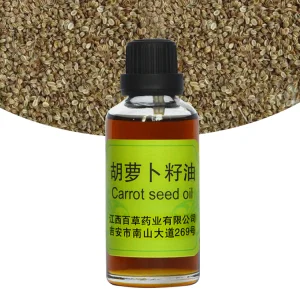
ODM Fragrant Carrot Seed Oil Plant Extract
Explore Product -
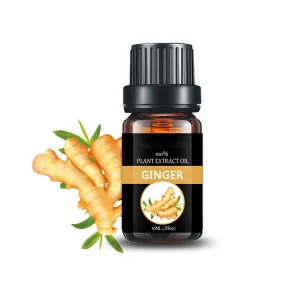
Organic Ginger Root Oil (Therapeutic Massage & Food Grade)
Explore Product -
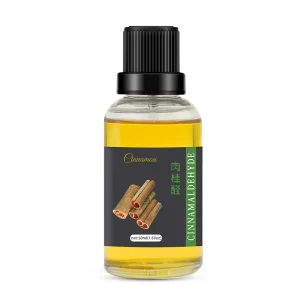
China High Purity 98% trans-Cinnamaldehyde Spices
Explore Product -
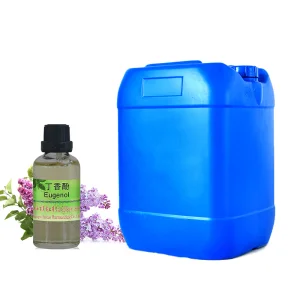
Isolated Eugenol & Methyl Eugenol Bulk Package Factory
Explore Product -
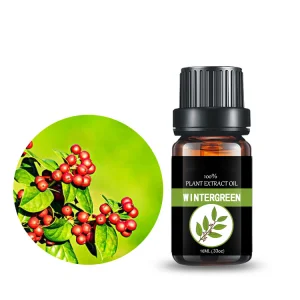
Holly Essential Oil (Wintergreen / Natural Methyl Salicylate)
Explore Product -
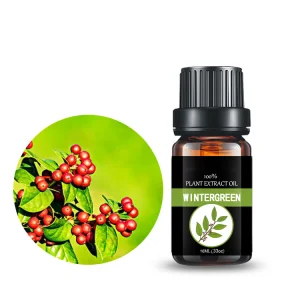
Wintergreen Oil Gaultheria Extract (Methyl Salicylate Base)
Explore Product -
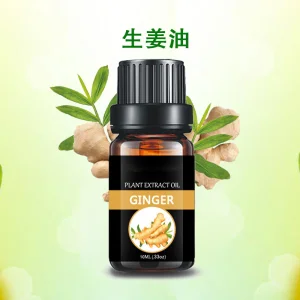
Custom Bulk Ginger Body Massage Warming Oil Formulation
Explore Product -
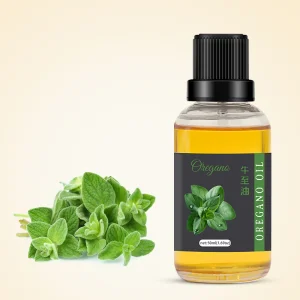
ODM Medicine Grade Bulk Oregano Essential Oil (Carvacrol)
Explore Product