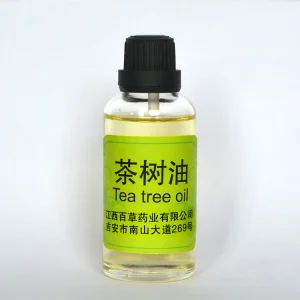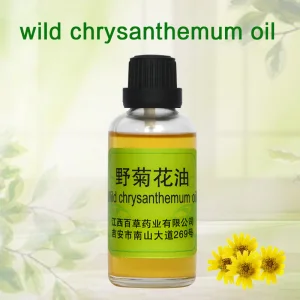
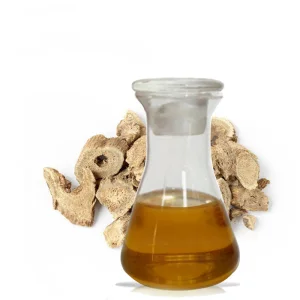
Base Note Fixative
Tested through rigorous Gas Chromatography-Mass Spectrometry (GC-MS) and High-Performance Liquid Chromatography (HPLC) to guarantee zero combustion-syneresis, minimal carbon soot, and optimal fragrance loading.
Analyzing the chemical solubility, vapor pressures, and capillary fluid dynamics governing candle fragrance performance across paraffin, soy, coconut, and microcrystalline wax matrices.
Cold throw performance represents ambient volatility under unlit conditions (20°C to 25°C). Highly volatile top notes (terpenes, light esters, short-chain aldehydes) govern this initial olfactory signature. Achieving continuous cold throw without causing wax curdling or oil sweating (syneresis) requires precise hydrophobic balancing between the lipid chains of vegetable wax and aromatic raw materials.
When the candle wick burns, temperatures in the melt pool reach 50°C to 65°C, while the flame interface exceeds 600°C. Fragrance molecules are drawn upward via capillary action through braided cotton or wood wicks. If aromatic components possess overly low flash points (<65°C), thermal degradation occurs before complete vaporization, causing pungent off-odors and elevated soot generation.
Paraffin wax is non-polar and accommodates a broad spectrum of aromatic synthetics, whereas vegetable waxes (pure soybean, coconut, and beeswax) are semi-polar triglycerides containing ester groups. Scent oils rich in pure polar compounds fail to dissolve smoothly, triggering cloudiness and micro-voids during solid-state cooling. Baicao formulates customized molecular co-solvents to bridge polarity gaps seamlessly.
A prevalent failure mode in mass candle production is "wick drowning" or premature extinction caused by heavy resinoids, unrectified balsams, or insoluble plant extracts. High-viscosity botanicals deposit carbon deposits on the wick tip (mushrooming). Baicao applies vacuum molecular short-path rectification to extract aromatic fractions while eliminating heavy pitch residues, ensuring a pure, soot-free combustion profile across extended burn tests.
Combining vast wild-harvest botanical distillation with industrial synthetic aroma molecule production, China represents the most integrated, cost-efficient, and resilient scent supply chain globally.
Jiangxi Province serves as China's historical epicenter for aromatic crop cultivation, including vast reserves of Pinus massoniana (alpha/beta-pinene), Cinnamomum camphora (natural linalool, borneol), Eucalyptus globulus (1,8-cineole), and wild mountain herbs. By locating manufacturing in the Jinggangshan Economic & Technological Development Area, Jiangxi Baicao extracts raw botanicals within hours of harvest, locking in peak phytochemical freshness and avoiding cross-continental raw shipping degradation.
Unlike Western scent compounding houses that rely on multiple brokers to import synthetic aroma chemicals and isolate botanicals, Chinese manufacturers control end-to-end processing. From primary agricultural harvesting, continuous steam distillation, fractional rectification, and gas chromatography quality clearance to automated liquid compounding, eliminating intermediate distribution margins and reducing unit procurement expenditure by 28% to 45%.
Global fragrance conglomerates often impose rigid minimum batch volumes (e.g., 500 kg to 1 metric ton per SKU) with 12 to 16 week production lead times. Chinese production facilities operate scalable continuous reactors alongside agile pilot units. Baicao accommodates custom perfume-grade compounding from 25 kg pilot orders up to 20-foot full container loads (FCL), fulfilling rapid market iteration cycles for boutique indie candle labels and enterprise retailers alike.
| Evaluation Parameter | Direct Chinese GMP Factory (Baicao) | Western Compound Fragrance Houses | Third-Party Trading Brokers |
|---|---|---|---|
| Raw Material Traceability | Direct origin cultivation logs & batch distillation records | Secondary importer blending data | Fragmented paperwork, unknown primary sources |
| GC-MS / HPLC Verification | Batch-specific in-house lab chromatogram provided with COA | Standard typical specification sheets only | Relies on re-printed manufacturer claims |
| Standard Production Lead Time | 7 - 12 Working Days for standard inventory | 6 - 12 Weeks due to fragmented sourcing | Unpredictable freight dependencies |
| Fragrance Load Capability | Calibrated for 6% - 12% in all commercial wax types | Varies heavily across generic base portfolios | Often cut with solvents (DEP, DPG) reducing hot throw |
| Cost Competitiveness | Factory-direct FOB prices; no intermediary markups | Substantial brand premiums & regional brokerage margins | High compounding markups (30% - 60%) |
Clean burning formulations, non-toxic biogenic fixatives, and cross-sensory functional aromatherapy are redefining global consumer demands.
Consumer sentiment has irrevocably shifted toward clean-burning, non-carcinogenic room perfumery. Scent manufacturers must eliminate Diethyl Phthalate (DEP), nitro-musks, and suspected endocrine disruptors. Premium candle formulas are engineered strictly under Prop 65 non-warning thresholds, replacing synthetic phthalate plasticizers with clean bio-based dipropylene glycol (DPG-LO) alternatives.
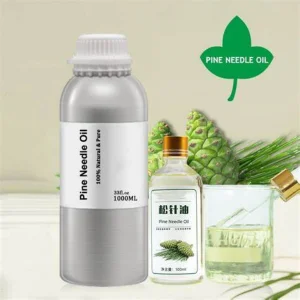
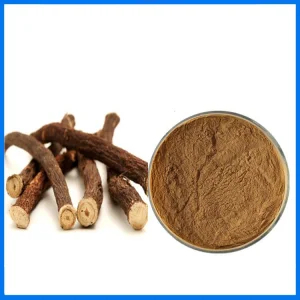
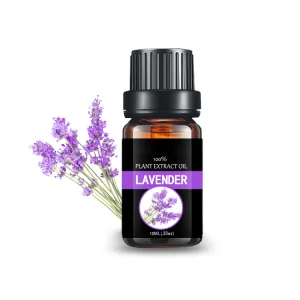
While 100% natural essential oils offer therapeutic appeal, their volatile top notes rapidly combust, leading to weak hot throw and scorching notes. The frontier of high-end candle chemistry lies in hybrid molecular engineering: blending pharmaceutical-grade botanical extracts (costus root, pine needle, lavender, clary sage) with thermally resilient synthetic molecules (Ambroxan, Iso E Super, Hedione) for unparalleled diffusion range.
Modern luxury candles are no longer solely decorative home accessories; they serve as wellness instruments. Global brands are formulating scented oils with neuro-olfactory validation—utilizing compounds rich in linalool, 1,8-cineole, and sesquiterpenes proven to down-regulate sympathetic nervous system markers, alleviate stress, enhance focus, or facilitate circadian relaxation.
Formulating high-performance aroma concentrates tuned specifically to the rheology, capillary draw, and thermal parameters of various home fragrance carriers.
Tailored for pure soy wax (GW 464, C-3), coconut-apricot wax, and paraffin blends. High fragrance oil load capacity (up to 10% - 12%) without surface cracking, sweating, or tunneling. Balanced surface tension promotes an even, circular melt pool that releases middle and base notes within 20 minutes of ignition.
Designed for higher melting point pillar wax and tart bases (melt range 55°C - 62°C). Since wax melts operate on indirect electric or tea-light warmers, these fragrance blends emphasize continuous hot throw stability over 72+ cumulative heating hours without rapid scent exhaustion.
Formulated with ultra-low viscosity organic carriers (Augeo Clean Multi, Dowanol DPM) to enable seamless upward wicking through high-density synthetic fiber and natural rattan reeds. Prevents molecular clogging of pore channels, ensuring uniform cold room diffusion for 90 to 120 days.
Automobile interiors experience rapid temperature spikes (-10°C to +65°C under direct sunlight). Baicao's automotive fragrance oils utilize ultra-stable, non-corrosive synthetic fixatives that will not degrade dashboard polycarbonates or evaporate excessively during thermal peak cycles.
Navigating the intricate regulatory landscapes of North America and the European Union while locking in consistent supply stability and batch reproducibility.
Every commercial production batch ships accompanied by an uncompromised regulatory compliance pack: IFRA 51st Amendment Certificate of Conformity, 16-section GHS Safety Data Sheets (SDS), EU CLP compliant allergen declarations (covering the 56 extended European fragrance allergens), and Article 33 REACH compliance statements.
Jiangxi Baicao's in-house testing facility runs dual Agilent 7890B Gas Chromatographs coupled with 5977A Mass Selective Detectors (GC-MS) alongside Waters Arc HPLC systems. We retain reference samples from every industrial lot for 24 months, ensuring comprehensive retrospective verification in case of client QA audits.
Fragrance oils containing volatile terpenes require stringent shipping protocols. We supply UN-certified fluorinated HDPE drums (25 kg), phenolic-lined steel drums (180 kg/200 kg), and 1,000 kg Intermediate Bulk Containers (IBCs). Packed with nitrogen head-space purging to eliminate dissolved oxygen and prevent transit oxidation.
Precise answers addressing flash point management, wax compatibility ratios, regulatory clearances, and bulk supply economics.
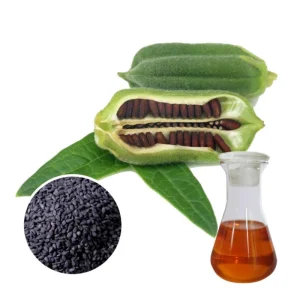
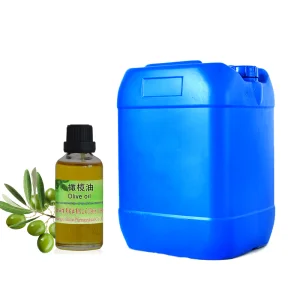
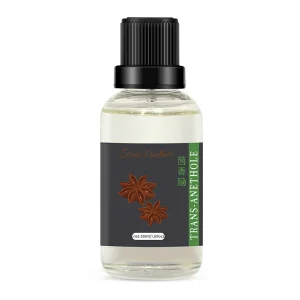
Specialized botanical bases, cooling modifiers, and high-purity carrier diluents engineered for premium candle wax formulations, diffuser bases, and aromatic body care applications.