Standard Botanical Distillates & Concentrates
Direct industrial-scale batches distilled under GMP conditions, certified with comprehensive GC-MS and HPLC validation packages.
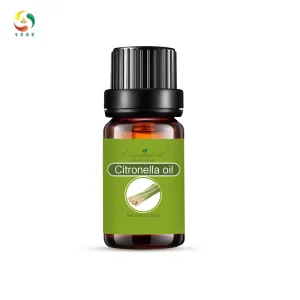
CE Certification Citronella Oil for Cosmetics Product Natural Fragrance Essential Oil Factories, Exporters
Request Technical Quote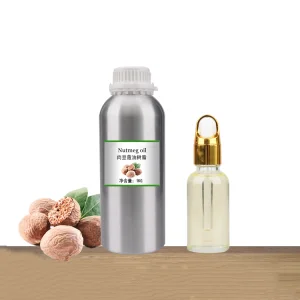
OEM 100% Pure Natural Nutmeg Oil Myristica Fragrans Kernels Steam Distilled | Bulk Price 1kg Supplier, Factories
Request Technical Quote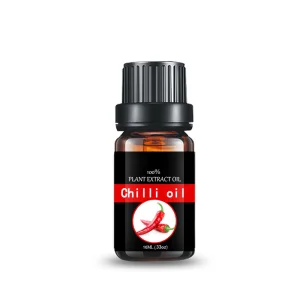
Best Capsaicine Pepper Extract Chili oil for food flavor Manufacturers, Service
Request Technical Quote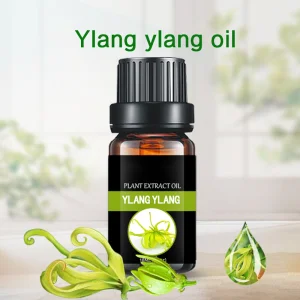
OEM Jiangxi factory wholesale ylang ylang essential oil exports Factories, Service
Request Technical Quote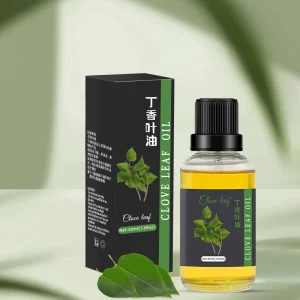
ODM 100% Natural Pure Organic Clove Leaf Oil Clove Essential Oil Supplier, Quotes
Request Technical Quote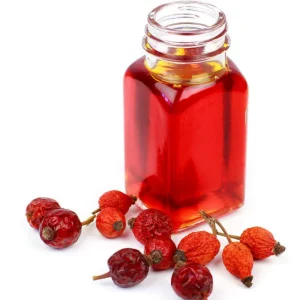
Custom Pure Natural Rose Hip Seed Oil Bulk Carrier Oil Pricelist, Product
Request Technical Quote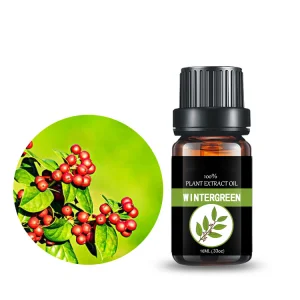
High-Quality Holly essential oil manufacturers Wintergreen oil methyl salicylate Suppliers, Company
Request Technical Quote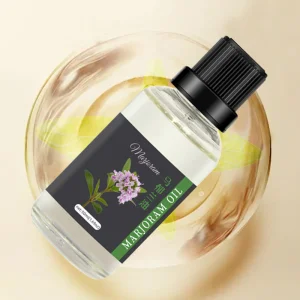
Wholesale OEM Bulk Wholesale 100% Sweet Marjoram Oil Pure Marjoram Oil Price Pricelist, Exporter
Request Technical QuoteThe Global Industrial Landscape & Factory Quote Architecture
Understanding price formation, volatile market indices, and cost drivers across major global cultivation belts.
In high-purity botanical chemistry, sourcing 100% Pure Natural Peppermint Oil requires a deep understanding of botanical speciation, geographic harvest cycles, and fractional isolation technology. Global procurement hinges primarily between two primary botanical cultivars: Mentha piperita (commonly recognized as True or English Peppermint, predominantly cultivated in the United States and select European micro-climates) and Mentha arvensis (Cornmint or Field Mint, with massive agricultural hubs situated in Northern India and Central China). While Mentha piperita commands a higher price in perfumery and traditional confection due to its smooth, low-pulegone ester profile, Mentha arvensis acts as the industrial foundation for natural L-menthol isolation and large-scale dementholized peppermint oil (DMO).
Factory quotes for bulk peppermint oil are influenced by raw herb biomass yields, steam generation fuel indices, solvent-free rectification capacity, and international inventory buffers. Pricing typically breaks into three tiers: spot purchasing, quarterly volume indexing, and annual fixed supply agreements. Procurement directors face constant volatility driven by regional monsoons, agrochemical testing mandates, and energy costs. The table below represents commercial pricing parameters and factory quote mechanics across global export hubs:
| Commercial Grade | Botanical Source | Typical L-Menthol Assay | Key Export Terminals | Reference Quote Range (FOB/kg) | Standard Minimum Order (MOQ) |
|---|---|---|---|---|---|
| Natural Peppermint Oil (Ph. Eur/USP) | Mentha piperita L. | 32.0% – 49.0% | Seattle / Rotterdam / Shanghai | $48.00 – $68.00 | 180 kg (Standard Drum) |
| Dementholized Peppermint Oil (DMO) | Mentha arvensis | 30.0% – 45.0% | Shanghai / Ningbo / Nhava Sheva | $18.50 – $26.00 | 1,000 kg (IBC Tote / Multi-drum) |
| Triple-Rectified Premium Mint | Mentha piperita / arvensis blend | ≥ 50.0% Standardized | Ji'an / Shanghai | $28.00 – $38.00 | 500 kg |
| Natural L-Menthol Crystals (USP) | Mentha arvensis crystallized | ≥ 99.2% Purity | Guangzhou / Mundra / Qingdao | $19.00 – $24.50 | 500 kg (Fiber Drums) |
Industrial Sourcing Notice: Unmasking Synthetic Adulteration
Due to raw pricing differentials between authentic botanical distillates and synthetic alternatives (such as petroleum-derived dl-menthol synthesized via m-cresol or thymol), global B2B buyers must implement 14C carbon radiocarbon dating and chiral GC-MS analysis. Authentic 100% pure peppermint oil must demonstrate exclusively natural (1R,2S,5R)-(-)-menthol optical isomers with no unnatural racemic by-products.
Chromatographic Fingerprinting & Pharmacopeial Monograph Criteria
Analytical protocols defining true botanical authenticity, thermal fractionation thresholds, and critical impurity barriers.
L-Menthol Fractionation
Acting as the key organoleptic driver, natural L-menthol provides the characteristic cooling sensation via TRPM8 neuro-sensory channel activation. Standardized pharma profiles demand 30% to 55% menthol without artificial enrichment.
Menthone & Isomenthone
Menthone typically ranges between 14.0% and 32.0%, while isomenthone is kept between 1.5% and 10.0%. Balanced ketone ratios prevent harsh, pungent, or overly bitter sensory profiles in final flavor and cosmetic formulations.
Menthyl Acetate Balancing
Accounting for 2.8% to 10.0% of the total fraction, natural menthyl acetate imparts the fruity, herbal, and sweet undertone essential to high-end oral care, preventing the dry, harsh burn common in low-grade distillates.
Menthofuran Suppression
A critical marker for adulteration or improper distillation. High-grade food and cosmetic specifications require menthofuran to remain strictly below 1.0% to 4.0% to avoid harsh liver-toxic metabolites and off-flavors.
Pulegone Regulatory Limits
Regulated heavily by the European Medicines Agency (EMA) and IFRA standards, natural pulegone concentration must be suppressed below 1.0% (ideally <0.5%) via high-vacuum rectification to guarantee consumer safety.
1,8-Cineole Compatibility
Present between 3.5% and 8.0%, 1,8-cineole (eucalyptol) lends refreshing, sinus-opening characteristics. Excessive concentrations indicate potential cross-contamination with eucalyptus or cornmint tailing fractions.
China Factory Ecosystem: Scalable Distillation & Supply Chain Integrity
How modernized Chinese pharmaceutical manufacturing infrastructure delivers uninterrupted supply security and batch-to-batch consistency.
In global botanical supply chains, procurement resilience is determined by raw herb inventory buffers, vertical extraction capacity, and automated quality assurance. Jiangxi Baicao Pharmaceutical Co., Ltd. operates from a centralized 28,600 m² production complex located in the Jinggangshan Economic & Technological Development Area, Ji'an City, Jiangxi Province. This ecosystem integrates two distinct manufacturing workshops: one dedicated exclusively to steam and fractional distillation of natural essential oils across six automated processing lines, and a second facility running six specialized lines for high-purity botanical extract powders.
Chinese production infrastructure combines agricultural proximity with industrial-scale engineering. While traditional farming centers focus on seasonal primary distillation, Baicao Pharmaceutical applies advanced industrial vacuum fractional distillation. This secondary rectification process isolates specific boiling-point cuts, effectively eliminating heavy volatile sulfur off-notes, hazardous pulegone fractions, and pesticide residues. Through closed-loop DCS (Distributed Control Systems), column temperatures, reflux ratios, and vacuum levels are monitored in real time, preventing thermal degradation of delicate monoterpenols.
Strict GMP Isolation
Isolated extraction zones eliminate physical cross-contamination risks between pungent essential oils (such as garlic, chili, and clove) and delicate menthol aromatic cuts.
In-House GC-MS & HPLC
Factory-direct laboratory verification on Agilent GC-MS and Shimadzu HPLC systems guarantees that internal Certificates of Analysis (COA) match real shipment chemistry.
Massive Drum Buffers
Maintaining permanent strategic safety stocks in nitrogen-blanketed stainless steel tanks mitigates spot-price surges and shipping transit disruptions for enterprise contract buyers.
Full Export Compliance
Ready documentation packages including UN-certified packaging specs, MSDS, technical specifications, allergen statements, Kosher, and Halal certifications.
Cross-Industry Localized Application Scenarios
Deploying 100% natural peppermint oil across precision industrial, pharmaceutical, and high-performance commercial manufacturing.
Oral Healthcare & Dentifrice
Used extensively in premium toothpastes, antibacterial mouthwashes, and sublingual breath sprays. The natural L-menthol component reduces oral volatile sulfur compounds (VSC) while delivering a persistent cooling impact without damaging oral epithelial tissues.
Topical Pharma & Counter-Irritants
In sports analgesics, transdermal patches, and therapeutic rubs, peppermint oil acts as a penetration enhancer and topical analgesic. Menthol stimulates cold-sensitive TRPM8 receptors to deliver counter-irritant pain relief for deep muscular aches.
Confectionery & Clean-Label Flavoring
In chewing gums, compressed mints, and beverage systems, redistilled peppermint oil provides crisp sensory notes without bitter phenolic aftertastes. Its volatile organic profile maintains thermodynamic stability through hard-candy cooking temperatures exceeding 130°C.
Scalp Therapeutics & Hair Care
Dermatological studies show micro-dosed peppermint oil (1% to 3%) stimulates follicle dermal papilla vascularization, promoting anagen phase growth. Natural terpene profiles provide mild sebum-regulating and clarifying properties in salon formulations.
Agritech & Green Biopesticides
Due to octopaminergic neurochemical disruption in invertebrates, bulk peppermint oil serves as a non-toxic botanical insecticide, mite repellent, and greenhouse fumigant, compliant with certified organic agricultural programs.
Industrial Odor Neutralization
High volatility allows vaporized peppermint oil cuts to interact with gaseous sulfur and amine emissions in industrial scrubbing systems, neutralizing unpleasant process emissions in wastewater and recycling facilities.
Technical Roadmap: Supercritical Fluid Extraction & AI Analytics
Advancing botanical processing through green thermodynamic extraction, in-line NIR monitoring, and molecular fraction control.
The extraction of 100% pure peppermint oil is evolving from traditional atmospheric steam distillation toward closed-loop, thermodynamic fractionation. Conventional field distillation risks thermal decomposition of fragile monoterpene esters (such as menthyl acetate) and can create burnt artifacts. The industrial roadmap focuses on three technological shifts: Supercritical Carbon Dioxide (scCO2) extraction, multi-stage falling-film molecular distillation, and AI-assisted in-line Near-Infrared (NIR) spectroscopic quality loops.
Supercritical scCO2 Extraction
Operating at low temperatures (31.1°C critical temp, 73.8 bar pressure), scCO2 eliminates solvent residues while preserving fragile top-note volatile esters. The resulting extracts exhibit identical olfactory profiles to living peppermint foliage.
In-Line NIR Spectral Auditing
Real-time near-infrared sensors deployed inside continuous fractionation columns measure menthol, menthone, and pulegone concentrations instantly, automatically adjusting reflux valves to maintain monograph purity within ±0.2% tolerance.
Green Closed-Loop Distillation
Recapturing residual condenser heat and recycling condensed boiler steam cuts carbon intensity by over 40%. The spent biomass cake is converted into organic fertilizer or biosorbent fuel, closing the plant-to-extract energy loop.
Regulatory Assurance & Localized Market Documentation
Streamlining customs clearance and pharmaceutical product filings across North America, Europe, and Asia-Pacific.
Procuring natural essential oils for global pharmaceutical or food production requires meticulous compliance documentation. Cross-border ingredient transport faces stringent scrutiny regarding pesticide residues, solvent traces, heavy metals, and flash-point hazardous shipping declarations (UN 1169 / UN 1197). Jiangxi Baicao Pharmaceutical provides end-to-end regulatory support with batch-specific documentation for global compliance:
EU REACH & IFRA 51st
Full REACH compliance documentation covering EU chemical import limits, accompanied by IFRA-compliant Certificates of Fragrance Safety delineating maximum safe dosage limits across all 11 application categories.
US FDA GRAS & DMF
Listed as Generally Recognized as Safe (21 CFR § 182.20) for food and flavoring applications, backed by Drug Master File (DMF) technical packages supporting OTC topical drug registrations.
Religious & Clean-Label
Certified Kosher Pareve and Halal batch certifications. Audited Non-GMO origin declarations, vegan certification statements, and complete absence of animal-derived components (BSE/TSE-free).
Frequently Asked Technical Questions
Key analytical criteria, minimum order volumes, shipment preservation, and testing protocols explained by distillation chemists.
What differentiates Mentha piperita from Dementholized Mint Oil (DMO) commercially?
How does Baicao Pharmaceutical verify authenticity against synthetic menthol dilution?
What are the standard industrial packaging specs and container lead times?
Can Baicao customize the menthol-to-menthone ratio via vacuum rectification?
What is the shelf life, and what storage parameters prevent terpene degradation?
What analytical documentation is supplied with every export shipment?
Standard Carrier Oils, Isolates & Concentrates
Direct-from-factory cosmetic, pharmaceutical, and aroma grade plant extracts manufactured under ISO 9001 and GMP controls.
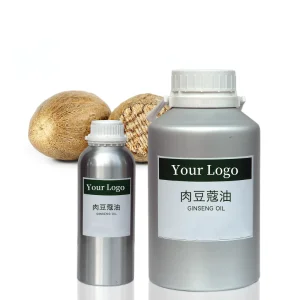
Famous Factory Supply Food Grade Nutmeg Fragrance Oil for Flavor Supplier, Quotes
Request Technical Quote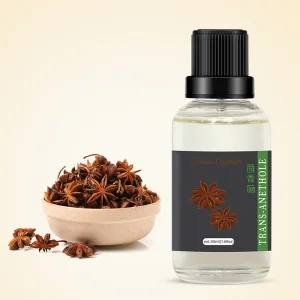
CE Certification Anisole/cis-Anethole CAS 104-46-1 China Factory Bulk Price Company, Companies
Request Technical Quote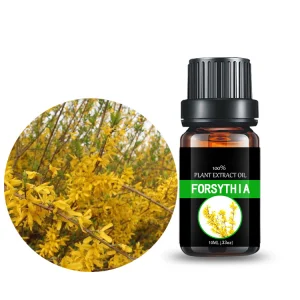
Famous CAS NO. 68917-49-7 wholesale Weeping Forsythia Oil Pricelist, Company
Request Technical Quote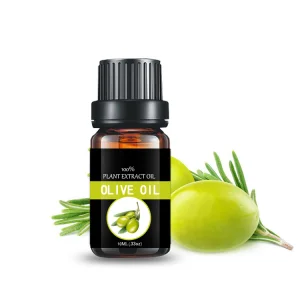
CE Certification Factory Supplier Cold Pressed Pure Extra Organic Olive Oil Essential oil Exporter, Company
Request Technical Quote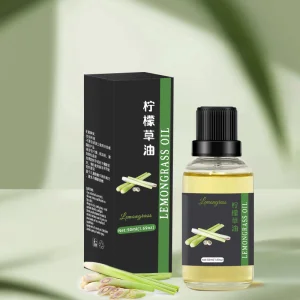
Cheap Bulk Price Lemongrass Oil 100% Natural For Skincare Massage Aromatherapy Pricelist, Products
Request Technical Quote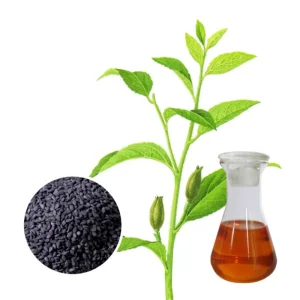
Buy Wholesale Bulk Price Cold Pressed Refined Pure Natural Organic Pure Sesame Seed Oil Supplier, Exporter
Request Technical Quote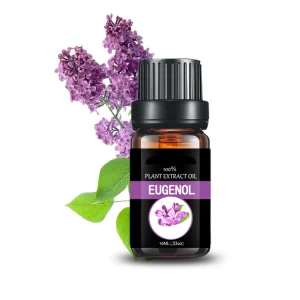
Famous Essential oil kits of Eucalyptus Lavender Peppermint Clove Rosemary Manufacturers, Pricelist
Request Technical Quote
China Pure essential lmassage oil wholesale Spa borage seed oil Exporters, Service
Request Technical QuoteRequest Factory Direct Peppermint Oil Quotes
Contact our technical export division for batch-specific GC-MS chromatograms, pharmacopeial monographs, safety dossiers, and volume pricing contracts.