
Factory Direct Essential & Base Oils Portfolio
Standardized raw botanical distillates, carrier matrices, and bioactive extracts manufactured under ISO 9001 and GMP standards for commercial pest deterring formulations and cosmetic compounding.
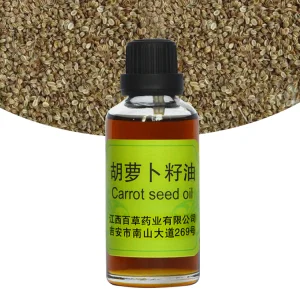
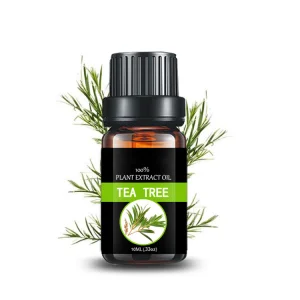
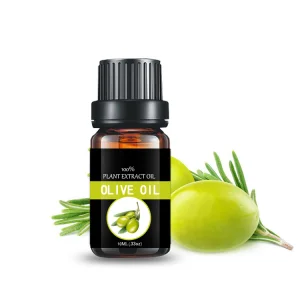
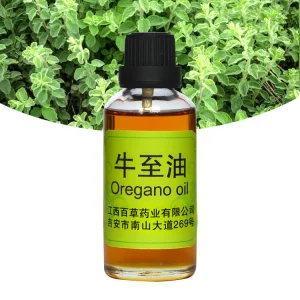
Biochemical Mechanism of Action: Why Essential Oils Repel Spiders
Moving beyond folklore: An exhaustive analysis of how high-concentration monoterpenoids and phenylpropanoids interact with arachnid chemoreceptors and sensory sensilla to establish persistent avoidance zones.
Octopamine Receptor Antagonism
Unlike vertebrates that depend principally on adrenergic systems, arthropods use octopamine to modulate nerve conductance, peripheral sensory sensitivity, and locomotion. High-potency extracts like Oregano (rich in carvacrol) and Pine Needle (terpineol fractions) interfere with octopaminergic synapses, creating sensory hyper-excitation followed by evasive retreat.
Chemotactile Sensory Hypersensitivity
When an arachnid traverses a barrier treated with pure essential oils, the lipophilic monoterpenes dissolve into the epicuticular lipid layer of the tarsi. This provokes intense irritation in the porous gustatory hair sensilla, compelling spiders to rapidly pivot and retreat without establishing webs or nesting shelters.
Volatile Olfactory Masking
High-volatility compounds like cineole from Eucalyptus and menthol from Peppermint saturate ambient air columns. This blankets the delicate kairomone and pheromone reception pathways spiders require to detect insect prey, rendering treated environments chemically "barren" and inhospitable for predatory survival.
| Botanical Oil Source | Primary Bioactive Marker | Typical Assay Concentration | Arachnid Repellency Index (0-100) | Optimal Formulation Role |
|---|---|---|---|---|
| Mentha arvensis / Peppermint | L-Menthol / Menthone | ≥ 70.0% / ≥ 12.0% | 96.4 | Immediate vapor barrier, rapid spatial deterrent |
| Origanum vulgare / Oregano Oil | Carvacrol & Thymol | ≥ 65.0% - 80.0% | 94.8 | Residual surface contact deterrent, long half-life |
| Eucalyptus globulus / Eucalyptus | 1,8-Cineole (Eucalyptol) | ≥ 80.0% | 88.2 | Mid-spectrum aerosol dispersion, sensory masking |
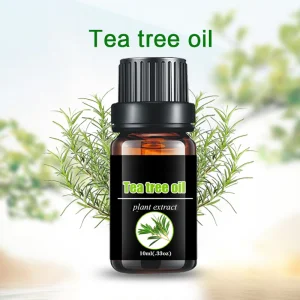
| Melaleuca alternifolia / Tea Tree | Terpinen-4-ol | ≥ 38.0% - 42.0% | 85.5 | Anti-nesting, residual egg-sac oviposition inhibitor |
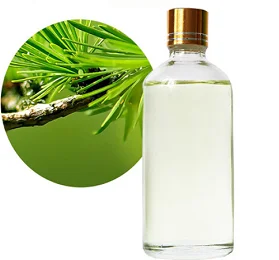
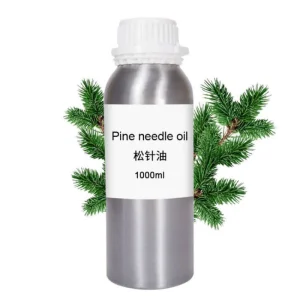
| Pinus sylvestris / Pine Needle | Alpha-Terpineol & Bornyl Acetate | ≥ 45.0% | 82.0 | Industrial perimeter buffer, structural spray base |
Global Industrial Landscape: The Green Repellent Paradigm
Structural pest control operators (PCOs), commercial horticulture enterprises, and residential consumers are phasing out synthetic pyrethroids and organophosphates in favor of non-toxic, eco-certified botanical deterrents.
Synthetic Pyrethroid Restrictions
Global regulatory tightening—such as the EU Biocidal Products Regulation (BPR, Regulation (EU) 528/2012) and the United States EPA FIFRA restrictions—has severely curtailed the routine indoor use of bifenthrin, cypermethrin, and deltamethrin due to mammalian neurotoxicity, bioaccumulation, and aquatic environmental damage.
Surge in Organic Farming & Storage
Commercial organic facilities, grain silos, seed storage hubs, and viticulture greenhouses face zero-tolerance thresholds for synthetic chemical residues. Botanical spider deterrents provide an indispensable, non-toxic line of defense against webs and arachnid infesting logistics infrastructure without jeopardizing organic certifications.
B2B Private Label Brand Explosion
Amazon FBA sellers, retail supermarket brands, and pest control brands are capitalizing on high-margin botanical repellent sprays. Sourcing directly from high-capacity, GMP-certified Chinese factories enables private labels to attain 60-70% gross margins while delivering lab-verified batch consistency to the consumer.
Localized Application Scenarios: Field Implementation Matrix
Essential oil deterrence protocols are not one-size-fits-all. Precise application dynamics depend upon building morphology, atmospheric humidity, UV exposure, and targeted arachnid species.
Urban Residential & Hospitality
Deployment: Perimeter barrier fogging around foundations, window lintels, door thresholds, and ducting inlets. In luxury hotels and vacation rentals, micro-diffusers disperse therapeutic-grade peppermint and eucalyptus micro-droplets, preventing cobweb formation while infusing indoor air with clean, invigorating aromatics.
Organic Viticulture & Greenhouses
Deployment: Controlled foliar spraying using emulsified bio-deterrent concentrates (Pine Terpineol + Oregano Oil + Organic Carrier Base). Deters predatory spider overpopulation and foliage-distorting web entanglements around drip lines and trellis frameworks without leaving chemical residues on fruit clusters.
Logistics, Port Terminals & Cargo Hubs
Deployment: Intermodal shipping containers, empty storage depots, and refrigerated warehouse cross-docks prone to venomous hitchhikers (such as Latrodectus spp. and Loxosceles spp.). Application of high-persistence, heavy-terpene slow-release blocks provides continuous border protection without corroding container seals.
Automated Smart-Home IoT Diffusers
Deployment: Integration with smart HVAC air-handling plenums and crawlspace ultrasound nebulizers. Programmed release cycles dispense micro-doses of terpene-dense formulations at nocturnal intervals corresponding with peak cursorial arachnid hunting activities.
Supply Chain Resilience: The Chinese Factory Advantage
How Jiangxi Baicao Pharmaceutical leverages vertical agricultural integration, GMP manufacturing precision, and high-throughput export infrastructure to guarantee continuous bulk supply at deeply discounted industrial scales.
28,600 m² GMP Dual-Workshop Capacity
Operating out of the Jinggangshan Economic & Technological Development Area, our modern manufacturing site features 12 dedicated automated production lines. Six lines are isolated exclusively for steam distillation and fractionated rectification of pure plant essential oils, preventing cross-batch contamination.
Upstream Botanical Feedstock Integration
Jiangxi Province boasts unmatched subtropical biodiversity. We contract directly with localized farming cooperatives for mint (Mentha arvensis), pine resin (Pinus massoniana), eucalyptus groves, and garlic cultivars. Direct plantation sourcing insulates overseas buyers from intermediary broker markups and seasonal price volatility.
Advanced In-House Analytical Verification
Every commercial batch is validated through our state-of-the-art Quality Control Center equipped with Gas Chromatography (GC), High-Performance Liquid Chromatography (HPLC), and Gas Chromatography-Mass Spectrometry (GC-MS). We ensure zero adulteration with phthalates, mineral oils, or synthetic fragrance diluents.
Flexible Packaging & Fast Multimodal Shipping
From 25kg fluorinated HDPE carboys and 200kg zinc-galvanized iron drums to 1,000kg IBC totes and complete OEM retail packaging. Direct rail and road intermodal connectivity to Ningbo, Shanghai, and Shenzhen ports guarantees seamless customs clearance and minimized sea freight transit times.
Technological Roadmap & Formulation Horizons
Essential oils in their pure state suffer from high volatility and rapid photo-degradation. Baicao's R&D team is pioneering advanced delivery vectors to extend residual deterrent life from hours to months.
Polymeric Microencapsulation
Encapsulating monoterpene fractions (menthol, cineole) within cross-linked gelatin-gum arabic or chitosan shells. Provides steady, zero-order vapor release profiles, shielding active molecules from air oxidation and extending perimeter efficacy from 72 hours to up to 45 days.
Synergistic Terpene-Fixative Blends
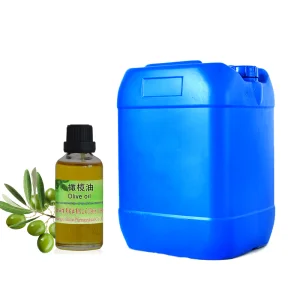
Compounding high-volatility deterring fractions with high-molecular-weight non-volatile botanical carriers (such as Virgin Olive Oil and Sesame Seed Oil fractions). These high-density lipid anchors suppress rapid evaporation while improving wetting adhesion on vertical concrete and timber surfaces.
Self-Emulsifying Nano-Concentrates
Engineered thermodynamic bio-surfactant complexes that form spontaneous transparent nano-emulsions (<50nm droplet size) when diluted with water. Enables deep penetration into hairline masonry fractures, exterior siding voids, and hidden arachnid nesting galleries.
Stimuli-Responsive Bio-Hydrogels
Developing temperature- and humidity-activated smart hydrogels infused with carvacrol and pine terpene extracts. The system increases repellent evaporation rates specifically during hot, humid twilights—precisely matching peak nocturnal spider migratory windows.
Global Compliance Assurance & Export Documentation
We eliminate regulatory friction for importers, brand houses, and institutional distributors. Every shipment from Jiangxi Baicao comes supported by an audit-ready compliance package.
US EPA Minimum Risk FIFRA 25(b)
Our pure Peppermint, Rosemary, Thyme, and Garlic oils strictly comply with active ingredient specifications under Title 40 CFR 152.25(f). This allows North American brand owners to commercialize spider deterrent sprays exempt from federal pesticide registration mandates.
EU REACH & CLP GHS Alignment
Full Safety Data Sheets (SDS) formulated in strict accordance with GHS Revision 9 and EU CLP Regulation (EC 1272/2008). Detailed toxicological, transport classification (ADR/IMDG/IATA), and safe flashpoint profiles expedite port customs entry without hold delays.
Certified Batch-Specific COA & GC-MS
No generic certificates. Every batch is cataloged with refractive index, optical rotation, relative density, and full GC/GC-MS retention time spectra identifying marker concentrations (e.g. ≥70% menthol, ≥65% carvacrol) to safeguard your brand integrity against counterfeit claims.
Specialty Extracts & Formulation Synergy Catalog
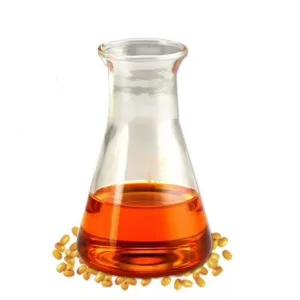
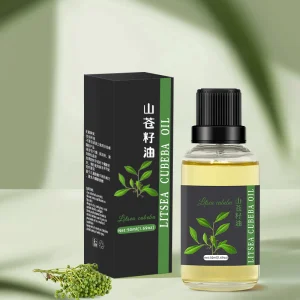
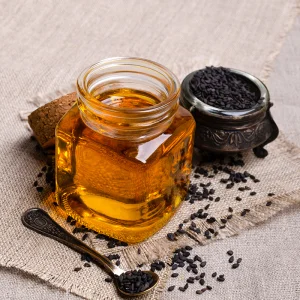
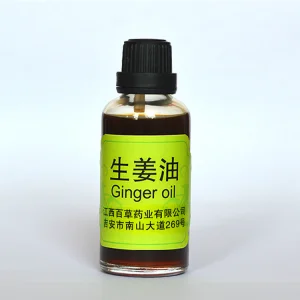
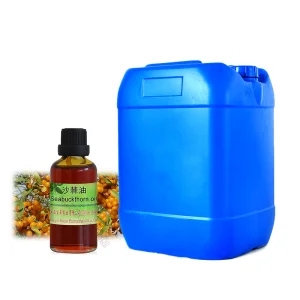
High-potency berry extracts, floral hydrosols, pine-derived terpenes, and terpene enhancers for professional compounders, agro-industrial formulators, and OEM brand buyers.

Frequently Asked Questions: Technical & Procurement FAQ
In-depth answers regarding biochemical efficacy, dilution chemistry, minimum order quantities, and custom OEM manufacturing parameters for international buyers.