Featured Botanical Oils & Commercial Carrier Bases
Explore our production facility's certified botanical distillate lines and cold-pressed bases, manufactured under cGMP compliance with GC/HPLC batch validation.
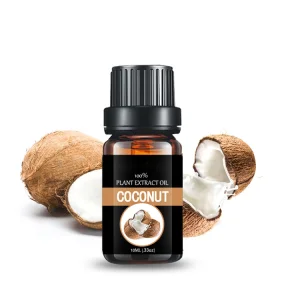
Famous Plant extract coconut oil wholesale in bulk Exporter, Exporters
View Specifications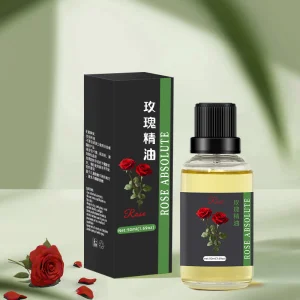
Custom Bulk Cosmetics Beauty Product 100% Pure Natural Rose Essential Oil Manufacturer, Factories
View Specifications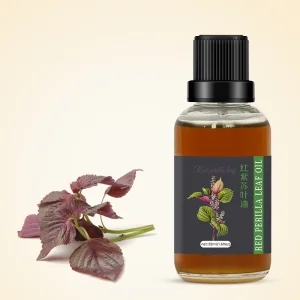
Discount Perillaldehyde in Perilla Leaf Oil for Cosmetics Material Skincare Product Company, Service
View Specifications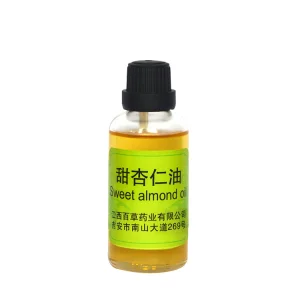
Custom Jiangxi factory wholesale bulk sweet almond oil essential oil Factory, Pricelist
View Specifications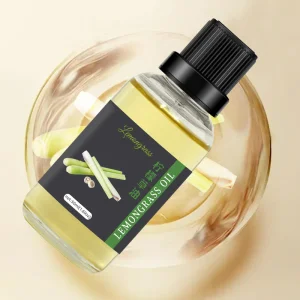
Discount Hot Selling High Quality Skin Body Care 100% Pure Essential Oil Lemon Grass Oil Suppliers, Service
View Specifications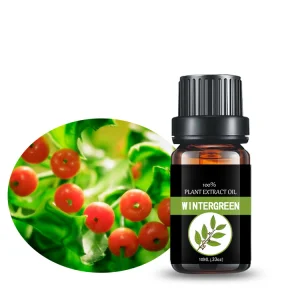
Best Aromatic oil Holly oil manufacturers wholesale pure methyl salicylate cosmetic oil plant extracts Manufacturer, Company
View Specifications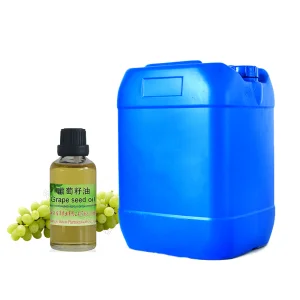
Discount High quality bulk organic grape seed Essential oil carrier oil Quotes, Product
View Specifications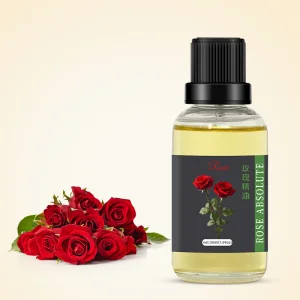
CE Certification Private Label Natural Organic Rose Oil For Body Skin and Hair Care Manufacturers, Service
View SpecificationsIndustrial Cinnamon Oil Chemistry: Cassia vs. Ceylon Taxonomy
In global botanical supply networks, precise differentiation between Cinnamomum cassia (Chinese Cinnamon) and Cinnamomum verum / zeylanicum (Ceylon Cinnamon) is essential to formulation efficacy, regulatory compliance, and margin sustainability. As a primary manufacturer based in Jiangxi, Baicao Pharmaceutical specializes in standardized steam distillation of harvested bark, twigs, and leaves of indigenous Cinnamomum cassia Presl.
Chinese Cassia oil naturally yields an aggressive concentration of (2E)-3-phenylprop-2-enal (trans-cinnamaldehyde), consistently ranging between 80.0% and 95.0% in primary fractions. Conversely, Ceylon leaf oil is predominantly characterized by eugenol (70%–85%), while Ceylon bark yields 60%–75% cinnamaldehyde accompanied by delicate linalool and beta-caryophyllene terpene fractions. For heavy industrial use—such as flavor building, livestock feed biocides, oral antiseptics, and functional preservatives—Cassia oil represents the most potent and economically viable vector.
The commercial essential oil market suffers from rampant dilution via petrochemical-derived synthetic cinnamaldehyde (synthesized from benzaldehyde and acetaldehyde). Synthetic adulteration deflates physical spot prices but introduces toxic trace benzaldehyde chloride, chlorinated solvent residues, and violates natural formulation claims. Baicao integrates mandatory Carbon-14 (14C) isotope testing and chiral GC-MS ratio analysis to certify 100% natural botanical origin on every batch.
Through our automated multi-stage distillation columns, we fractionate fractions down to custom boiling points, allowing buyers to dictate specific residual thresholds for orthomethoxycinnamaldehyde (o-MAC), coumarin, and phenethyl acetate.
Discount Cinnamon Oil B2B Wholesale Matrix (2025–2026)
Factory-gate baseline pricing structured according to volume tiers, cinnamaldehyde concentration, and regulatory grade certifications. Volume rebates apply to long-term off-take agreements.
| Product Grade / Code | Botanical Source | Active Assay Profile | Regulatory Standard | MOQ / Packaging | Contract Tier Price (FOB) | Availability |
|---|---|---|---|---|---|---|
| Cinnamon Bark Oil 85 BC-CIN-B85 |
C. cassia Bark | Trans-Cinnamaldehyde ≥ 85.0% Coumarin ≤ 1.5% |
FCC Food Grade / USP / Ph. Eur. | 25 kg Drum / 180 kg Drum | $38.50 – $44.00 / kg | In Stock (Export Ready) |
| Cinnamon Rectified 95+ BC-CIN-R95 |
C. cassia Distillate | Trans-Cinnamaldehyde ≥ 95.0% Eugenol < 0.5% |
Pharma DMF / NF Grade | 180 kg Drum / 900 kg IBC | $48.00 – $56.50 / kg | Contract Batching |
| Technical Cinnamon Leaf Oil BC-CIN-TL75 |
C. cassia Leaves/Twigs | Total Aldehydes ≥ 75.0% Natural Complex Base |
Industrial / Agrochemical | 180 kg Steel / 900 kg IBC | $24.50 – $29.80 / kg | Bulk Inventory |
| Low-Coumarin Cinnamon Oil BC-CIN-LC10 |
Molecular Distilled Bark | Cinnamaldehyde ≥ 88.0% Coumarin ≤ 0.1% (1000 ppm) |
IFRA 51st / EU Cosmetic Reg. | 25 kg UN Drum / 180 kg Drum | $54.00 – $62.00 / kg | Custom Fractional |
| Phytogenic Feed Grade Oil BC-CIN-AG80 |
Steam Stripped Whole Plant | Cinnamaldehyde ≥ 80.0% High Thermal Stability |
Feed Hygiene Regulation EC 183 | 900 kg Heavy-Duty IBC | $22.00 – $26.50 / kg | High-Volume Capacity |
Tiered Volume Rebates
Annual procurement volumes above 5 metric tons benefit from scaled programmatic discount structures, hedging raw bark spot volatility via strategic pre-harvest contracting.
Full Batch Traceability
Every export consignment is paired with a comprehensive Dossier: GC-MS chromatogram, GC-FID assay calibration, Certificate of Analysis (COA), allergen report, and GHS-compliant SDS.
Logistics & Supply Security
Standardized UN-certified fluorinated HDPE drums, phenolic-lined steel drums, and nitrogen-purged IBCs ensure zero oxidation and minimal terpene degeneration during maritime transit.
China Factory 4.0: Supply Chain Resilience & Distillation Efficiency
Jiangxi Baicao Pharmaceutical operates an intelligent botanical manufacturing matrix in the Jinggangshan Economic & Technological Development Area. By bridging wild-harvest forestry management across Guangxi, Guangdong, and Jiangxi with automated modern chemical processing, our facility decouples high-volume essential oil manufacturing from traditional manual extraction inefficiencies.
Our dual-workshop infrastructure isolates high-potency aromatic aldehydes from subtle carrier lipid extractions, eliminating risks of volatile cross-contamination. Integrated SCADA control systems continuously manage vapor velocities, reboiler temperatures, and condensing gradients during steam rectification. This real-time automation elevates extraction yields by 14.8% while reducing thermal degradation of heat-sensitive cinnamyl esters.
Direct Forest Feedstock
Direct partnership with regional forestry cooperatives guarantees sustained botanical harvesting, selecting 6 to 10-year-old cassia barks rich in secondary plant metabolites.
Automated Distillation
PLC-driven hydro-distillation units precisely tune atmospheric pressure and steam residence time, preventing charring and arresting degradation into toxic degradation products.
Dual 6-Line Isolation
Workshop 1 handles strictly pure volatile essential oils; Workshop 2 manages botanical powders. Complete physical barrier separation prevents cross-contamination.
Closed-Loop Recovery
Hydrosol phase separation and secondary stripped recovery loops recover micro-emulsified aromatics, lowering effluent footprint while maximizing batch cost efficiency.
Macro Industry Solutions: Cross-Sector Value Creation
Explore how our refined cinnamon distillates function across key industrial, therapeutic, food science, and consumer goods matrices.
Food, Flavor & Natural Preservatives
Clean-Label Antimicrobial AgentCinnamaldehyde exhibits exceptional broad-spectrum minimum inhibitory concentrations (MIC) against foodborne pathogens including Escherichia coli, Listeria monocytogenes, and Salmonella enterica. In beverage syrups, bakery premixes, and savory marinades, it delivers thermal-stable warm spice organoleptic profiles while extending microbiological shelf-life without chemical benzoates.
- FEMA GRAS 2286, FCC Compliant for direct ingestion
- Eliminates synthetic parabens and sorbates in clean-label baking
- Synergistic bacteriostatic action when paired with thymol or eugenol
Pharmaceutical & Oral Therapeutics
Oral Antiseptic & Anti-Inflammatory ActiveIn therapeutic mouthwash formulations, oral gels, and dental cements, high-purity cinnamon oil actively lyses Streptococcus mutans and disrupts oral biofilm matrices. Furthermore, its ability to downregulate pro-inflammatory cytokines makes it a cornerstone active in topical analgesics, muscle rubs, and transdermal microcirculation balms.
- In-house USP/Ph. Eur. grade release testing via GC-MS
- Standardized bio-activity with verified absence of heavy metals
- Supports transdermal penetration when combined with terpenes
Phytogenic Animal Nutrition
Antibiotic-Free Growth Promoter (AGP Replacement)With worldwide bans on prophylactic sub-therapeutic in-feed antibiotics, our feed-grade cinnamon oil serves as a primary phytogenic additive for swine, poultry, and aquaculture. Cinnamaldehyde stimulates pancreatic digestive enzyme synthesis, balances cecal microflora, suppresses necrotic enteritis caused by Clostridium perfringens, and bolsters intestinal epithelial barrier integrity.
- Micro-encapsulation compatible for targeted intestinal release
- High heat stability to withstand pelleting and extrusion temperatures
- Cost-effective feed premix integration with bulk drum & IBC supply
Cosmeceuticals & Fragrance Formulation
IFRA Compliant Warming & Plumping BaseFine fragrance designers and personal care chemists require precise balance between warm woody olfactory notes and skin sensitization protocols. Through our molecular distillation technology, we lower coumarin fractions (< 0.1%), enabling cosmetic formulators to formulate lip plumping balms, scalp stimulating serums, and oriental luxury perfumes strictly complying with IFRA 51st Amendment limits.
- Low-coumarin rectified fractions avoiding category bans
- Natural skin rubefacient accelerating follicular blood flow
- Compatible with custom carrier dilutions (argan, almond, camellia)
Technical Roadmap & Future Outlook (2025–2030)
Advancing botanical chemistry through green process intensification, supercritical CO2 extraction, and algorithmic chromatographic characterization.
Subcritical & Supercritical CO2
Transitioning specialty high-grade fractions from conventional steam distillation to closed-loop Supercritical Fluid Extraction (SFE-CO2). This low-temperature, solvent-free process preserves delicate cinnamyl acetate esters while completely eliminating any possibility of thermal burn artifacts.
AI Aroma & Active Fingerprinting
Deploying machine learning models trained on 15 years of GC-MS chromatographic libraries. Our automated chemometric algorithms predict organoleptic stability, oxidative degradation pathways, and formulation synergy index with multi-component botanical matrices in real time.
Targeted Nano-Encapsulation
Developing biodegradable cyclodextrin and liposomal wall materials to micro-encapsulate unstable volatiles. Nano-matrix delivery eliminates volatility during high-temperature pelleting, providing sustained-release bioavailability in human therapeutics and animal health.
Global Compliance & Localization Architecture
Regulatory scrutiny surrounding natural aromatic oils has escalated globally. Procurement teams navigating the US FDA, European Chemicals Agency (ECHA), and international food safety authorities require air-tight analytical dossiers to mitigate import rejections, consumer lawsuits, and border quarantines.
Baicao Pharmaceutical’s in-house Regulatory Affairs Directorate manages end-to-end certification frameworks, providing rapid document access for enterprise registration dossiers:
Full tonnage band compliance for cross-border European distribution.
FDA facility registration with active Drug Master File indexing.
Quantitative Risk Assessment (QRA2) conformant fraction batches.
Certified clean-room production with annual rabbinical and halal audits.
Analytical Verification Checklist
Prior to lot release, each batch is tested on our calibrated GC-MS, GC-FID, and HPLC platforms to satisfy stringent multinational parameters:
- Chromatographic Fingerprint: Direct correlation against ISO 3216 standards for Cassia oil.
- Heavy Metal Screening: ICP-MS verification of Lead, Arsenic, Cadmium, and Mercury (< 1 ppm).
- Pesticide Residue Screen: GC-MS/MS multi-residue screen compliant with USP <561> / EP 2.8.13.
- Physical Constants: Specific Gravity (1.052–1.070), Refractive Index (1.600–1.614), Optical Rotation.
Global Enterprise Sourcing Architecture
Optimizing wholesale procurement workflows from technical sample validation through to bonded containerized shipment.
Application Profiling
Submission of buyer target matrix: cinnamaldehyde concentration, intended usage sector (flavor, feed, pharma, scent), regulatory constraints, and packaging tier.
Lab Validation & Pilot
Dispatch of 50g–500g pilot samples from active inventory lots, complete with batch-matched GC-MS chromatogram and Certificate of Analysis (COA).
Contractual Hedging
Execution of fixed-price framework agreements or indexed quarterly contracts, safeguarding procurement budgets against regional agricultural spot spikes.
Bonded Logistics
Filling into UN-certified nitrogen-blanketed steel containers, multimodal freight dispatch, customs pre-clearance, and real-time shipping telematics.
Featured Industrial Distillates & Complementary Active Oils
Direct factory production lines covering cold-pressed carrier bases, single-isolate aroma compounds, and therapeutic phytogenic oils.
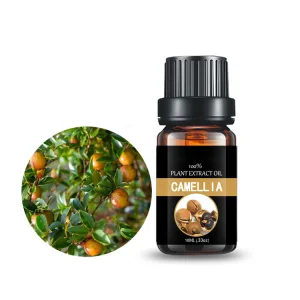
Best Scented oil cosmetics aromatherapy essential oils Top Grade Camellia Seed Oil Exporters, Products
View Specifications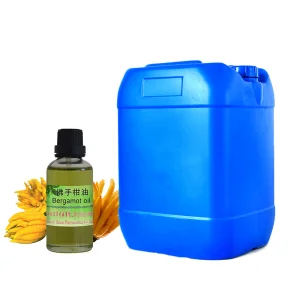
China Perfume oil Bergamot Essential Oil Company, Service
View Specifications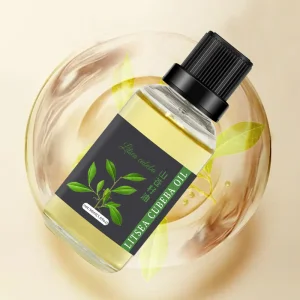
Discount 100% Pure Essential Oil of Litsea Cubeba Seed Oil for Skin Care Food Additive Exporter, Products
View Specifications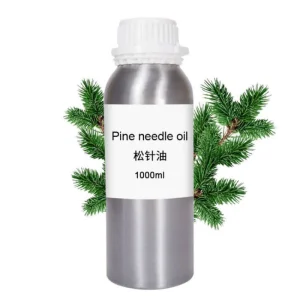
ODM Perfume Essence Formula Terpineol In Pine Needle Oil for Soap And Cosmetics Factory, Products
View Specifications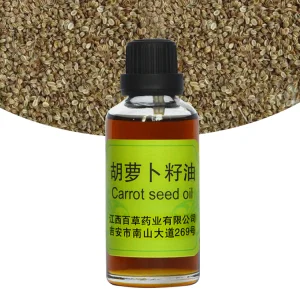
ODM Fragrant oil Carrot seed oil plant extract Companies, Service
View Specifications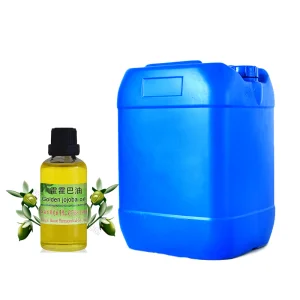
Custom Wholesale essential oil olive oil cosmetic oil Products, Service
View Specifications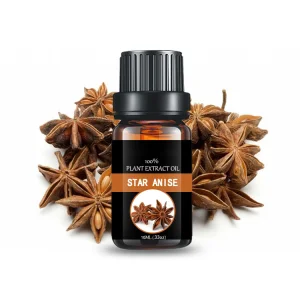
Best Fragrance Aniseed Oil Massage and Aromatherapy Essential Oil Plant Extracts Suppliers, Company
View Specifications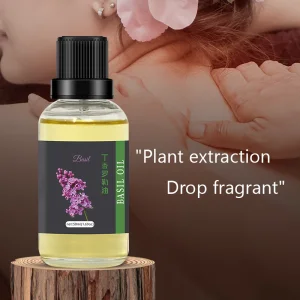
Buy Wholesale Eugenol Linalool Oil Natural Aromatic Chemical Basil Oil Factory, Companies
View SpecificationsFrequently Asked Questions: Technical & Commercial Inquiries
Clear, verifiable answers regarding extraction chemistry, adulteration detection, minimum orders, and regulatory dossier filings.