Factory Catalog: Premium Carrier & Essential Formulations
Verified pharmaceutical and cosmetic grade botanicals engineered for stability, dermal compatibility, and wholesale high-volume dispersion.
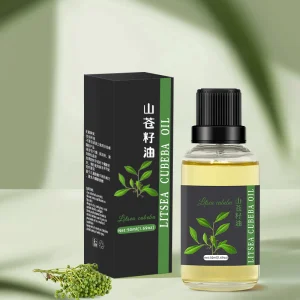
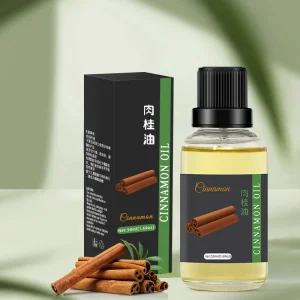
The Global Evolution of Cinnamon Body Oil Formulations
Decoding the shift from undifferentiated essential oils to thermally stabilized, bio-compatible massage and therapy lipids across commercial markets.
Cinnamaldehyde vs. Eugenol Optimization
Industrial cinnamon body oil is fundamentally differentiated between Cinnamomum verum (Ceylon cinnamon bark/leaf) and Cinnamomum cassia. Cassia exhibits high cinnamaldehyde levels (70–90%), ideal for metabolic stimulation but demanding strict dermal dilution controls. Verum leaf oil delivers high eugenol (70–80%), offering exceptional antioxidant kinetics and lowered sensitization indexes.
Thermogenic Topical Mechanism
Modern clinical spa and therapeutic body oils exploit the vascular permeability and microcirculation response triggered by safe dilutions of active cinnamon terpenes. By engaging transient receptor potential vanilloid 1 (TRPV1) ion channels, formulated body oils evoke localized warming, metabolic cellular stimulation, and profound muscular decompression without dermal erythema.
Micro-Encapsulation & Carrier Blending
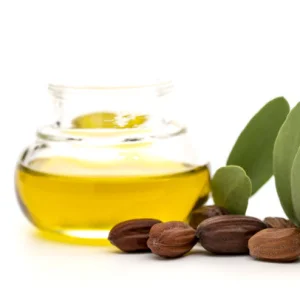
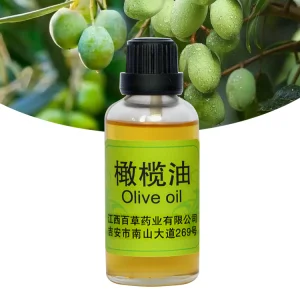
Factory-level formulation requires pairing pure cinnamon isolates with high-oxidative-stability lipids like cold-pressed Simmondsia Chinensis (Jojoba) wax esters, Caprylic/Capric Triglycerides, or Olea Europaea (Olive) squalene. This matrix suppresses active vaporization, mitigating volatile allergen evaporation while prolonging dermal release over 180-minute clinical intervals.
Formulation Quality Rule: The 0.1% IFRA Threshold for Leave-On Cosmetics
Procurement directors must enforce that pure bark-derived cinnamaldehyde concentration does not exceed the International Fragrance Association (IFRA) 49th Amendment limits of 0.05% - 0.1% in finished body massage oils. Professional suppliers manage batch-level rectification via fractional vacuum distillation to deliver reproducible olfactory punch without running afoul of EU Annex III bans.
Procurement Bottlenecks & Factory Solutions
Enterprise buyers navigate severe supply volatility, synthetic adulteration risks, and international trade non-compliance. Here is how modern GMP facilities de-risk bulk supply chains.
Combatting Petrochemical Adulteration
Unscrupulous brokers boost profit margins by doping cinnamon oil with synthetic petrochemical cinnamaldehyde (derived from benzaldehyde). Baicao deploys Carbon-14 (14C) Isotope Testing alongside chiral GC-MS analysis to verify 100% biogenic carbon authenticity on bulk consignments.
Stable Raw Material Reserves
Raw bark commodity pricing varies up to 45% annually due to harvest cycles in South Asia and Guangxi. We mitigate market shock through contracted 28,600 m² warehouse facilities with nitrogen-blanketed bulk staging vessels holding reserves for steady annual cost amortization.
Custom OEM/ODM Batching Flexibility
From 200 kg intermediate industrial drums to high-speed automated bottling in 30ml, 50ml, and 100ml amber dropper bottles, our factory provides turnkey white-label packaging with hermetic tamper seals, multilingual silk-screen printing, and serialized traceability barcoding.
Specification Breakdown: Cassia vs. Ceylon Formulations
Analytical profiling standard comparison for B2B cosmetic, pharmaceutical, and aromatherapy bulk procurements.
| Analytical Metric | Cinnamomum Cassia (Bark/Twig) | Cinnamomum Verum (True Ceylon Bark) | Baicao Stabilized Cinnamon Body Oil |
|---|---|---|---|
| Primary Active Constituent | Trans-Cinnamaldehyde (75.0% – 88.0%) | Trans-Cinnamaldehyde (55.0% – 70.0%) | Standardized Eugenol/Cinnamaldehyde Blend |
| Secondary Marker | o-Methoxycinnamaldehyde (4.0% – 12.0%) | Eugenol (4.0% – 10.0%) | Skin-Safe Buffer + Jojoba/Tocopherol Carriers |
| Specific Gravity (20°C) | 1.052 – 1.070 | 1.010 – 1.030 | 0.915 – 0.935 (Finished Base Oil Blend) |
| Refractive Index (20°C) | 1.600 – 1.614 | 1.565 – 1.590 | 1.465 – 1.485 |
| Coumarin Concentration | High (2,000 – 7,000 mg/kg) | Trace / Non-Detectable (< 200 mg/kg) | Purified < 10 ppm (Compliant with EC 1223/2009) |
| Intended Industrial Destination | Warming balms, industrial fragrance | High-end cosmetic serums, perfumery | Direct salon/spa application, ready-to-fill retail |
Global Compliance & Export Verification Infrastructure
Eliminate import holdups and regulatory rejections with factory-issued documentation compliant with North American, European, and Asian drug and cosmetic authorities.
EU CPNP & Annex III Dossiers
Every shipment bound for the European Union is backed by a comprehensive Cosmetic Product Safety Report (CPSR) dossier, verifying allergen breakdown for Cinnamal, Eugenol, Benzyl Benzoate, and Linalool.
US FDA MoCRA Alignment
Our Jiangxi GMP facilities maintain active FDA registration with comprehensive documentation under the Modernization of Cosmetics Regulation Act (MoCRA), guaranteeing facility listings and adverse event SOPs.
Strict Heavy Metal & Solvent Assays
Using ICP-MS and Headspace Gas Chromatography, all bulk batches are verified free of residual extraction hexane, benzene, arsenic (<1 ppm), lead (<1 ppm), and cadmium (<0.5 ppm).
International Dangerous Goods Logistics
Raw cinnamon bark oil falls under UN 2810 (Toxic liquid, organic, n.o.s.) or UN 3082. Our certified dangerous goods (DG) export team furnishes full UN-rated drum crating, IMDG ocean declarations, and IATA air manifests.
Technical Roadmap: Next-Generation Cinnamon Extraction
Pioneering clean-tech manufacturing to maximize active preservation while eliminating carbon-heavy thermal degradation.
Phase I: Subcritical Supercritical CO₂ Isolation
Traditional steam distillation runs at 100°C+, inevitably charring sensitive aromatic esters. Our advanced SC-CO₂ extraction runs at 35–40°C under 250 bar pressure, isolating full-spectrum cinnamyl alcohol, cinnamyl acetate, and terpenes completely solvent-free with zero thermal degradation.
Phase II: Nano-Emulsified Water-Dispersible Lipids
Overcoming the classic hydrophobicity barrier: our formulation laboratory has engineered self-emulsifying body oils (SEDDS) that instantly integrate into bath hydrotherapy without oil separation or slippery tub residue, expanding commercial spa treatment workflows.
Phase III: Continuous-Flow Rectification Automation
Deploying AI-driven gas chromatography inline monitoring across all 6 essential oil lines. The system automatically adjusts column temperature profiles and vacuum pressure to strip naturally occurring coumarin to safe, non-hepatotoxic levels without loss of fragrance richness.
Frequently Asked Questions: Bulk Cinnamon Oil
In-depth responses covering QA requirements, order execution, formulation standards, and packaging.
What is the primary formulation difference between cinnamon bark oil and cinnamon leaf oil in body massage products?
How do you verify your cinnamon body oil is free from synthetic petrochemical cinnamaldehyde?
What are the minimum order quantities (MOQ) for bulk drums versus turnkey OEM private label bottling?
Can the factory customize carrier lipid profiles to meet specific absorption speeds?
What technical documentation accompanies export shipments for customs clearance?
Factory Catalog: Functional Plant Extracts & Specialty Distillates
Integrate concentrated botanical compounds and therapeutic actives directly into your cosmetic, food, and wellness pipeline.