
Factory Wholesale & Certified Export Oils (Batch Allocation I)
Direct factory bulk inventory verified via GC/GC-MS chromatography. Selected essential oils and pure botanical extracts available for immediate industrial container freight.


Cedar Tree Oil Chemical Profiling & Global Taxonomy
Understanding botanical origins, isomeric variations, and the chemical differentiation of commercial Cupressus funebris distillation.
In global industrial procurement, the nomenclature surrounding Cedar Tree Oil (often categorized across customs registries as Cedarwood Oil, CAS 8000-27-9 / 85085-41-2) encompasses distinct botanical genera that possess vastly divergent sesquiterpene compositions. For international flavor houses, pesticide synthesis directors, and contract fragrance formulators, qualifying the precise chemotaxonomic origin is the foundational step toward mitigating batch failure, regulatory rejection, and uncalibrated pricing benchmarks.
China is historically recognized as the world's most stable, high-capacity origin for Chinese Cedarwood Oil, primarily derived from Cupressus funebris (often cross-referenced as weeping cypress). Unlike North American Juniperus virginiana (Virginian) or Juniperus ashei (Texan), and Mediterranean Cedrus atlantica (Atlas Cedar), Chinese cedarwood distillate is characterized by an exceptionally rich sesquiterpene alcohol backbone consisting of natural Cedrol, accompanied by cyclic hydrocarbons including α-Cedrene, β-Cedrene, Thujopsene, and minor sesquiterpenic fractions like Cedrenol and Widdrol. This precise natural footprint makes Chinese cedar distillate the preferred economic raw material for the chemical synthesis of methyl cedryl ether, cedryl acetate, and ambroxan-synergistic fixatives.
Cedrol (C15H26O)
The primary tertiary sesquiterpene alcohol governing the crystallizing properties, olfactory tenacity, and neuro-sedative efficacy of high-grade cedar fractions.
- Concentration Range: 18% to 65%+
- Melting Point: 86°C to 88°C
- Industrial Use: Aroma isolate, acetylated esters
α- & β-Cedrene
Tricyclic sesquiterpene isomers providing dry, woody-amber top-to-middle notes, serving as natural volatile precursors in biopesticide synthesis.
- Typical Share: 20% – 35% Total Peak Area
- Boiling Range: 261°C – 263°C
- Key Attribute: Octopaminergic insect blocker
Thujopsene
The core structural hydrocarbon contributing to the intense fixative tenacity, resinous depth, and deep antimicrobial stability against wood-decay fungi.
- Typical Share: 10% – 22%
- Chemical Nature: Highly stable tricyclic terpene
- Target Applications: Industrial timber coatings, soap fixatives
Engineering Dominance of Chinese Cedar Oil Distillation
How Jiangxi Baicao Pharmaceutical combines natural biomass hubs with automated fractional vacuum distillation to dominate global export capacity.
The structural competitive advantage of sourcing commercial cedar tree oil directly from tier-one Chinese distillation plants—most notably Jiangxi Baicao Pharmaceutical Co., Ltd.—rests upon an integrated chain extending from sustainable timber sawdust reclaim loops to continuous vacuum fractional distillation towers. Operating out of the Jinggangshan Economic & Technological Development Area across a 28,600 m² GMP-compliant manufacturing complex, Baicao eliminates the price volatility and quality variability that chronically disrupt spot-market traders.
Sustainable Biomass Upcycling
Chinese cedarwood extraction utilizes 100% upcycled heartwood sawdust, root stumps, and lumber processing trimmings from government-managed reforestation zones in Guizhou, Sichuan, and Jiangxi. This circular economy framework decouples raw material acquisition from wild deforestation, guaranteeing compliance with global zero-deforestation procurement mandates.
Fractional Vacuum Rectification
Traditional atmospheric steam distillation yields an unrefined crude oil with high color indices and variable flash points. Baicao integrates multi-plate high-vacuum fractional distillation towers capable of isolating volatile light fractions, mid-tier cedrene cuts, and crystallized natural cedrol with thermal accuracy of ±0.5°C, ensuring batch-to-batch organoleptic consistency.
In-House Analytical Center
Every export lot is cataloged through Shimadzu Gas Chromatography (GC-FID) and Agilent GC-MS systems equipped with chiral stationary phases. This verifies absence of synthetic adulterants, phthalates (DEP), mineral oil dilutions, or low-cost kerosene cuts commonly encountered in unverified broker pipelines.
Discount Cedar Tree Oil Pricelist & Grade Benchmark (2025–2026)
Factory-direct tiered pricing structures, purity indices, and packaging formats for global import planning.
B2B procurement pricing for cedar tree oil is dictated by three technical metrics: Total Cedrol Concentration, Distillation Profile (Crude vs. Rectified/Decolored), and Annual Contracted Tonnage. Spot pricing across secondary trading hubs often introduces 20% to 35% broker premiums while masking compositional dilutions. Below is the standardized factory-direct benchmark catalog established by Jiangxi Baicao Pharmaceutical Co., Ltd. for qualified international importers, flavor distributors, and industrial compounders.
| Grade Designation | Assay Profile (GC-MS) | Physical Appearance | Export Packaging | FOB Target Range (USD/kg) | Compliance Standards |
|---|---|---|---|---|---|
| Crude Chinese Cedar Oil | Cedrol 18% – 25%, Thujopsene >18% | Amber to reddish-brown liquid | 190kg Steel Drum / 950kg IBC | $14.50 – $17.80 | ISO 9001, Technical Grade |
| Double-Rectified Industrial | Cedrol 30% – 38%, Low Odor Colorless | Pale yellow to water-white liquid | 190kg Galvanized Drum | $19.20 – $22.50 | REACH Registered, IFRA 51st |
| Perfumery Grade Fraction | Cedrol ≥50%, Alpha-Cedrene ≥22% | Viscous pale yellow to clear | 25kg Fluorinated HDPE / 180kg Drum | $25.00 – $29.50 | Kosher, Halal, IFRA Standard |
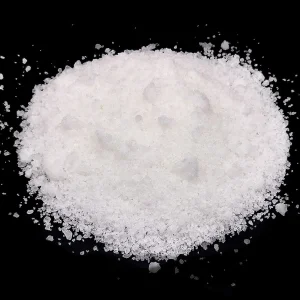
| Natural Cedrol Crystals 70%+ | Cedrol ≥70.0% by HPLC/GC | White crystalline needle mass | 25kg Fiber Drum / Inner Foil Bag | $32.00 – $38.00 | FCC, Food & Flavor Grade |
| EPA 25(b) Biopesticide Base | Total Sesquiterpenes ≥85% | Consistent golden yellow liquid | 950kg IBC Tote / ISO Tank | $13.80 – $16.20 | EPA Exempt, USDA BioPreferred |
*Note on Volume Discounting: Spot tier purchases (1 Drum / 190kg) reflect baseline quotation rates. Importers executing annual framework agreements spanning ≥10 Metric Tons receive up to 18% margin discounts based on quarterly raw biomass amortization, sheltered from international spot inflation. Custom fractionation cuts with target boiling ranges are engineered under private OEM tolling contracts.
Global Industry Dynamics & Macro-Level Solutions
Analyzing the compound annual growth rate (CAGR) drivers propelling cedarwood fractions across green chemistry, agriculture, and fragrance architecture.
Synthetic Biocide Replacement
Global regulatory ratcheting against organophosphates, synthetic pyrethroids, and neonicotinoids is accelerating demand for EPA 25(b) exempt cedarwood formulations. Micro-emulsified cedar tree oil creates mechanical disruption in insect cuticles and alters octopamine receptor transmission without generating mammalian toxicity or groundwater persistent residues.
Scope 3 Supply Decarbonization
Multinational personal care and cosmetic conglomerates are mandating verified Life Cycle Assessments (LCA) across their upstream supply chains. By utilizing continuous hydro-distillation powered by localized biomass boilers and closed-loop condensation circuits, Baicao's Jiangxi refinery achieves an estimated 42% lower carbon footprint per metric ton relative to conventional coal-steamed facilities.
High-Fixative Fine Perfumery
The post-pandemic surge in niche woody, amber, and genderless perfumes has elevated the requirement for authentic, sustainable woody base notes. Rectified Chinese cedarwood oil acts as an indispensable, economically viable anchor fixative that balances fast-evaporating top citrus notes while optimizing the diffusion curve of high-value natural floral absolutes.
Engineered Application Scenarios & Sector Solutions
Specific formulation protocols, inclusion rates, and technical functionality across high-margin commercial verticals.
Cosmetics & Scalp Therapeutics
In dermatological skincare and clinical hair-care regimes, high-cedrol cedar fractions regulate epidermal lipid synthesis and mitigate Malassezia furfur proliferation. Its natural astringency tightens folliculocyte junctions, serving as an active active ingredient in anti-dandruff tonics, beard elixirs, and sebum-controlling facial serums (Typical loading: 0.25% – 1.8%).
EPA 25(b) Biopesticides & Vector Control
Cedar oil is a designated minimum-risk pesticide active ingredient across North America and Australasia. Formulated into emulsifiable concentrates with food-grade surfactants, it repels and eradicates ticks (Ixodes scapularis), mosquitoes, termites (Reticulitermes flavipes), and textile-eating moth larvae without posing risk to domestic pets or pollinators.
Architectural Wood Coatings & Preservatives
Replacing toxic chromated copper arsenate (CCA) and synthetic pentachlorophenol in exterior timber care. Cedar tree distillate penetrates deeply into coniferous cellulose pores, establishing a permanent hydrophobic barrier that repels moisture ingress, eliminates fungal brown-rot, and preserves antique heritage timber from termite colonization.
Functional Detergents & Air Care
High-tenacity thujopsene-rich fractions are formulated into luxury fabric conditioners, floor cleansing concentrates, and commercial HVAC aerosol dispersion systems. The oil provides exceptional alkaline stability in high-pH surfactant matrixes, delivering lingering woody freshness that survives hot-cycle tumble dryers.
Enterprise Sourcing & Quality Qualification Matrix
A roadmap for supply chain directors to audit chemical provenance, clear customs, and navigate regulatory declarations.
Procuring natural essential oils at industrial scale introduces inherent vulnerability to adulteration, documentation deficiencies, and international freight rejections. To establish an uncompromised supply corridor, international enterprise procurement teams must integrate three structural verification steps within their vendor audit frameworks:
1. Regulatory Dossier Audit
Verify that your Chinese export partner issues complete lot-traceable documentation: Certificate of Analysis (COA) explicitly stating GC-MS peak percentages, GHS-compliant 16-section Safety Data Sheet (MSDS), IFRA 51st Amendment Conformity Statement, and EU REACH / UK REACH verification numbers.
2. Dangerous Goods (DG) Packaging
Cedarwood oil is typically categorized under UN 3082 (Environmentally Hazardous Substance, Liquid, N.O.S., Class 9, Packing Group III). Ensure your exporter provides certified UN-rated steel drums with internal epoxy phenol linings or heavy-duty fluorinated totes to avert customs seizure and cargo leakage during transoceanic shipping.
3. CITES Non-Regulated Proof
Ensure customs declarations precisely distinguish Cupressus funebris from endangered or CITES-restricted conifer species (such as select Cedrus or Fitzroya varieties). Legitimate Chinese distillation invoices confirm that the biomass is harvested from cultivated forestry byproducts, avoiding customs holds at European or American border inspection ports.
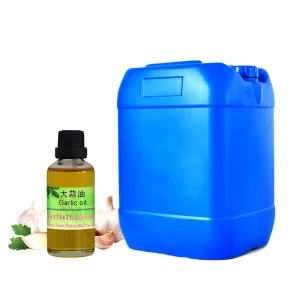
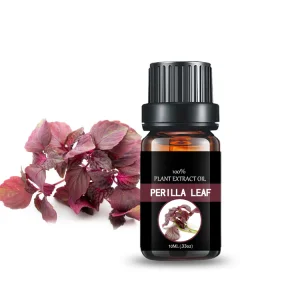
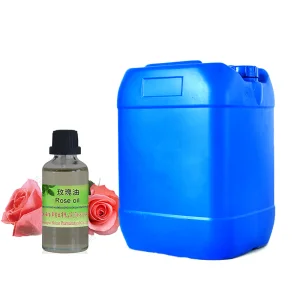
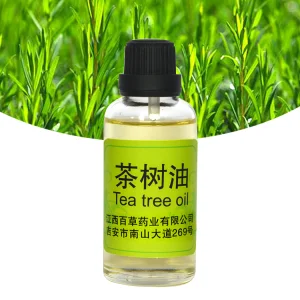
Synergistic Plant Actives & Pure Essential Oils (Batch Allocation II)
Complementary distillation lines running in parallel across Baicao's 12 GMP workshops. Order in combined container shipments for freight optimization.
Frequently Asked Questions: Cedar Tree Oil Technical Sourcing
Authoritative technical answers addressing chemical integrity, regulatory hurdles, minimum ordering conditions, and fractionation options.
What is the definitive chemical difference between Chinese Cedarwood Oil and Virginian Cedarwood Oil?
How does Jiangxi Baicao test for adulteration in bulk Cedar Tree Oil shipments?
1. Chiral Stationary Phase Chromatography: Verifying the precise enantiomeric ratio of natural (-)-α-cedrene and (+)-cedrol.
2. Specific Gravity & Refractive Index: Verifying strict alignment with ISO 9001 standards (Specific Gravity at 20°C: 0.940 – 0.970; Refractive Index at 20°C: 1.500 – 1.515).
3. Residue on Evaporation: Ensuring complete volatilization without non-volatile synthetic polymers or vegetable cutting oils.
What are your standard export packaging configurations and Dangerous Goods certifications?
• Fluorinated HDPE Jerrycans: 25kg net weight, engineered for pilot runs, sampling trials, and specialty perfumery blending.
• UN-Certified Galvanized / Epoxy-Coated Steel Drums: 190kg net weight (4 drums per pallet, 80 drums / 15.2 Metric Tons per 20ft FCL), fully compliant with UN 3082 Class 9 maritime safety standards.
• Intermediate Bulk Containers (IBC Totes): 950kg or 1,000kg net weight with reinforced galvanized tubular steel frameworks for high-volume biopesticide or industrial detergent compounders.
All shipments are accompanied by official Dangerous Goods Declarations (DGD), IMO compliance certificates, and factory lot-coded shipping marks.
Does Cedar Tree Oil (Cupressus funebris) require CITES export permits?
What is the shelf life and optimal warehouse stabilization protocol for bulk containers?
1. Store in hermetically sealed, nitrogen-blanketed original containers protected from direct UV radiation.
2. Maintain warehouse temperatures between 10°C and 25°C.
3. If crystalline precipitation occurs in high-cedrol grades (due to ambient temperatures dropping below the 86°C melting point of isolated cedrol), warm the drum gently in a water bath at 40°C–50°C and homogenize prior to discharge. This physical recrystallization is a definitive marker of natural purity and does not alter chemical potency.
Can Jiangxi Baicao customize cedrol content or boiling fractions on a toll manufacturing basis?
• Decolored & Low-Odor Cuts: Removing dark resinous tails for inclusion in clear personal care cosmetics and pale soaps.
• High-Cedrol Enriched Fractions: Concentrating cedrol up to 50%, 60%, or isolating ≥70% natural crystalline cedrol.
• Tailored Sesquiterpene Ratios: Standardizing target cedrene/thujopsene ratios for proprietary vector repellent and agrochemical efficacy trials.