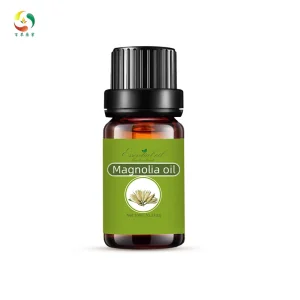
Cheap Natural food-grade magnolia flower essential oil Factories, Exporter
Inquire Specification
Explore high-purity natural oils and botanical active ingredients produced under cGMP purification protocols.
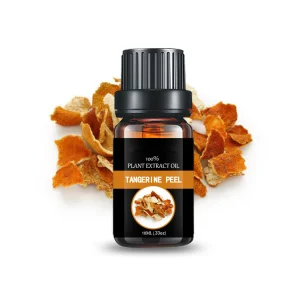
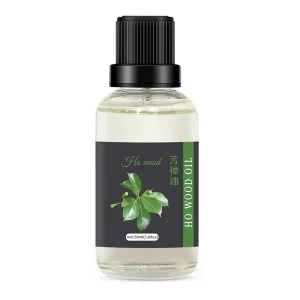
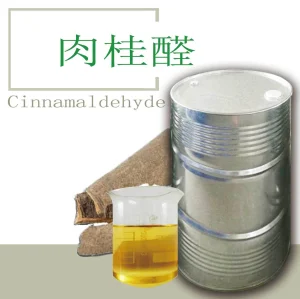
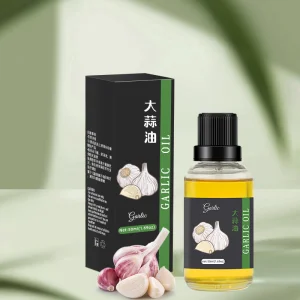
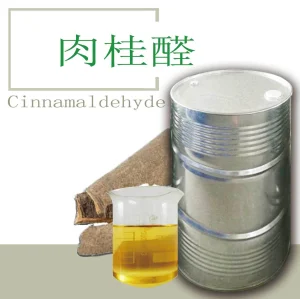
Analyzing shifting market dynamics: How bulk cassia essential oil (Cinnamomum cassia) is transitionary from traditional seasoning to high-grade industrial phytochemistry.
Global food processing and packaging formulators are aggressively replacing synthetic chemical preservatives like sodium benzoate and BHT with standardized botanical antimicrobials. Cassia oil's high natural cinnamaldehyde profile delivers broad-spectrum fungicidal and bacteriostatic activity against common foodborne pathogens.
Discount bulk procurement strategies require mitigating raw material volatility. Direct steam-distillation sourcing at origins such as Jiangxi lowers logistical and intermediary overheads, allowing corporate buyers to lock in fixed annual pricing contracts with guaranteed bioactive constituent baselines.
Importers in the EU and North America face heightened FDA, EFSA, and REACH scrutiny over solvent traces, coumarin thresholds, and heavy metals. Procurement demands shifting from spot market brokers to validated GMP facilities operating accredited analytical laboratories.
Cassia oil provides unmatched versatility across major sectors due to its strong thermal stability and high lipophilic cell-wall penetration capabilities.
Widely deployed in antibiotic-free (AGP-free) poultry and swine formulations. Trans-cinnamaldehyde improves gut intestinal morphology, controls Salmonella typhimurium and Clostridium perfringens proliferation, and optimizes feed conversion ratios (FCR).
Delivers characteristic spicy, sweet, and warm notes to confectionery, chewing gums, beverages, and meat seasonings. In oral mouthwashes and toothpastes, it eliminates anaerobic bacteria causing oral halitosis without disrupting normal mucosal pH balances.
Utilized as a potent rubefacient in sports balms, massage oils, and microcirculation-stimulating formulations. Promotes localized blood flow through transient receptor potential vanilloid 1 (TRPV1) activation when carefully diluted within cosmetic carrier matrices.
Natural botanical alternative to organophosphates. Used as an active biopesticide, acaricide, and nematicide for greenhouse agriculture, disrupting pest membrane permeabilization without contributing to persistent environmental micro-residues.
Guaranteed technical values for industrial bulk procurement verified via Gas Chromatography-Mass Spectrometry (GC-MS).
| Analytical Parameter | Technical Benchmark Range | Testing Protocol | Procurement Significance |
|---|---|---|---|
| Botanical Taxon | Cinnamomum cassia Presl (Lauraceae) | Phytochemical Identity / Origin Verification | Guarantees true Chinese cassia origin; distinct from Cinnamomum verum. |
| Active Cinnamaldehyde | 85.0% - 93.5% (Trans-isomer) | GC-FID / GC-MS | Ensures maximal antimicrobial, organoleptic, and anti-inflammatory efficiency. |
| Appearance & Aroma | Yellow to brownish-red clear mobile liquid | Sensory / Colorimetric | Distinct sweet, pungent spicy cinnamon note, free from scorch or rancid odor. |
| Specific Gravity (20/20°C) | 1.052 - 1.070 | Digital Pycnometry / USP <841> | Critical physical indicator for detecting low-density solvent adulterations. |
| Refractive Index (20°C) | 1.600 - 1.614 | Abbe Refractometer / ISO 280 | Conforms to pharmacopoeial density and optical dispersion standards. |
| Solubility in Ethanol (70% v/v) | Soluble in 2 to 3 volumes at 20°C | Alcohol Dissolution Test / ISO 875 | Indicates lack of fixed oil, paraffin, or petroleum distillates contamination. |
| Heavy Metals (Pb, As, Cd, Hg) | < 5 ppm Combined total | ICP-MS Inductively Coupled Plasma | Meets strict USP, FCC, and European Pharmacopoeia toxic metal tolerances. |
Eliminating border friction, customs delays, and documentation rejections through rigorous pre-shipment validation.
Every commercial consignment ships with lot-matched Certificates of Analysis (COA), 16-section GHS-compliant Safety Data Sheets (SDS), technical datasheets, allergen statements, IFRA 51st conformity certificates, and non-GMO affirmations ready for regulatory review.
Because natural cassia oil contains concentrated cinnamaldehyde, it is classified under UN 2810 / UN 3082 for specialized transport. We provide UN-certified fluorinated HDPE drums, phenolic-coated steel drums (25kg & 180kg), and nitrogen-flushed container vessels to halt oxidation.
With warehouse distribution nodes serving North America, Europe, and Asia-Pacific, routine sample consignments dispatch within 24 hours via air express, while full container load (FCL) orders benefit from streamlined multimodal customs bonded pathways.
Driving processing efficiency and bio-activity enhancement via advanced green engineering and zero-waste extraction paradigms.
Transitioning volatile cassia liquid into water-dispersible spray-dried powders via maltodextrin/gum arabic complex coacervation, drastically preventing cinnamaldehyde degradation under high heat processing in extrusion and industrial baking operations.
Next-generation subcritical and supercritical carbon dioxide extraction architectures running at physiological temperatures, delivering pure botanical extracts without solvent traces, reduced heavy-fraction resins, and an exceptionally authentic organoleptic fingerprint.
Integrating agricultural biomass recycling where post-distilled cassia bark and leaves serve as localized boiler fuel and natural soil humus conditioners, achieving an ISO 14064 verified carbon-neutral production cycle across our Jiangxi processing facility.
Answering high-intent questions from formulation engineers, QA directors, and corporate procurement teams.
While both originate from the Lauraceae genus, Cassia Oil (Cinnamomum cassia) features significantly higher concentrations of cinnamaldehyde (consistently 85%-92%) and nearly negligible eugenol content (<1%). In contrast, Ceylon Cinnamon Bark Oil (Cinnamomum verum) typically yields 60%-75% cinnamaldehyde with a notable eugenol profile (5%-10%), resulting in differing regulatory thresholds and flavoring nuances.
Our cost efficiencies stem from large-scale direct contract farming agreements across Jiangxi and Guangxi, integrated continuous distillation units at our 28,600 m² factory, and zero broker margins. We never dilute with synthetic cinnamic aldehyde or benzyl alcohol; every single lot is authenticated via in-house chiral GC-MS testing.
Under the latest IFRA 51st Amendment standards, because cinnamaldehyde is classified as a known dermal sensitizer, pure Cassia oil usage levels are rigorously limited depending on product category (e.g., typically <0.05% in Category 5 leave-on facial products and up to 0.1% in rinse-off soap preparations). Full category calculation certificates accompany each batch.
Cassia oil should be housed in airtight, phenolic-lined steel containers or dark amber fluorinated drums blanked with inert nitrogen gas. Storage environments must remain between 15°C and 25°C away from direct sunlight. Exposure to atmospheric oxygen promotes oxidation into cinnamic acid, reducing active bio-potency and darkening oil tint.
Seamlessly integrate high-grade natural ingredients into your formulation pipeline with direct factory pricing.