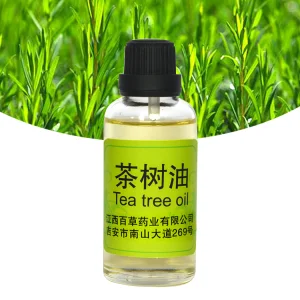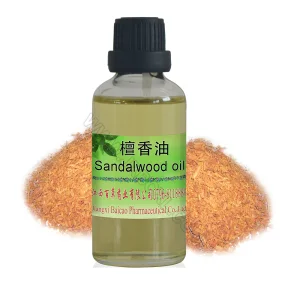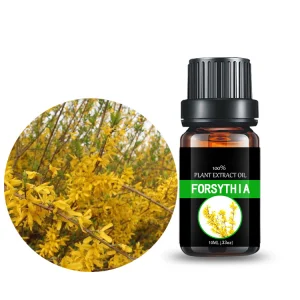
Featured Essential Oils & Pure Plant Extracts (Batch 01)
Explore our industrial-grade catalog of pure steam-distilled essential oils and botanical actives, fully compliant with global cosmetic and pharmaceutical frameworks.
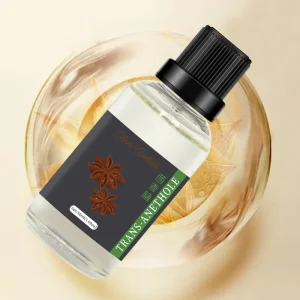
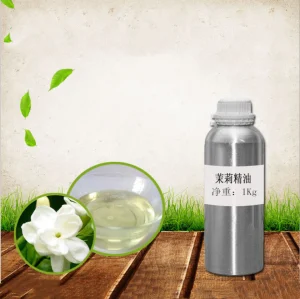
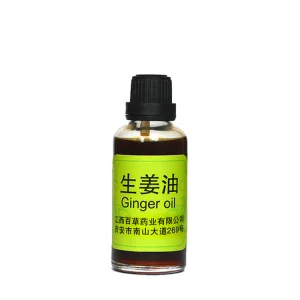
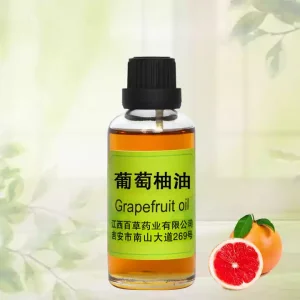
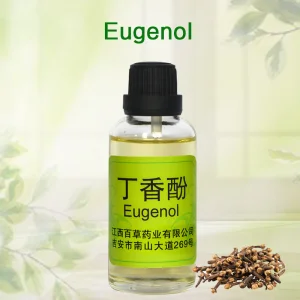
Industrial Executive Summary: Custom Cinnamon Essential Oil Engineering
Comprehensive analytical evaluation of bio-active cinnamaldehyde and eugenol matrices for commercial-scale formulators.
In the modern global industrial landscape, sourcing custom cinnamon essential oil requires a sophisticated understanding of botanical taxonomy, volatile organic compound (VOC) partitioning, and chemical standardization. Cinnamon essential oil is primarily derived from two distinct botanical sources: Cinnamomum verum (Ceylon Cinnamon / True Cinnamon) and Cinnamomum cassia (Chinese Cinnamon). As a premier custom cinnamon essential oil exporter, Jiangxi Baicao Pharmaceutical Co., Ltd. provides specialized distillation protocols to isolate precise concentrations of trans-Cinnamaldehyde (CAS: 104-55-2), Eugenol (CAS: 97-53-0), and Cinnamyl Acetate (CAS: 103-54-8) tailored for food, pharmaceutical, personal care, and agricultural applications.
The technical distinction between bark distillates and leaf distillates is a crucial parameter for industrial formulation engineers. Cinnamon bark oil typically possesses high trans-cinnamaldehyde levels ranging between 65% and 85%, delivering intensive antimicrobial, aromatic, and flavoring qualities. Conversely, cinnamon leaf essential oil is dominated by eugenol (70% to 85%), making it an ideal phyto-active intermediate for dental hygiene, natural preservation systems, and chemical synthesis. Partnering with a specialized exporter ensures that batch-to-batch organoleptic profile drift is eliminated through high-resolution Gas Chromatography-Mass Spectrometry (GC-MS) and High-Performance Liquid Chromatography (HPLC) validation.
| Botanical Source / Type | Primary VOC Marker | Standard Concentration | Secondary Phytochemicals | Key Industrial End-Use |
|---|---|---|---|---|
| Cinnamomum verum (Bark) | trans-Cinnamaldehyde | 65.0% - 80.0% | Cinnamyl Acetate, Linalool | High-End Flavors, Oral Care, Fine Fragrance |
| Cinnamomum verum (Leaf) | Eugenol | 70.0% - 85.0% | Beta-Caryophyllene, Safrole (<0.1%) | Phyto-Therapeutics, Dental Actives, Cosmeceuticals |
| Cinnamomum cassia (Bark) | trans-Cinnamaldehyde | 75.0% - 90.0% | o-Methoxycinnamaldehyde, Coumarin | Industrial Antimicrobials, Feed Additives, Confectionery |
| Custom CO2 Extract | Total Active Volatiles | Custom Tailored (up to 95%) | Full Spectrum Biomarkers Preserved | Premium Nutraceuticals, Advanced Agri-Chemicals |
Macro Industry Solutions & Cross-Sector Processing
Deploying pure botanical essential oil matrices to solve complex formulations in modern chemical, food science, and pharmaceutical sectors.
Food & Beverage Preservation
Cinnamon essential oil exhibits remarkable Minimum Inhibitory Concentration (MIC) performance against broad-spectrum foodborne pathogens including Escherichia coli, Salmonella enterica, and Listeria monocytogenes. Custom exported batches with controlled volatile profile allow food engineers to replace synthetic preservatives (e.g., sodium benzoate) with clean-label botanical ingredients while extending shelf life in bakery, beverage, and confectionery matrices.
Oral Care & Personal Hygiene
With its potent anti-plaque and anti-gingivitis bioactivity, cinnamon leaf and bark distillates serve as core active agents in premium oral hygiene formulations. Trans-cinnamaldehyde effectively disrupts bacterial biofilms formed by Streptococcus mutans. Custom exporter protocols provide clear, low-color fractionated oils that eliminate discoloration risk in transparent toothpaste and mouthwash matrices.
Agri-Tech & Green Biopesticides
As regulatory bodies phase out synthetic organophosphate pesticides, custom cinnamon oil formulations are rapidly gaining traction as eco-friendly biopesticides, acaricides, and botanical fungicides. Cinnamaldehyde damages fungal cell membranes and suppresses spore germination. Bulk exporting enables agricultural formulators to build organic-certified crop protection sprays with zero chemical residues.
Nutraceuticals & Phyto-Pharma
Modern pharmaceutical research highlights cinnamaldehyde's capacity to modulate insulin receptor sensitivity and downregulate pro-inflammatory cytokines (such as TNF-α and IL-6). Standardized custom cinnamon oils serve as high-potency intermediates for softgel encapsulation, lipid-based delivery systems, and metabolic health supplement lines.
Global Commercial & Industrial Market Landscape
Strategic overview of global sourcing economics, supply chain dynamics, and processing infrastructure in major producing regions.
The global essential oil market continues to undergo structural realignments, with cinnamon essential oil representing one of the highest growth segments across North America, Europe, and the Asia-Pacific region. Raw botanical harvesting is geographically concentrated in Sri Lanka, Vietnam, Indonesia, and China. However, raw material origin alone does not guarantee commercial viability for large-scale manufacturers; industrial distillation capability, rectification purity, and chemical standardization determine supply chain success.
China's sophisticated botanical processing infrastructure—exemplified by enterprise facilities in Jiangxi Province—acts as a pivotal global transformation hub. By integrating large-scale steam distillation units, continuous molecular fractionators, and fully automated packaging lines, primary agricultural bark and leaf biomass are converted into tightly specified, custom cinnamon essential oils that satisfy strict Western quality guidelines.
Primary Upstream Sourcing
Agricultural cultivation in South and Southeast Asia supplies raw bark and leaf materials, subject to seasonal yield variations and climate factors.
Industrial Processing Hubs
Advanced extraction sites process crude essential oils via fractional distillation and CO2 fluid technologies to achieve precise active assay targets.
Global Distribution Logistics
Temperature-controlled storage, nitrogen-blanketed steel drums, and comprehensive customs documentation guarantee international supply continuity.
Localization Support & Regulatory Compliance Framework
Navigating global chemical control laws, safety datasheets, and regional compliance mandates for seamless cross-border import.
European Union: REACH & IFRA 51
Importation of cinnamon essential oil into the EU requires compliance with EU REACH (EC 1907/2006) tonnage registration thresholds. Furthermore, topical cosmetic applications must comply with the 51st IFRA Amendment Standards, which strictly limit trans-cinnamaldehyde concentrations in finished leave-on formulations to prevent dermal sensitization.
United States: FDA GRAS & TSCA
In the United States, pure cinnamon distillates are classified as Generally Recognized as Safe (GRAS) under 21 CFR 182.20 for food flavoring uses. Industrial chemical uses require active listing on the Toxic Substances Control Act (TSCA) Inventory, along with GHS-compliant Safety Data Sheets (SDS).
Asia-Pacific & Middle East: Halal/Kosher
To support localized market penetration in Southeast Asia and the Middle East, custom exported oils are backed by recognized Halal (JAKIM/MUI) and Kosher Certifications. Extraction processes exclude ethyl alcohol solvents, guaranteeing 100% natural, solvent-free pure essential oils.
Localized Application Scenarios Across Global Markets
Customizing chemical specifications and physical packaging to suit regional manufacturing paradigms.
Clean-Label Food & Beverage
Major US food processors require low-coumarin cinnamon distillates to maintain compliance while labeling "Natural Cinnamon Flavor." Custom fractionated oils ensure zero synthetic cinnamaldehyde adulteration, verified via Carbon-14 isotopic analysis.
Cosmeceutical & Bio-Skincare
European personal care brands mandate strict allergen declarations (e.g., Cinnamal, Eugenol, Linalool). Our custom exporter services provide complete batch-specific chromatograms detailing exact allergen percentages down to 0.001% levels.
Traditional Wellness & Agrochemicals
High demand for bulk Cinnamomum cassia oil in East Asia centers around topical warming balms and eco-friendly agricultural pest management for rice and tea plantations.
Post-Harvest Crop Protection
Agro-industrial sectors in Brazil and Mexico deploy cinnamon essential oil emulsions as natural post-harvest anti-fungal treatments to protect citrus and papaya exports from decay.
Technical Roadmap & Future Innovations (2025–2030)
Pioneering green extraction kinetics, molecular fractioning, and microencapsulation for modern ingredient supply chains.
1. Supercritical Fluid Extraction (SFE-CO2) & Molecular Distillation
Traditional steam distillation can induce thermal degradation of sensitive aromatic esters and cause oxidation of cinnamaldehyde into cinnamic acid. Our technical roadmap incorporates advanced Supercritical CO2 Extraction running at low operational temperatures (31.1°C critical point). SFE-CO2 extracts yield a pristine, solvent-free phyto-complex that faithfully mirrors the natural organoleptic profile of fresh cinnamon bark without thermal artifacts.
2. Nano-Encapsulation & Cyclodextrin Inclusion Complexes
Volatilization and light sensitivity represent common challenges in essential oil application. Through ongoing collaborative R&D, custom cinnamon oil formulations are being engineered into Beta-Cyclodextrin micro-encapsulated powders and nano-emulsions. These technologies convert liquid essential oil into thermo-stable, water-dispersible solid powders, dramatically widening their application in dry beverage mixes, tablet pressing, and controlled-release bio-fertilizers.
Jiangxi Baicao Pharmaceutical Co., Ltd. — Operational Authority
Combining state-of-the-art manufacturing infrastructure with strict pharmaceutical quality control systems.
Located in the Jinggangshan Economic & Technological Development Area (Ji'an, Jiangxi Province, China), Jiangxi Baicao Pharmaceutical Co., Ltd. stands as an industry leader in natural plant essential oils and botanical extract manufacturing. Spanning an expansive 28,600 square meter GMP-certified facility, our operations are divided into specialized processing workshops engineered to eliminate cross-contamination:
- Essential Oil Extraction Workshop: Equipped with 6 automated stainless-steel distillation lines, multi-stage column fractionators, and cold-filtration systems.
- Plant Extract Powder Workshop: Houses 6 specialized spray drying and crystallization lines for water and alcohol-soluble botanical extracts.
- Advanced Testing Laboratory: Fully fitted with modern analytical equipment including GC-MS, HPLC, Atomic Absorption Spectrophotometers (AAS), and polarimeters.
Every batch of custom cinnamon essential oil delivered to international procurement partners is backed by complete technical documentation, including Certificates of Analysis (COA), Material Safety Data Sheets (MSDS), Gas Chromatograms, and Heavy Metal / Pesticide Residual reports.
Frequently Asked Questions (Procurement & Technical Q&A)
Expert answers addressing essential oil specifications, customization parameters, and international shipping protocols.
Featured Essential Oils & Pure Plant Extracts (Batch 02)
Additional pure extracts, carrier oils, and essential active oils available for direct OEM bulk ordering and contract manufacturing.