Direct GMP Inventory
Core Essential Oils & Botanical Formulations
Pre-qualified industrial lots tested by GC-MS, HPLC, and refractive density profiling for seamless turnkey formulation.
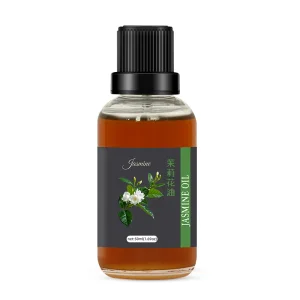
CE Certification Jasmine Essential Oil-Natural Fragrance
Inquire Wholesale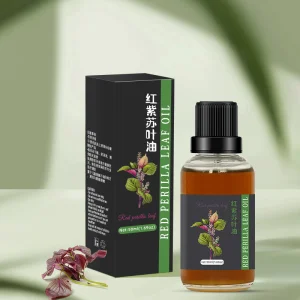
Cheap Edible Food Supplements Perilla Leaf Oil
Inquire Wholesale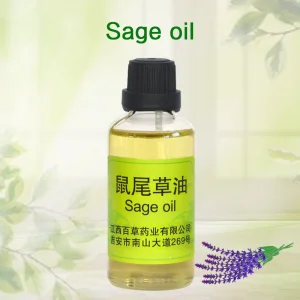
Buy Perfume oil, sage oil, cosmetic oil, Manufacturers
Inquire Wholesale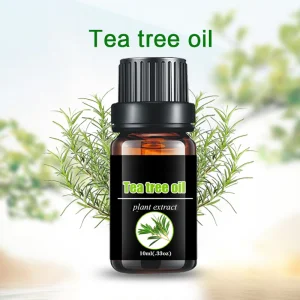
High-Quality Custom made tea tree essential oil
Inquire Wholesale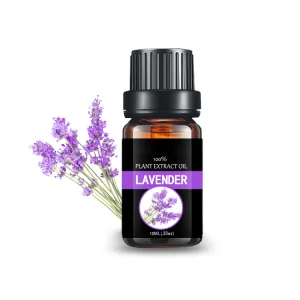
Custom Aromatherapy lavender essential oil perfume oil
Inquire Wholesale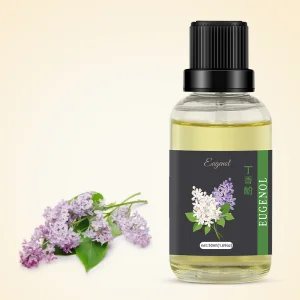
OEM Bulk Natural and Synthetic Eugenol for Skin & Body
Inquire Wholesale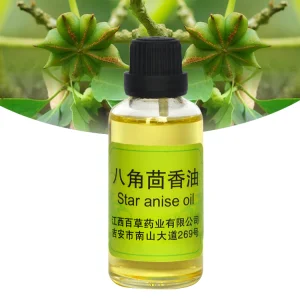
Wholesale Star anise oil Flavor plant extract Product
Inquire Wholesale
Industrial Status & Chemical Architecture
Global Cinnamon Diffuser Oil Market & Sourcing Dynamics
A rigorous review of volatile organic compounds (VOCs), diffusion flashpoints, and olfactory longevity across worldwide fragrance corridors.
Molecular Volatility & Evaporation Kinetics
Commercial cinnamon diffuser formulations depend entirely on controlling the evaporation curves of trans-cinnamaldehyde (boiling point 248°C) and eugenol (boiling point 254°C). Industrial ambient diffusers require fine-tuned viscosity modulators (such as low-odor dipropylene glycol or plant-derived isoparaffins) to prevent aerosol nozzle clogging while maintaining persistent diffusion intensity without thermal degradation.
Regulatory Thresholds & IFRA 51st Amendment
Global regulatory scrutiny over skin sensitization and mucosal reactivity demands rigorous IFRA Category 10A and 12 compliance for ambient air delivery. Direct steam-rectified cinnamon bark and cassia extracts contain coumarin and cinnamyl alcohol, requiring stringent GC-MS batch quantification to satisfy EU REACH, US CARB (California Air Resources Board), and OSHA indoor air quality thresholds.
Supply Chain Decentralization & Purity Risks
Unrefined cinnamon feedstocks regularly suffer from seasonal adulteration with synthetic cinnamaldehyde derived from petrochemical benzaldehyde. Jiangxi Baicao maintains total supply chain control via primary extraction facilities in Jiangxi and direct sourcing agreements, verifying chiral authenticity through Carbon-14 isotope testing and multi-dimensional GC-MS profiling.
| Analytical Parameter | Baicao Cassia Bark Standard | Baicao Ceylon Leaf/Bark Standard | Regulatory / QC Method |
|---|---|---|---|
| Botanical Source | Cinnamomum cassia Presl | Cinnamomum verum J. Presl | Botanical Identity Verified (DNA/HPTLC) |
| Primary Active Marker | Trans-Cinnamaldehyde: 80.0% – 92.0% | Eugenol: 70.0% – 85.0% (Leaf) / Cinnamaldehyde >65% (Bark) | Gas Chromatography (GC-FID / GC-MS) |
| Coumarin Concentration | < 3.5% (Controlled or Rectified) | < 0.05% (Naturally trace) | High-Performance Liquid Chromatography (HPLC) |
| Specific Gravity (20/20°C) | 1.052 – 1.070 | 1.030 – 1.055 | ISO 279 / Digital Density Metry |
| Refractive Index (20°C) | 1.600 – 1.614 | 1.530 – 1.545 | ISO 280 / Abbe Refractometer |
| Solubility Profile | Soluble in ethanol, DPG, triethyl citrate | Miscible in clean isoparaffins, IPM, ethanol | Standard Solubility Assay in Diffuser Carriers |
Emerging Trends & Application Systems
Commercial Differentiation & Ambient Delivery Paradigms
From luxury commercial scent branding to micro-encapsulated cold-air nebulization, explore how engineered cinnamon diffuser oils transform environments.
Hospitality & Commercial Olfactory Branding
Luxury hotel lobbies, premium automotive dealerships, and upscale retail environments use custom cinnamon diffuser bases combined with warm amber, patchouli, and bergamot. The comforting, appetite-stimulating, and anxiety-reducing notes of warm spices drive consumer dwell time and establish subconscious brand recall across international retail corridors.
Cold-Air Nebulization HVAC Direct Ingestion
Traditional heating pads oxidize cinnamaldehyde into harsh cinnamic acid. Modern facilities deploy sub-micron cold-air venturi nebulizers integrated directly into centralized AHU (Air Handling Units). Baicao produces ultra-low residue cinnamon oils engineered for zero particulate gumming, ensuring uniform dispersion across 10,000+ m³ zones without aerosol dropouts.
Bio-Active Indoor Air Cleansing Formulations
Due to the well-documented antibacterial and antifungal efficacy of natural cinnamaldehyde against airborne pathogens, commercial centers increasingly utilize low-dosage cinnamon oil blends to inhibit mold spore proliferation and eliminate volatile microbial organic compounds (MVOCs) in high-traffic fitness, corporate, and healthcare spaces.
Forward Engineering Roadmap
Technical Roadmap & Sustainable Extraction Blueprint
Continuous evolution toward non-thermal molecular rectification, supercritical CO2 fractionation, and zero-VOC biodegradable delivery matrixes.
Phase 1: Present
Fractional Vacuum Molecular Rectification
High-vacuum, short-path distillation to precisely isolate trans-cinnamaldehyde while stripping phototoxic and reactive fractions. Yields water-clear, non-discoloring diffuser bases optimized for pristine reed and ultrasonic systems.
Phase 2: Near Horizon
Supercritical CO2 Selective Extraction
Replacing traditional prolonged steam distillation with low-temperature CO2 solvent-free extraction. Retains the delicate, non-charred floral-terpenic nuances of fresh cinnamon bark without generating harsh thermal artifacts or chemical residues.
Phase 3: Ecosystem Advance
100% Bio-Renewable Solvation Carriers
Engineering patent-pending bio-glycols derived from fermentation waste streams. Fully replaces petrochemical solvents with carbon-neutral, non-VOC, hypoallergenic carriers for next-generation European and North American green-building certifications.
Phase 4: Future Vision
Intelligent Sensor-Responsive Microencapsulation
Deploying biodegradable alginate-chitosan microcapsules that dynamically trigger cinnamon fragrance release upon detection of ambient temperature rises or airflow fluctuations, maximizing raw ingredient shelf life by over 300%.
Technical & Commercial FAQ
Enterprise Sourcing & Formulation FAQ
Authoritative technical guidance compiled by Baicao Pharmaceutical's analytical chemistry and export regulatory division.
What causes cinnamon diffuser oils to discolor or clog ultrasonic nebulizers?
Cinnamon oil is rich in phenolic compounds and aldehydes (primarily trans-cinnamaldehyde), which readily oxidize and undergo polymerization when exposed to ultraviolet light, high temperatures, or trace transition metals. This results in dark reddish-brown resins with elevated molecular weight, causing nozzle occlusion in cold-air nebulizers. Jiangxi Baicao solves this through vacuum molecular rectification to eliminate resinous tar precursors, combined with amber nitrogen-purged packaging and optional natural tocopherol stabilization.
How does Baicao guarantee regulatory compliance with IFRA and EU Cosmetic Regulations?
Every production batch undergoes analytical screening via Agilent GC-MS and HPLC systems in our 28,600 m² facility. We issue comprehensive documentation, including Certificates of Analysis (COA), 16-section SDS conforming to GHS/CLP standards, IFRA 51st Amendment certificates detailing exact safe use limits across categories 10A, 11A, and 12, EU 26 Allergen Declarations, and non-animal testing attestations.
What are the minimum order quantities (MOQ) and packaging configurations for bulk exports?
We provide scalable fulfillment from pilot trials to full container loads (FCL). Standard packaging configurations include 1 kg fluorinated HDPE containers, 5 kg / 25 kg fluorinated plastic drums, and 180 kg / 200 kg epoxy-phenolic coated internal steel drums with UN certification for hazardous aromatic compounds. For turnkey OEM private label brands, we provide automated bottling from 10 ml to 500 ml glass dropper bottles and reed diffuser vessel sets.
Can Baicao customize the viscosity and flashpoint of cinnamon diffuser oil blends?
Yes. HVAC and cold-mist systems require higher flashpoints (>75°C to >93°C) to comply with international fire codes and building transit regulations, whereas reed diffusers require balanced kinematic viscosity (typically 2.5 – 5.0 cSt at 25°C) to facilitate capillary action through rattan or synthetic polymer reeds. Our formulating chemists engineer custom matrices blending cinnamon isolate fractions with odorless cosmetic-grade DPG, Dowanol TPM, or eco-friendly Augeo clean solvents.
What is the difference between Cinnamomum cassia and Cinnamomum verum (Ceylon) for diffusion?
Cinnamomum cassia is characteristically intense, sweet, and pungent due to high cinnamaldehyde levels (80%–92%), making it ideal for powerful room filling and cost-effective commercial ambient scenting. Cinnamomum verum (Ceylon cinnamon) exhibits a more nuanced, sweet-woody, and delicate profile with higher natural eugenol content (often 70%+ in leaf oil), preferred in fine luxury perfumery, high-end aromatherapy reed sets, and upscale residential formulations.
Comprehensive Catalog Selection
High-Purity Natural Botanical Extracts & Specialty Oils
Explore our continuous supply line of therapeutic-grade aromatics, plant crystals, and active carrier oils.
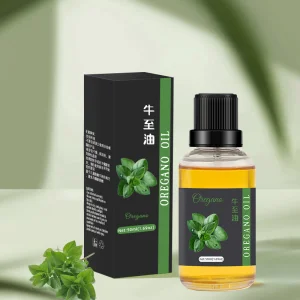
China Low Price Wholesale 100% Pure Natural Oregano Oil
Inquire Wholesale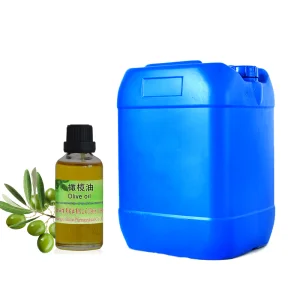
Best Aromatic essential oil olive oil cosmetic oil Pricelist
Inquire Wholesale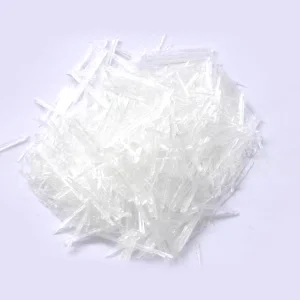
OEM 2216-51-5 menthol flake, 100% pure natural crystal
Inquire Wholesale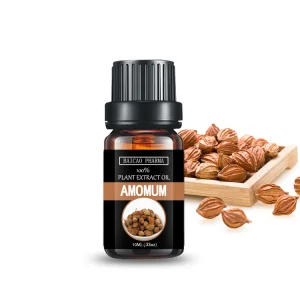
High-Quality Amomum oil medicinal grade extract Supplier
Inquire Wholesale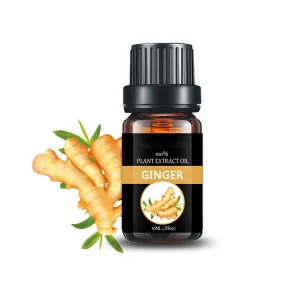
Buy Fragrance Oil Ginger Essential Oil Body Massage
Inquire Wholesale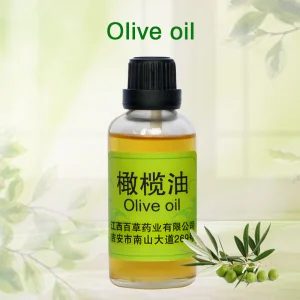
Discount Fragrance essential oil olive oil plant extract
Inquire Wholesale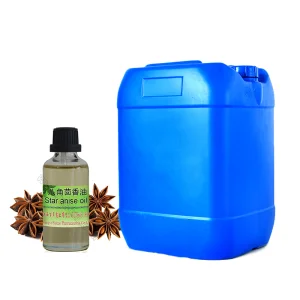
Custom Jiangxi exporters natural star anise essential oil
Inquire Wholesale