Standardized Botanical & Essential Oil Inventory
Laboratory-qualified botanical extracts manufactured under GMP protocols with full GC/HPLC verification.
Analytical Chemistry & Chemotype Profiles of Cardamom Oil
A comprehensive examination of Elettaria cardamomum and Amomum chemotypes for enterprise procurement directors requiring strict chromatographic compliance.
| Analytical Parameter | True Cardamom (Elettaria cardamomum) | Chinese Black Cardamom (Amomum tsao-ko / villosum) | Detection Methodology |
|---|---|---|---|
| Primary Bio-markers | α-Terpinyl Acetate (30-45%), 1,8-Cineole (25-35%) | 1,8-Cineole (40-60%), Trans-2-decenal, Limonene | GC-FID & GC-MS Normalization |
| Organoleptic Attributes | Warm, spicy, sweet balsamic note, light floral undertone | Deep spicy, smoky, resinous woody, robust herbal note | ISO 8586 Sensory Evaluation |
| Relative Density (20/20°C) | 0.919 – 0.936 | 0.910 – 0.928 | ISO 279 Oscillating U-tube |
| Refractive Index (20°C) | 1.4620 – 1.4680 | 1.4650 – 1.4750 | ISO 280 Abbe Refractometry |
| Optical Rotation (20°C) | +22.0° to +44.0° | -10.0° to +15.0° | ISO 592 Polarimetric Verification |
| Heavy Metals (Pb, Cd, As, Hg) | < 5.0 ppm Total Heavy Metals | < 5.0 ppm Total Heavy Metals | ICP-MS (Inductively Coupled Plasma) |
Why Tier-1 Formulators Rely on Chinese Manufacturing Infrastructure
Combining domestic botanical agro-clusters in Jiangxi, Guangxi, and Yunnan with high-throughput thermodynamic extraction technology.
Fractional Distillation Engineering
Unlike artisanal batch evaporators, Chinese industrial facilities deploy digital multi-stage vacuum fractional distillation columns. This infrastructure enables fine isolation of sharp volatile top-notes while eliminating heavy pyrolytic off-notes, securing reproducible batches tailored for perfumery and pharmaceutical delivery systems.
- Temperature control calibrated within ±0.5°C
- Nitrogen-blanketed closed condensation
Comprehensive Raw Material Hegemony
Situated within the Jiangxi and southwestern Chinese agricultural hubs, production centers bridge access to high-yielding Amomum plantations while executing duty-optimized deep sea import of Guatemalan and Indian seed lots. This dual supply strategy protects procurement directors from local crop failures and seasonal market squeezes.
- Direct agricultural cooperative partnerships
- Guaranteed annual contracted volume stability
Regulatory Testing Integrity
Every single export drum is issued with comprehensive analytical packages certified by ISO/IEC 17025 accredited laboratories. By integrating high-resolution Gas Chromatography Coupled with Mass Spectrometry (GC-MS) and chiral column analysis, synthetic esters and diluent adulterants (such as DEP or mineral oils) are detected and excluded.
- Full Chiral GC verification on critical esters
- EU Pharmacopoeia & USP compliance
Localized Applications & Industrial Use Cases
Examining how high-purity cardamom volatile oil is leveraged across pharmaceutical formulations, fine perfumery, and functional gastronomy.
Pharma & Gastrointestinal
Cardamom oil provides carminative, antispasmodic, and antimicrobial mechanisms. It is widely emulsified into gastrointestinal suspensions, encapsulated supplements, and oral rinses addressing pathogen proliferation.
Fine Fragrance & Cosmetics
Valued as an evocative middle note that bridges citrus top accords and resinous woody bases. Cardamom oil provides a sophisticated spicy vibrancy in fine masculine and unisex perfumes without sensitizing photo-reactions.
Flavor & Functional Beverage
High thermal stability allows cardamom essential oil to preserve distinctive pungency across baked confectionery, carbonated botanical mixers, spirits, chai tea concentrate blends, and preserved meat seasonings.
Clinical Aromatherapy
Diffused in neuro-sensory wellness facilities to reduce physical mental fatigue and enhance respiratory airway clear pathways due to cineole concentrations interacting with pulmonary pathways.
Macro Supply Chain Challenges & Enterprise Mitigations
How institutional corporate buyers insulate their manufacturing pipelines from spot market volatility and geopolitical disruptions.
Mitigating Crop & Price Volatility
Cardamom crops suffer extensive cyclical volatility driven by weather shifts across Central America and South Asia. Enterprise exporters mitigate exposure through forward contracting agreements backed by climate-controlled warehousing hubs in mainland China, effectively stabilizing ingredient costs over rolling multi-year purchasing horizons.
ESG & Deforestation Traceability
With stringent EU Corporate Sustainability Due Diligence and global supply compliance laws, buyers demand verifiable geolocation mapping. Chinese botanical processors systematically implement transparent farm-to-extract serialization codes, documenting renewable firewood biomass usage in drying kilns and pesticide-free farming records.
Turnkey OEM / Private Label Systems
Global retail distributors increasingly skip domestic secondary co-packers. Utilizing factory-direct Class 100,000 cleanrooms, clients contract high-speed amber dropper bottling, custom tamper-evident labeling, serialized barcoding, and direct dispatch to regional fulfillment centers worldwide.
Frequently Asked Questions for B2B Cardamom Oil Sourcing
Clear, unhedged answers to critical quality control, documentation, export, and custom quote inquiries.
How do you verify cardamom essential oil against synthetic adulteration?
Adulteration commonly involves blending with synthetic 1,8-cineole, terpinyl acetate, or citrus-derived limonene. We deploy Gas Chromatography coupled with Isotope Ratio Mass Spectrometry (IRMS) and Chiral GC columns. Natural botanical cardamom exhibits specific enantiomeric ratios that synthetic chemicals cannot replicate, which are detailed in our batch-specific analytical COAs.
What is the standard packaging specification for bulk enterprise exports?
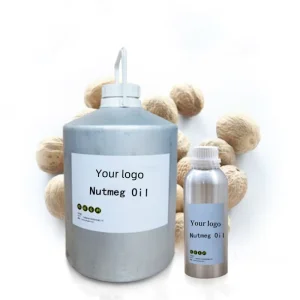
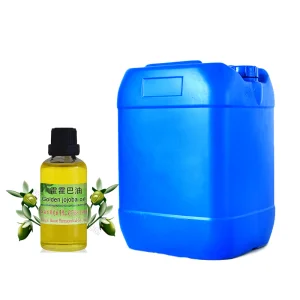
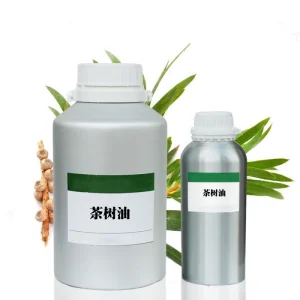
For industrial chemical, flavor, and cosmetic manufacturers, standard export configurations include 25kg UN-approved fluorinated HDPE jerrycans, 50kg epoxy-coated steel drums, and 180kg-200kg heavy-gauge galvanised steel drums sealed under inert nitrogen headspaces. Small-batch pilot shipments use aluminum canisters with airtight induction seals.
What documentation accompanies an international export shipment?
Each container or parcel leaves our GMP facility accompanied by a comprehensive technical dossier: Certificate of Analysis (COA) containing exact GC-MS peak percentages, GHS-compliant 16-section Safety Data Sheet (SDS/MSDS), IFRA 51st Amendment conformity statements, Allergen Declarations, Non-GMO verification, Kosher & Halal certificates, and Certificate of Origin (COO).
What are the minimum order quantities (MOQ) and lead times for custom quotes?
Standard spot stock evaluations have an MOQ of 1 kg for lab pilot validation. Commercial bulk orders typically start at 25 kg. For custom fractional rectifications, target chemotype specifications, or private-label bottled retail runs, the standard MOQ is 100 kg, with typical production dispatch turnaround times ranging between 7 and 14 business days.
Commercial Botanical Extracts & Distillates
Enterprise procurement catalogue supporting continuous supply contracts and OEM brand packaging.