Post-Distillation Active Agents & Anti-Insect Botanical Oils
Direct supply from Jiangxi Baicao Pharmaceutical: Standardized botanical distillates, high-purity carrier matrixes, and bio-active repellents analyzed via GC-MS and HPLC.
Mechanisms of Action: How Terpenoids & Phenolics Neutralize Formicidae
Moving beyond anecdotal folk repellents: Industrial formulations leverage verified molecular targets in ant physiology, neuro-receptors, and social pheromone networks.
1. Disruption of the Octopaminergic Neuro-System
Ants (family Formicidae) rely heavily on octopamine, a specialized biogenic amine neurotransmitter that governs neuromuscular coordination, foraging motivation, alertness, and aggressive behavioral responses. Synthetic chemical insecticides like organophosphates and carbamates primarily target acetylcholinesterase, posing secondary mammalian toxicity risks. In direct contrast, monoterpenes—abundantly extracted from Chinese botanical sources—act selectively upon octopaminergic receptor complexes.
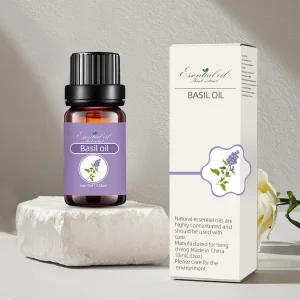
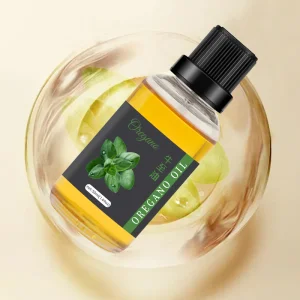
Compounds such as carvacrol (from pure oregano oil), thymol, linalool (found in basil distillates), and eugenol disrupt intracellular cyclic adenosine monophosphate (cAMP) cascades within the insect's central nervous system. This causes catastrophic hyper-excitation, paralysis, and rapid knockdown without leaving persistent ecotoxic halogenated residues in residential or food production environments.
2. Cuticular Hydrocarbon Breakdown & Rapid Dehydration
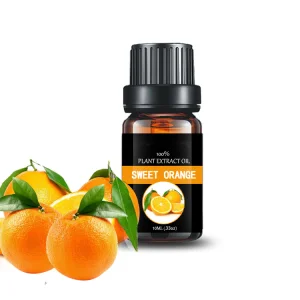
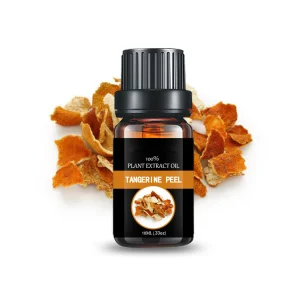
The survival of worker ants outside their subterranean nest microclimate depends upon an ultra-thin epicuticular wax layer consisting of long-chain hydrocarbons, wax esters, and fatty acids. This microscopic coating protects against water loss. Botanical extracts such as cold-pressed terpene hydrocarbons (abundant in D-Limonene from tangerine and citrus fractions) act as aggressive organic solvents on this lipid barrier.
Upon topical contact via microemulsions or perimeter sprays, low-viscosity terpene molecules liquefy the protective epicuticle. This causes rapid trans-cuticular fluid evacuation, leading to desiccation, loss of internal osmotic pressure, and mortality within minutes. When formulated alongside wetting agents or penetrating bio-surfactants, the lethal dosage threshold (LC50) decreases significantly, allowing formulators to use lower concentrations with higher strike rates.
3. Chemical Trail Masking & Antennal Olfactory Obliteration
Ant colonies operate as superorganisms governed by trail pheromones (specifically alkylpyrazines, methyl 4-methylpyrrole-2-carboxylate, and related chemical signposts) deposited by scout ants via abdominal glands. Even a minor infestation involves an invisible, persistent navigational highway that guides thousands of foraging workers to food stores.
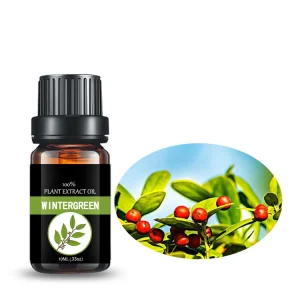
High-volatility compounds like methyl salicylate (derived from pure wintergreen distillation) and aromatic terpenoids vaporize uniformly across treated flooring, thresholds, and masonry fissures. These vapor fractions saturate the ant’s sensitive antennal basiconic sensilla. By obliterating the pheromone signal gradient, worker ants become completely disoriented, halting recruitment, cutting off the nutritional supply to reproductive queens, and forcing rapid nest collapse.
Neuro-Knockdown Speed
Terpenoid vapor phase interaction induces rapid sensory overloading within seconds of exposure, terminating trailing behaviors instantly upon perimeter contact.
Non-Resistance Trajectory
Unlike single-target synthetic molecules, raw botanical distillates contain poly-molecular synergies (up to 40 minor constituents), preventing genetic resistance mutations.
Biodegradable Footprint
Full environmental mineralization into benign carbon dioxide and water within days. Leaves zero carcinogenic groundwater contamination or bioaccumulative soil drift.
Why Sourcing Ant-Repelling Essential Oils from China Leads Global Supply
China's botanical extraction industry has evolved into a global powerhouse, combining vast raw agricultural cultivation with pharmaceutical GMP manufacturing.
Industrial Scale, Agronomic Geolocation & Complete Supply Integration
The manufacturing backbone of insect-repellent essential oils is concentrated in China's subtropical provinces, notably Jiangxi, Yunnan, Guangxi, and Sichuan. Jiangxi Baicao Pharmaceutical operates directly within the Jiangxi botanical corridor—a region boasting exceptional climatic conditions for high-yield medicinal herbs such as Mentha arvensis, Cinnamomum camphora, Asarum, capsicum, and citrus groves.
This geographic positioning establishes total vertical integration. Raw botanical feedstock moves from contract farming collectives directly into high-capacity steam distillation and cold-pressing tanks within hours of harvest. By eliminating intermediary trading hubs and overseas transit of perishable vegetative mass, volatile monoterpene fractions are protected from oxidation, thermal degradation, and contamination.
Analytical Lab Governance: GC-MS and HPLC Batch Fingerprinting
A major vulnerability in global botanical procurement is deliberate synthetic adulteration—such as adding petrochemical-derived limonene, synthetic methyl salicylate, or non-disclosed glycols to dilute pure plant oils. Leading Chinese GMP factories employ rigorous multi-dimensional analytical protocols:
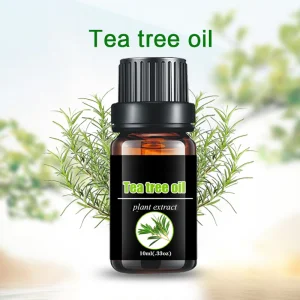
- Gas Chromatography-Mass Spectrometry (GC-MS): Profiles every trace compound against NIST chemical databases, confirming the precise ratio of active isomers (e.g., terpinen-4-ol levels in tea tree fractions, carvacrol vs. thymol ratios in oregano).
- High-Performance Liquid Chromatography (HPLC): Verifies concentrated non-volatile polyphenols and validates active compound yields in botanical extract powders.
- Chiral Gas Chromatography: Distinguishes natural enantiomers from synthetic bio-identical substitutes, ensuring strict compliance with regulatory definitions for authentic green biopesticides.
Scale, Capacity, and Turnkey Formulation Flexibility
Modern Chinese extraction complexes maintain multiple continuous production lines capable of processing hundreds of metric tons of botanical matter monthly. From 25kg fluorinated drums to 1-ton IBC totes and customized small bottle private-label packing, facilities provide the flexibility required by international pest control brands, chemical formulators, and retail distributor networks.
Global Market Dynamics: The Paradigm Shift to Botanical Ant Control
Regulatory restrictions, ESG compliance, and evolving consumer awareness are driving an unprecedented transition from synthetic neurotoxins to botanical repellent solutions.
EPA 25(b) Exemptions & Fast Registration
Under US federal regulations, select active plant oils (clove, thyme, peppermint, wintergreen) qualify as Minimum Risk Pesticides. Importers leverage these exemptions to avoid multi-year, multi-million dollar EPA registration backlogs.
EU Biocidal Products Regulation (BPR)
Strict European Union rules on traditional organophosphates and synthetic pyrethroids are driving formulators toward certified, sustainably harvested botanical actives with low toxicity and clean environmental profiles.
Corporate ESG & LEED Building Demands
Commercial facilities, hospitals, green building complexes, and luxury resorts now mandate non-toxic pest abatement systems, eliminating pesticide-induced indoor air quality (IAQ) hazards for occupants.
The Rise of Microencapsulated & Controlled-Release Formulations
Historically, the primary challenge of using pure essential oils in pest control was their rapid volatility. While a spray of pure terpene fractions produces an immediate knockdown and repellent barrier, ambient air currents, thermal exposure, and UV radiation can cause the active vapor field to dissipate within 24 to 48 hours.
Leading Chinese chemical engineering programs have solved this limitation through cutting-edge formulation technologies:
- Polymeric Microencapsulation: Suspending active monoterpenes within biodegradable maltodextrin, alginate, or modified chitosan shells creates physical micro-spheres. These deliver slow, metered vapor release over 30 to 90 days.
- Nano-Emulsion Water-Based Concentrates: Utilizing advanced droplet homogenizers to break oil fractions into droplet sizes under 100 nanometers ensures clear, non-greasy dilution in water. This allows transparent perimeter spraying that won't stain commercial building interiors.
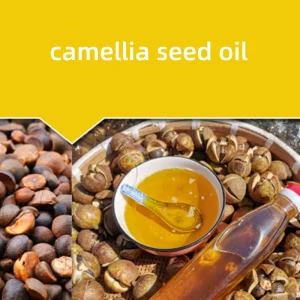
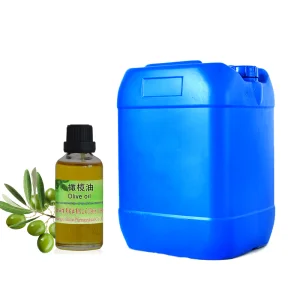
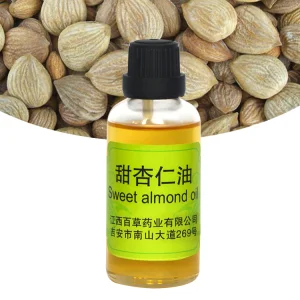
- Fixative Carrier Oil Synergies: Combining high-volatility essential oils with heavy, shelf-stable carrier oils like camellia seed oil, refined olive oil, and sweet almond oil slows evaporation. This creates lasting surface barriers along ant runways and structural entry points.
Enterprise-Grade Application Scenarios & Sector-Specific Deployments
Engineered essential oil formulations address unique challenges across diverse commercial, agricultural, and industrial environments.
Food Processing & Grain Facilities
Zero-residual toxicity allows safe perimeter barrier treatments in bakeries, flour mills, and grain silos where chemical insecticides risk food contamination and regulatory shutdowns.
High-Density Hospitality & Spas
Delivers effective ant deterrence with pleasing natural aromas. Eliminates chemical pesticide odors in hotel guest suites, dining verandas, and luxury spa environments.
Greenhouse Horticulture & Orchards
Disrupts mutualistic ant-aphid relationships. Eliminates trailing ants protecting destructive aphid colonies without harming vital honeybee and bumblebee pollinators.
Institutional & Healthcare Facilities
Safe, compliant insect control for pediatric wards, elderly care facilities, and schools where airborne synthetic pesticide toxins are strictly prohibited by law.
Turnkey OEM/ODM Contract Formulations from Chinese Manufacturers
Global procurement teams can leverage extensive custom formulation capabilities tailored to diverse end-use formats:
- Concentrated Emulsifiable Solutions (EC): High-potency active formulations combining active botanical fractions (peppermint, oregano, methyl salicylate, wintergreen) with plant-based bio-surfactants (polysorbates, alkyl polyglucosides). Formulated for dilution with water at 1:20 to 1:100 ratios by professional pest control operators.
- Pressurized Aerosol Surface Barrier Sprays: Packaged in leak-tested aluminum canisters with precision directional straw actuators. Formulated for targeting tight crevices, electric wire chases, and building weep holes where ants infiltrate wall cavities.
- Slow-Release Granular Mineral Matrices: Botanical oils absorbed into porous mineral carriers like diatomaceous earth, zeolite, or calcined clay. Provides perimeter weather-resistance against external rain and sprinkler washout in outdoor perimeter defense applications.
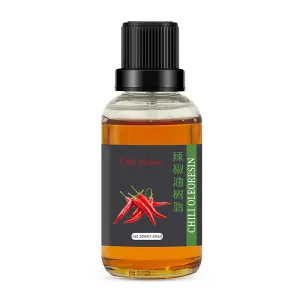
- Chalk and Gel Solid Barrier Formulations: Botanical wax compositions containing high doses of active capsicum oleoresin, wintergreen, and citrus terpenes, creating physical and sensory barrier strips that worker ants cannot cross.
Enterprise Sourcing Checklist: Qualifying an Essential Oil Factory in China
Essential audit protocols for global procurement directors, quality assurance managers, and chemical importers to verify supplier legitimacy and eliminate quality drift.
1. Gas Chromatography Audit
Demand batch-specific GC-MS trace reports. Verify key bioactive markers (e.g., cineole > 80% for eucalyptus fractions, carvacrol > 70% for oregano, methyl salicylate > 98% for wintergreen).
2. Flash Point & DG Logistics
Verify clear Safety Data Sheets (MSDS/SDS compliant with GHS Revision 8). Determine UN transport numbering, class 3 flammable liquid classifications, and packaging certifications.
3. Heavy Metal & Solvent Screening
Ensure products undergo trace analysis for lead, cadmium, mercury, and arsenic (ICP-MS), along with zero residual extraction solvent limits compliant with USP <467> guidelines.
Packaging Integrity & International Logistics Protocols
High-terpene botanical formulations are aggressive organic compounds that can soften low-density plastics (LDPE/PET) and degrade unlined closures during ocean transit. High-tier Chinese manufacturers utilize strictly certified transport vessels:
- Fluorinated High-Density Polyethylene (HDPE) Drums: Class-1 fluorination treatment prevents vapor permeation, wall collapse, and chemical embrittlement over long-distance transit.
- Epoxy-Phenolic Lined Steel Drums: 200-liter heavy-gauge steel drums with internal inert barriers designed for bulk wholesale industrial shipments.
- UN-Rated Food & Pharmaceutical Grade Aluminum Canisters: Used for concentrated, high-value volatile oils like wintergreen, tea tree, and high-purity aromatics.
- ISO Tank Containers: Engineered for corporate pesticide multinationals demanding bulk volume imports of 20 to 24 metric tons per tank unit, equipped with nitrogen blankets to prevent oxidation.
Frequently Asked Questions: Technical Sourcing & Manufacturing
Direct answers from chemical engineers and export specialists to support your supply chain validation.
Which essential oils demonstrate the highest kill and repellency rates against ants?
Independent entomological assays indicate that methyl salicylate (wintergreen), pure carvacrol (oregano), and D-limonene (citrus/tangerine peel) exhibit the fastest contact toxicity and sensory disruption. For trail masking, peppermint (Mentha arvensis) and clove-derived eugenol provide the longest-lasting spatial repellent barrier.
How does China's pricing compare to traditional European or American distillation houses?
Chinese manufacturers offer a 30% to 50% cost advantage on bulk botanical oils. This is driven by deep domestic raw material cultivation across southern provinces, in-house coal-free biomass steam distillation, integrated drum packaging lines, and high-throughput production scale.
Are botanical ant control formulations stable under elevated temperatures?
Raw essential oils are volatile, but formulated concentrates remain chemically stable up to 50°C when paired with plant-based fixatives (e.g., cold-pressed camellia seed oil or refined sesame matrixes) and microencapsulated cyclodextrins. This prevents degradation during warm-weather storage.
What minimum order quantities (MOQ) apply for bulk and private label formulations?
Bulk industrial supply packaged in 25kg HDPE carboys or 180kg steel drums typically carries a 1-drum (25kg to 180kg) MOQ. Customized private-label packaging (e.g., 30ml, 100ml, 500ml retail spray bottles with printed boxes) generally requires 1,000 to 3,000 units per production run.
What documentation accompanies international biopesticide shipments?
Every shipment is supplied with a comprehensive documentation dossier: Batch Certificate of Analysis (COA), 16-section GHS-compliant Safety Data Sheet (MSDS), Gas Chromatography Mass Spectrometry (GC-MS) trace, Certificate of Origin (COO), and Non-DG/DG Air & Sea transport declarations.
Can you provide custom emulsion blending for water-based ready-to-use (RTU) sprays?
Yes. Our chemical engineering team develops customized water-soluble concentrates. Utilizing eco-certified bio-surfactants, we produce stable, crystal-clear microemulsions that mix seamlessly with water, leaving zero oily film or interior surface staining.
Carrier Systems, Organic Active Solvents & Synergistic Bases
Integrate certified botanical oils into multi-functional insecticidal repellents, cosmetic-grade aromatics, and durable carrier formulations.