Certified Pure Botanical Extracts & Industrial Distillates
Verified batches compliant with international monographs, backed by GC-MS chromatographic assay certificates and documented export files.

Commercial Status & Global Supply Dynamics of Cinnamon Tree Distillates
Decoding market valuation, botanical chemotypes, and the geopolitical shifts governing wholesale cinnamon oil supply chains.
Botanical Speciation & Yield Realities
The global essential oil market divides cinnamon tree distillates into two critical botanical classifications: Cinnamomum cassia (Chinese Cinnamon) and Cinnamomum verum (Ceylon Cinnamon). Industrial procurement depends on identifying the precise anatomical source: bark distillation versus twig/leaf distillation.
- Cinnamon Bark Oil: Characterized by high concentrations of trans-cinnamaldehyde (75% to 90%), imparting intense heat, pungency, and dominant antimicrobial properties.
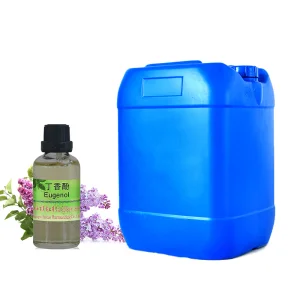
- Cinnamon Leaf Oil: Diverges chemically toward eugenol (70% to 85%), offering phenolic, clove-like aromatic notes critical for fragrance blending and dental therapeutics.
Valuation & The Adulteration Challenge
Valued at over USD 1.15 billion globally with an anticipated CAGR of 7.4% through 2032, commercial procurement faces systemic vulnerabilities. Unscrupulous brokers dilute cold-distilled cinnamon oil with petroleum-derived synthetic cinnamaldehyde or adulterate true cassia with low-grade solvent washes.
- Synthetic Cinnamaldehyde Spiking: Detectable via chiral capillary chromatography and Carbon-14 (14C) isotopic radiocarbon assay.
- Natural Impurity Signatures: True botanical extraction must exhibit endogenous trace markers, including benzaldehyde, cinnamyl acetate, and o-methoxycinnamaldehyde.
CE Certification & Compliance Frameworks
In global industrial commerce, asserting "CE Certification" signifies that botanical volatile extracts comply with harmonized European safety, environmental, and consumer protection directives when intended for device-mediated dispersal, biocidal sanitation, or medical therapeutic classifications.
- REACH & CLP Regulations: Comprehensive toxicological dossiers specifying skin sensitization (Category 1) and aquatic toxicity profiles.
- CPSR (Cosmetic Product Safety Report): Rigorous adherence to IFRA 51st Amendment limits on cinnamaldehyde as a potent dermal sensitizer.
Technical Specification & GC/GC-MS Profiling Matrix
Rigorous analytical criteria established by Jiangxi Baicao Pharmaceutical Co., Ltd. in accordance with Ph. Eur., USP, and ISO 3216 standards.
| Analytical Parameter | Cinnamon Bark Distillate (C. cassia) | Cinnamon Leaf Distillate (C. verum) | Testing Protocol / Instrument |
|---|---|---|---|
| Botanical Sourcing | Dried inner bark & selected twigs | Selected mature botanical foliage | DNA Barcoding / Macroscopic Botanical Identification |
| Trans-Cinnamaldehyde Content | 75.0% – 90.0% | < 5.0% (trace presence) | Gas Chromatography Flame Ionization Detector (GC-FID) |
| Eugenol Assay | < 2.5% | 70.0% – 85.0% | GC-MS Quantitative Library Calibration (NIST) |
| Coumarin Concentration | Controlled (< 1.5% to 4.0% natural range) | < 0.1% (negligible) | High-Performance Liquid Chromatography (HPLC-DAD) |
| Relative Density (20°C / 20°C) | 1.045 to 1.070 | 1.035 to 1.055 | Digital Density Pycnometry (Oscillating U-Tube) |
| Refractive Index (20°C) | 1.600 to 1.614 | 1.528 to 1.545 | Automatic Temperature-Compensated Refractometer |
| Heavy Metals (Pb, Cd, As, Hg) | < 10 ppm combined (Pb < 2 ppm) | < 10 ppm combined (Pb < 2 ppm) | Inductively Coupled Plasma Mass Spectrometry (ICP-MS) |
| Residual Solvent Residues | ND (Zero trace – purely steam distilled) | ND (Zero trace – purely steam distilled) | Headspace Gas Chromatography (HS-GC-MS) |
Chiral Gas Chromatography
Resolves natural enantiomeric distributions to confirm genuine biosynthesized cinnamon active metabolites versus synthetic petrochemical replacements.
HPLC Coumarin Profiling
Maintains safety compliance with EU Regulation (EC) No 1334/2008 concerning coumarin ceilings in commercial foodstuffs and flavor systems.
Pesticide Screen (300+ Active Compounds)
Multi-residue screening by LC-MS/MS guaranteeing zero detectable agricultural organophosphates, organochlorines, or synthetic pyrethroids.
Batch-Retained QC Library
Retained lot repositories stored in dark, nitrogen-blanketed chambers at ≤15°C for a minimum of 36 months for total traceability.
Chinese Manufacturing Efficiency: The Jiangxi Baicao Advantage
Combining domestic botanical forestry reserves with GMP-standard thermodynamic fractional extraction facilities.
28,600 m² GMP Industrial Complex
Situated in the Jinggangshan Economic & Technological Development Area of Ji'an, Jiangxi, our facility operates within China's primary hub of medicinal botanical biodiversity. The physical architecture strictly isolates essential oil distillation workshops from dry plant powder extraction units to completely prevent volatile cross-contamination.
12 Automated Production Lines
Six automated lines are exclusively calibrated for continuous multi-stage steam distillation, fractional vacuum rectification, and sterile nitrogen-purged filling. Our high-efficiency recovery condensors achieve condensation yield efficiencies exceeding 98.4% of available volatile oils from cinnamon feedstock.
Cost Arbitrage & Supply Security
Direct supply contracts with sustainable cinnamon agroforestry plantations across southern China eliminate intermediary trader markups. Coupled with high-capacity continuous stills, Baicao delivers a structural 18% to 27% production cost advantage compared to fragmented Southeast Asian distillation mills.
Cross-Sector Application Matrix: Industrial Engineering with Cinnamon Oil
From bioactive antimicrobial preservation to functional feed additives and active pharmaceutical formulation.
1. Pharmaceuticals & Medical Formulations
Due to its broad-spectrum biocidal mechanism—disrupting bacterial cell membranes and inhibiting ATPase activity—cinnamon bark oil with high cinnamaldehyde content serves as an active compound in topical analgesics, medicated dental pastes, antiseptic gargles, and antifungal dermatological washes against Candida albicans.
2. Food Preservation & Clean-Label Flavoring
Replacing synthetic potassium sorbate and sodium benzoate, microencapsulated cinnamon oil acts as an active vapor-phase biopreservative in organic bakery, processed meat packaging, and functional beverages. It inhibits mycotoxin-producing molds like Aspergillus niger while delivering a warming flavor profile.
3. Cosmetics & Dermal Aromatherapy
In thermal skincare treatments, anti-cellulite balms, and luxury perfumery base notes, low-coumarin rectified cinnamon oil provides circulatory stimulation and anti-inflammatory properties. Every cosmetic batch is calibrated to conform to strict IFRA QRA2 dermal sensitization thresholds.
4. Antibiotic-Free Animal Feed Additives (AGP Replacers)
European and North American livestock producers employ standardized cinnamaldehyde formulations as gut-health stabilizers for poultry and swine. The compound enhances villus height-to-crypt depth ratios in intestinal tissue and suppresses pathogenic Salmonella enterica and Escherichia coli.
5. Botanical Biopesticides & Crop Protection
Certified organic agriculture utilizes concentrated cinnamon leaf and bark distillates as contact biopesticides, natural nematicides, and botanical fungicides. It leaves zero synthetic halogenated residues in harvested crops, meeting EPA 25(b) exempt organic classifications.
Global Procurement Architecture: Quotes, Incoterms & Risk Mitigation
A systematic framework for enterprise sourcing specialists managing commercial cinnamon oil contracts.
Tiered Industrial Pricing Model
Pricing for genuine cinnamon tree oil fluctuates based on raw bark harvest yield, seasonal monsoon dynamics, and energy indices for steam generation. Baicao supports global accounts with predictable pricing tiers:
- Pilot Validation (1 kg to 25 kg): Dispatched in UN-certified fluorinated HDPE carboys; includes comprehensive CoA and GC-MS test reports.
- Commercial Batch (180 kg to 900 kg): Standardized in internal-epoxy-lined steel drums (180 kg net), nitrogen blanketed.
- Annual Supply Agreements (≥ 5 Metric Tons): Flexible fixed-price quarterly call-offs supported by reserved warehouse stocks.
Hazard Class Logistics & Packaging
Cinnamon oil is classified under UN 2810 / UN 3082 depending on exact formulation, cinnamaldehyde concentration, and regional maritime regulations (IMDG / IATA / ADR). Our dedicated Dangerous Goods shipping team oversees all documentation:
- Packaging Compliance: Certified UN 1A1/X1.8/300 heavy-gauge steel drums preventing vapor transmission and oxidative degradation.
- Incoterms Delivery: Standard FOB Shanghai, Ningbo, or Shenzhen; CIF Rotterdam, Hamburg, Los Angeles; or DDP delivery to client production sites.
Enterprise Vendor Qualification Audit Checklist
Procurement departments auditing essential oil manufacturers should verify the following minimum capabilities:
- Traceable Origin: GPS-logged botanical harvest origin data tied directly to batch numbers.
- Quality Accreditations: Active GMP workshop certification, ISO 9001:2015, ISO 22000, and current FDA facility registration.
- Complete Regulatory Dossier: Fully articulated 16-section SDS (EU CLP/GHS), IFRA 51st Certificate, Allergen Declaration, and Non-GMO/Kosher/Halal attestations.
Strategic Industry Trends & Innovations (2025–2030)
Emerging technologies and regulatory shifts transforming the global extraction and utilization of cinnamon essential oil.
Subcritical & Supercritical Fluid Extraction (SFE-CO2)
While traditional atmospheric steam distillation remains the industry standard, Supercritical CO2 extraction operating at lower temperatures (31–45°C) yields a solvent-free extract that mirrors the aroma of fresh cinnamon bark. This eliminates thermally degraded artifacts and provides unmatched purity for luxury fragrance and nutraceutical lines.
Advanced Nano-Emulsification & Liposomal Delivery
The high volatility and dermal reactivity of pure cinnamaldehyde present formulation challenges. Next-generation cyclodextrin complexation and high-pressure liposomal nano-encapsulation improve water solubility, shield against oxidative degradation, and enable slow, sustained release in functional beverages and cosmetic serums.
ESG Accountability & Scope 3 Supply Decarbonization
Multinational consumer brands increasingly require auditable sustainability metrics across their supply chains. Baicao's manufacturing integrates closed-loop biomass energy recovery—utilizing spent cinnamon bark as fuel for industrial steam generation—drastically cutting fossil emissions and delivering verifiable Scope 3 lifecycle reductions.
Frequently Asked Questions by Industrial Sourcing Teams
Authoritative guidance on chemical characterization, CE compliance, testing protocols, and volume fulfillment.
The distinction is primarily chemical and functional. Cinnamon Bark Oil (distilled from Cinnamomum cassia or C. verum inner bark) contains 75% to 90% trans-cinnamaldehyde, delivering intense pungency and strong broad-spectrum antimicrobial activity. Cinnamon Leaf Oil is steam-distilled from the foliage and is dominated by eugenol (70% to 85%), offering a phenolic, clove-like profile suited for dental hygiene, fine fragrance blending, and natural pesticide formulations.
Essential oils as raw agricultural commodities do not carry CE marking directly. However, when formulated or packaged for European markets as Medical Devices (e.g., therapeutic inhalation or wound care), Biocidal Products (under the EU BPR), or electronic aroma diffusers, the formulation and manufacturing process must demonstrate full conformity with relevant European directives. This requires validated GMP manufacturing, complete REACH dossiers, classification under CLP (EC 1272/2008), and verified safety testing.
Petrochemical-derived synthetic cinnamaldehyde is often synthesized from benzaldehyde and acetaldehyde. Our quality control center uses high-resolution Gas Chromatography-Mass Spectrometry (GC-MS) to confirm the presence of natural botanical co-constituents, such as cinnamyl acetate, o-methoxycinnamaldehyde, and benzaldehyde in native botanical ratios. Where required, we utilize chiral stationary phase chromatography and carbon-14 (14C) isotopic radiocarbon testing to confirm 100% contemporary biogenic carbon content.
Every production lot is dispatched with a batch-specific Certificate of Analysis (COA) detailing physical metrics (density, refractive index, optical rotation) and chromatographic assay percentages, an authentic GC-MS Chromatogram, an updated 16-section Safety Data Sheet (SDS) compliant with EU CLP/GHS standards, an IFRA 51st Amendment Conformity Statement, an EU Allergen Declaration, and non-GMO and TSE/BSE clearance statements.
Standard commercial packaging includes 25 kg fluorinated HDPE carboys and 180 kg UN-certified epoxy-lined internal steel drums with tamper-evident seals. For maritime transport, containers are nitrogen-blanketed to eliminate headspace oxygen. Unopened drums stored in cool (≤15°C to 20°C), dark, well-ventilated storage facilities away from UV light maintain guaranteed monograph stability for 24 to 36 months.
Specialized Essential Oils & Botanical Ingredients
Access our full range of therapeutic, cosmetic, and food-grade volatile oils manufactured in Jiangxi, China.