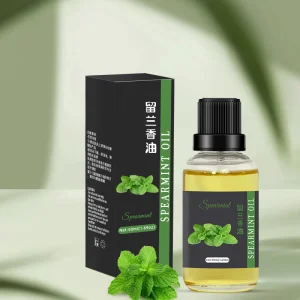
Best Therapeutic Grade 100% Natural Organic Spearmint Essential Oil For Perfumes Factories, Exporters
View Product Detail
Precision-refined carrier and bioactive essential oils certified for dermatological dilution, anti-inflammatory compounding, and pharmaceutical distribution.
Evaluating carrier matrix rheology, transdermal transport mechanisms, and CE regulatory dynamics across international botanical manufacturing pipelines.
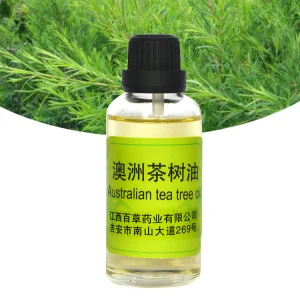
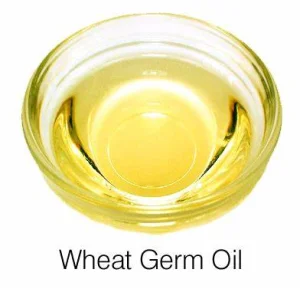
Tea tree oil (Melaleuca alternifolia) exhibits high volatility and susceptibility to rapid photo-oxidation. Monoterpenes such as alpha-terpinene and gamma-terpinene degrade swiftly into skin-sensitizing endoperoxides if unbuffered. Integrating pure carrier lipids, notably cold-pressed Wheat Germ Oil (abundant in native alpha-tocopherols) and Fractionated Triglycerides, creates an anti-oxidative shield preserving Terpinen-4-ol isomer stability.
Commercialization across the European Economic Area demands rigorous compliance with Regulation (EC) No 1223/2009 for cosmetics and Medical Device Regulations (MDR 2017/745) for medicated dermaceuticals. Carrier oils intended for tea tree oil transport require systematic pesticide screening, microbiological assays, validated non-comedogenic profiling, and documented dermal patch irritation evaluations.
Pure tea tree oil at 100% concentration precipitates desquamation, acute erythema, and barrier compromise. Industrial product designers implement targeted carrier systems (e.g., Sweet Almond, Jojoba, or Refined Sesame Matrix) calibrated by lipid chain length (C16–C22). This regulates trans-epidermal flux, maximizing antimicrobial dwell time against Cutibacterium acnes without deep-tissue cytotoxicity.
Empirical comparative metrics demonstrating rheology, oxidation stability index (OSI), and optimal incorporation limits for tea tree oil delivery formulations.
| Carrier Matrix | Predominant Lipid Fractions | OSI Induction Time (110°C) | Recommended Tea Tree Dilution | Primary Industrial Indication |
|---|---|---|---|---|
| Virgin Wheat Germ Oil | Linoleic Acid (C18:2), Natural Tocopherols (250mg/100g) | 18.4 Hours | 1.0% – 5.0% | Scar restoration, damaged lipid barrier, oxidative stabilization |
| Cold-Pressed Sweet Almond | Oleic Acid (C18:1 ~68%), Palmitic Acid (C16:0) | 12.6 Hours | 0.5% – 2.5% | Full-body massage, clinical aromatherapy, sensitive dermis |
| Golden Jojoba Wax Esters | Gondoic Acid (C20:1), Erucic Acid (C22:1) | 38.2 Hours | 2.0% – 10.0% | Sebum balancing, anti-acne cosmeceuticals, scalp sebum wash |
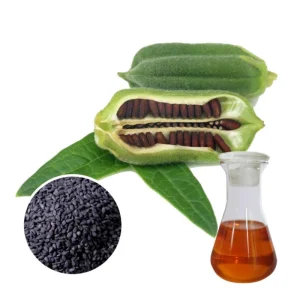
| Refined Sesame Seed Matrix | Sesamin, Sesamolin, Oleic/Linoleic (40/40) | 22.1 Hours | 1.5% – 5.0% | Ayurvedic medicinal balms, transdermal pain relieving ointments |
| Caprylic/Capric Triglycerides | Octanoic Acid (C8), Decanoic Acid (C10) | >50.0 Hours | 0.5% – 15.0% | Ultra-light serums, clinical roll-ons, extended shelf-life OTC |
Targeted deployment models designed for contract manufacturers, medical device packagers, and consumer brands.
For European and North American dermatological markets, high-purity carrier matrices combine with 2.5% to 5.0% Melaleuca alternifolia to formulate non-drying spot correctors and clarifying emulsions. Standardizing acidity to match stratum corneum pH (5.5) avoids triggering rebound hyperseborrhea.
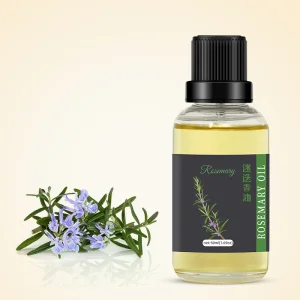
Addressing pityriasis capitis and seborrheic dermatitis requires balanced carrier vehicles like high-spreadability almond oil blended with rosemary and tea tree extracts. These bases emulsify oxidized sebaceous plugs while delivering targeted fungistatic action against Malassezia yeasts.
CE-certified medical barrier oils designed for onychomycosis and podiatric tinea infections exploit deep-penetrating lipid profiles. Combining refined wheat germ with Australian tea tree allows sustained subungual diffusion, bypassing keratinized barrier resistance efficiently.
Jiangxi Baicao Pharmaceutical eliminates formulation failure, adulteration, and analytical disparity through robust internal production controls.
Two isolated workshops comprising 12 continuous processing lines prevent cross-volatile contamination between essential terpenes and cold-pressed botanical carriers.
Every commercial batch undergoes multi-detector gas chromatography and HPLC testing to confirm authentic chiral signatures and zero heavy metal, phthalate, or solvent residue.
Industrial drums, intermediate bulk containers (IBCs), and custom primary amber glass bottles are vacuum sealed under high-purity nitrogen blankets to arrest oxidation.
Complete regulatory packages including Certificates of Analysis (COA), Safety Data Sheets (SDS), IFRA conformance certs, and full CE/FDA compliance documentation accompany every shipment.
Advancing botanical extraction technologies toward nano-emulsified liposomes, green supercritical solvents, and automated continuous synthesis.
Commercial deployment of high-pressure phospholipid carrier systems providing micellar encapsulation of tea tree components for time-delayed sustained epidermal release.
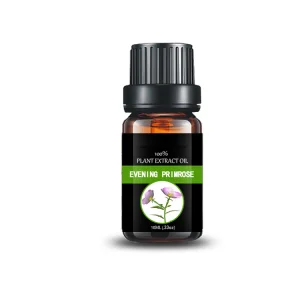
Zero-solvent, ambient temperature fractionation of sensitive seed lipids (wheat germ, evening primrose) preserving 100% of native minor phytochemical fractions.
In-line dynamic NIR sensors monitoring real-time viscosity and antioxidant saturation index throughout the industrial dilution process to secure batch consistency.
Introduction of precision fermentation-derived squalane and non-polar lipid analogues yielding ultra-pure, zero-carbon carrier solutions tailored for clean-beauty platforms.
Addressing core technical, regulatory, and quality control considerations for tea tree oil and carrier lipid integration.
Wheat germ oil possesses one of the highest concentrations of naturally occurring mixed tocopherols (Vitamin E) among all plant carriers. These lipophilic antioxidants intercept free-radical chain reactions, protecting the sensitive conjugated dienes and monoterpenes of tea tree oil against degradation, while counteracting potential skin sensitization.
Carrier oils marketed in the EU must comply with cosmetic safety assessments under EC 1223/2009, featuring full toxicological profiles, heavy metal limits (<10ppm), microbiological assay standards, and evidence of GMP operations aligned with ISO 22716. Products intended for medical barrier applications require CE medical device conformity.
For leave-on facial products, international cosmetic safety bodies (such as the SCCP) recommend capping pure tea tree concentrations at 1.0% to 2.0% within high-stability carrier oils. Rinse-off formulas and specific targeted fungal applications can support up to 5.0% without provoking acute contact dermatitis.
Our extraction facility leverages closed-loop inert nitrogen purge filling across drum, IBC, and packaging operations. Storage containers are constructed of fluorinated high-density polyethylene (HDPE) or internally epoxy-lined mild steel, preserving Peroxide Values (PV) well below 0.5 meq/kg during long-distance maritime transit.
Explore our complementary cosmetic actives, essential extracts, and plant lipid ingredients manufactured under strict GMP conditions.