Factory-Grade Essential Oils & Pure Blends Showcase (Batch I)
Chromatographically verified botanical derivatives directly manufactured for B2B formulation partners worldwide.
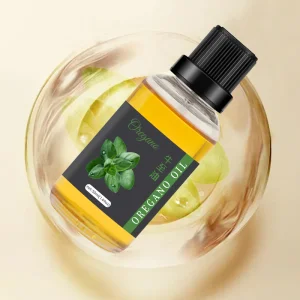
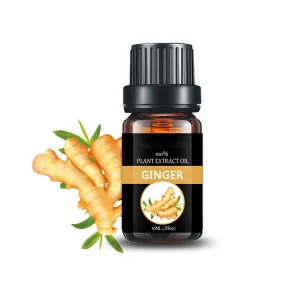
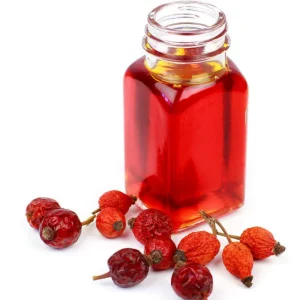
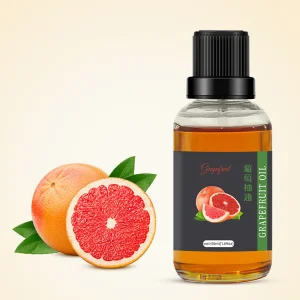
Global Landscape: Commercial Dynamics of Cinnamon Essential Oil Blends
Understanding compound interactions, regulatory thresholds, and macroeconomic supply mechanics across international processing hubs.
Global Market Valuation
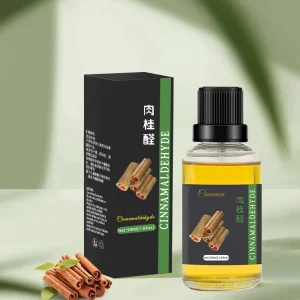
The global demand for essential oil blends formulated with cinnamon (specifically active fractions of Cinnamomum cassia and Cinnamomum verum) has expanded beyond basic aromatherapy into functional antimicrobials, bio-preservatives, and topical therapeutics. Valued at over USD 5.8 billion globally, the essential oil sector relies heavily on the thermo-dynamic and microbicidal properties of cinnamaldehyde.
Chemotype Variance & Blending
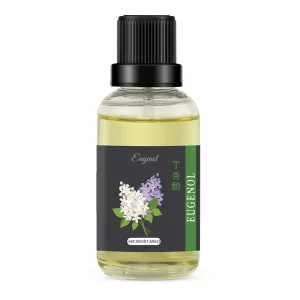
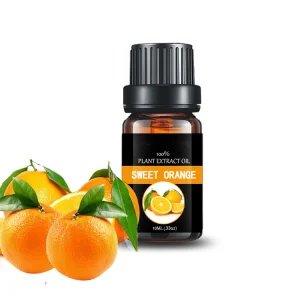
Industrial procurement demands absolute clarity between cinnamon bark oil (high cinnamaldehyde: 75%–85%) and cinnamon leaf oil (high eugenol: 70%–80%). Advanced formulators combine cinnamon fractions with complementary terpene profiles—such as sweet orange (d-limonene), clove (eugenol), and thyme (thymol)—to create synergistic antimicrobial matrices while balancing cutaneous irritation thresholds.
Stringent Regulatory Hurdles
Both the International Fragrance Association (IFRA) 51st Amendment and European Regulation (EC) No 1223/2009 impose precise maximum dermal limits on cinnamaldehyde due to sensitizing potential. Sourcing from a validated manufacturer capable of providing fractional distillation and standardized custom compounding ensures downstream cosmetic and personal care compliance without reformulation delays.
Chinese Factory Ecosystem: Supply Chain Resilience & Jiangxi Purity Protocols
High-capacity extraction engineering supported by local biomass supply, high-precision rectification, and analytical transparency.
Geographic Raw Sourcing
Located in the botanical hub of Jiangxi Province, our manufacturing operation draws direct feedstock from sustainable agroforestry networks across Southern China, securing continuous raw harvests of Cinnamomum cassia bark and leaves without international transit bottlenecks.
Fractional Vacuum Rectification
Unlike basic field distillers, our 6 essential oil rectification lines employ multi-stage vacuum fractionating columns. This allows us to adjust active cinnamaldehyde, isolate trans-cinnamaldehyde, or eliminate undesirable heavy ends with surgical chemical precision.
Automated In-Line Blending
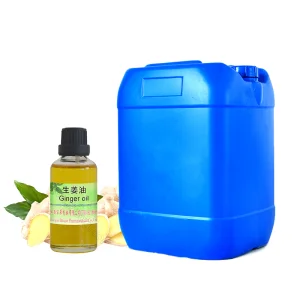
Equipped with closed-loop automated batch mixers, we formulate complex cinnamon-based synergistic formulas—incorporating sweet almond oil, eugenol, ginger oil, and citrus terpenes—with computer-monitored mass-flow meters preventing thermal degradation.
Dual Workshop Biosafety
Our 28,600 m² site isolates aromatic oil processing from fine botanical extract powders via positive-pressure HEPA filtration. This strict physical barrier eliminates particulate cross-contamination and maintains immaculate cleanroom operations.
Technical Roadmap: Analytical Testing & Formulation Engineering
Batch-level reproducibility guaranteed by GC, HPLC, and GC-MS spectral libraries calibrated to European and US Pharmacopoeia standards.
| Analytical Parameter | Cinnamon Bark Dominant Blend | Cinnamon Leaf Dominant Blend | Detection Methodology |
|---|---|---|---|
| Primary Marker Molecule | Trans-Cinnamaldehyde (65.0% – 85.0%) | Eugenol (70.0% – 85.0%) | GC-FID / GC-MS |
| Secondary Synergist | Eugenol / Cinnamyl Acetate (3% – 10%) | Beta-Caryophyllene / Cinnamaldehyde | Capillary Column GC |
| Refractive Index (20°C) | 1.570 – 1.610 | 1.530 – 1.550 | Digital Automatic Refractometer |
| Specific Gravity (20/20°C) | 1.010 – 1.050 | 1.035 – 1.065 | Oscillating U-Tube Pycnometer |
| Coumarin Residual | < 0.5% (Custom Low-Coumarin Available) | < 0.1% or Non-Detectable | HPLC-UV Quantitative |
| Heavy Metals (Pb, As, Cd, Hg) | < 5 ppm total combined | < 5 ppm total combined | ICP-MS Spectrometry |
Chiral Chromatography Verification
To eliminate synthetic cinnamaldehyde contamination (CAS 104-55-2 adulteration via industrial benzaldehyde condensation), our laboratory runs chiral stationary-phase GC analysis to confirm the genuine natural botanical origin and isotopic ratio of every batch.
Microencapsulation Compatibility
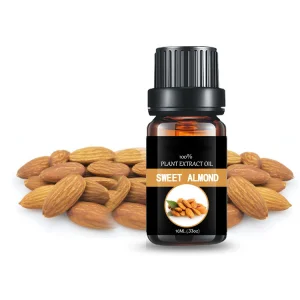
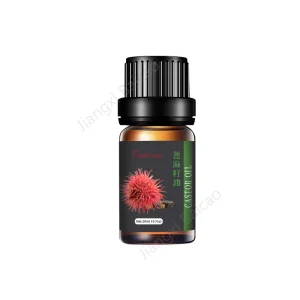
For industrial functional foods and feed premixes, cinnamaldehyde volatilization presents stability issues. We engineer proprietary lipophilic carrier oil bases (using sweet almond, castor, and rosehip lipids) optimized for spray-drying and cyclodextrin microencapsulation.
Predictive Antioxidant Blending
Leveraging high-assay rosmarinic acid (30%–90%) from rosemary extracts produced in our second GMP workshop, we formulate stabilized cinnamon oil matrices with amplified radical-scavenging capacities, preventing lipid auto-oxidation across extended retail shelf lives.
Target Industrial Implementations & Downstream Integration
Engineered formulations structured for therapeutic spas, food preservation systems, and agricultural biosecurity.
Therapeutic Massage & Dermal Warming
Compounded with non-comedogenic carrier oils (such as cold-pressed sweet almond and jojoba), diluted cinnamon bark complexes stimulate cutaneous microcirculation via transient receptor potential vanilloid-1 (TRPV1) activation. Our blends are adjusted to strictly preserve warming efficacy while maintaining dermal erythema ratings below irritant baselines.
Active Antimicrobial Food Packaging
Cinnamaldehyde vapors demonstrate broad-spectrum biocidal action against Escherichia coli, Listeria monocytogenes, and Aspergillus niger. We compound food-additive grade cinnamon oils intended for bio-polymer extrusion, creating active packaging films that extend food storage stability organically.
Phytogenic Feed Additives (Antibiotic Substitutes)
With global bans on prophylactic in-feed antibiotic growth promoters, our enterprise manufactures customized cinnamon-thyme-garlic essential oil concentrates. These phytogenic formulations enhance animal intestinal morphology, stimulate digestive enzyme secretion, and mitigate enteric pathogens in livestock production.
Global Regulatory Alignment & Localized Support Framework
Streamlined chemical clearance for North American, European, and Asia-Pacific customs regimes.
Full Dossier Packaging
Every industrial shipment is accompanied by lot-traceable technical documentation: GC-MS chromatogram prints, HPLC assays, SDS (16-section compliant with GHS Rev. 9), Certificates of Origin, and Technical Data Sheets (TDS).
Allergen Deceleration Protocols
For brands targeting strict clean-label compliance under the EU Detergents Regulation and Cosmetics Regulations, we provide complete quantitative statements profiling 26 regulated fragrance allergens, ensuring complete formulation transparency.
Hazmat Export Freight Packaging
Because pure cinnamaldehyde and cinnamon oils possess specific flashpoint characteristics and classification codes (UN 3082 / Class 9 or non-hazardous depending on dilution ratios), our dispatch division utilizes UN-approved fluorinated HDPE drums and epoxy-lined steel barrels.
Rapid Factory Pilot Prototyping
Formulation teams can request 50ml to 1000ml pilot-line test samples accompanied by custom assay tailoring. Our export team coordinates door-to-door international express cold-chain delivery within 72 business hours of qualification.
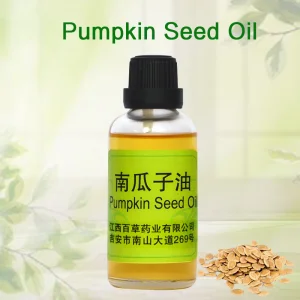
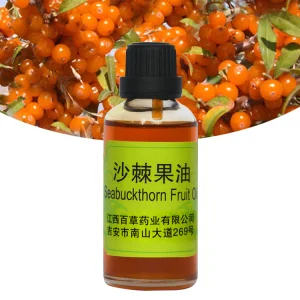
Factory-Grade Essential Oils & Pure Blends Showcase (Batch II)
Premium therapeutic distillates, cosmetic carrier lipids, and aromatic extracts for contract manufacturers.
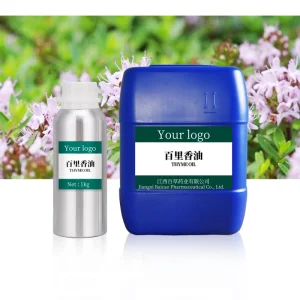
Technical & Sourcing FAQ: Procurement Guidelines
Critical considerations for purchasing managers, regulatory toxicologists, and supply-chain executives.
What differentiates Cassia Cinnamon Oil from Ceylon Cinnamon Bark Oil in commercial blends?
Cassia oil (derived from Cinnamomum cassia) contains high concentrations of trans-cinnamaldehyde (typically 75%–88%) with virtually negligible eugenol content. Ceylon cinnamon (Cinnamomum verum) yields bark oil containing 60%–75% cinnamaldehyde accompanied by 4%–10% eugenol, providing a sweeter, more delicate aroma profile. Our factory supplies both varieties and creates custom standardized blends tailored to either intense antimicrobial efficiency (Cassia base) or fine perfumery nuance (Ceylon base).
How does your factory prevent skin irritation hazards in finished cinnamon blend formulas?
Pure cinnamaldehyde is a potent dermal sensitizer. In our GMP blending workshops, we formulate ready-to-use topical massage complexes by precisely conjugating cinnamon distillates into cold-pressed carrier oils (such as Sweet Almond Oil and Rosehip Seed Oil) at safe topical concentrations (≤ 0.05% to 0.1% cinnamaldehyde depending on application), adhering rigorously to IFRA 51st Amendment dermal safety category thresholds.
Can Jiangxi Baicao formulate proprietary "Thieves-Type" or functional antimicrobial blends?
Yes. Our enterprise routinely manufactures custom OEM private-label synergistic blends combining Cinnamon Bark Oil, Clove Bud (Eugenol 99%), Eucalyptus Globulus (1,8-cineole ≥ 80%), Lemon/Orange Oil (d-Limonene), and Rosemary Extract. Formulations can be adjusted on-demand according to therapeutic target, flashpoint parameters, or custom cost-per-kilogram objectives.
What analytical verification methods are employed to identify adulteration?
Because synthetic cinnamaldehyde synthesized from petrochemically derived benzaldehyde is common in low-tier markets, our in-house QC laboratory utilizes gas chromatography coupled with mass spectrometry (GC-MS) and chiral column separation. We verify natural carbon isotope ratios, monitor natural marker compounds (such as o-methoxycinnamaldehyde), and quantify coumarin residuals to ensure 100% natural, botanically authentic extracts.
What are your minimum order quantities (MOQ) and container lead times for overseas export?
Standard factory MOQs start at 25 kg for fluorinated HDPE canisters and 180 kg to 200 kg for export-grade steel drums. Custom private-label retail bottle production (10ml, 30ml, 50ml with custom gift sets) features an MOQ of 3,000 units. Bulk dispatch turnaround from our Jiangxi facility to primary shipping hubs (Shanghai, Ningbo, Shenzhen) takes 3 to 5 business days upon lot QC sign-off.