Factory Direct Featured Oils (Series I)
Verified plant extracts, botanical isolates, and bulk essential oils manufactured in our 28,600 m² Jiangxi facility under strict GC, HPLC, and GC-MS quality verification protocols.
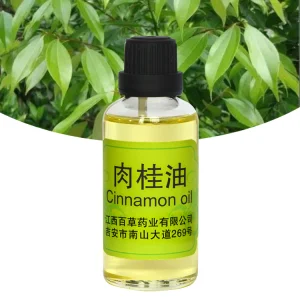
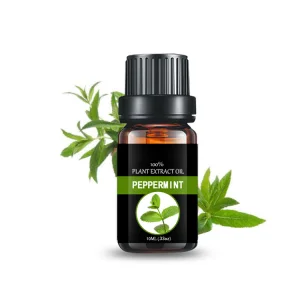
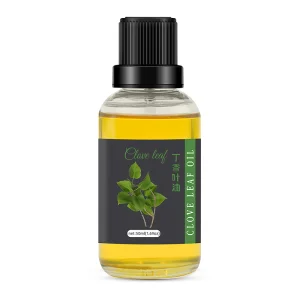
Global Industrial Procurement Dynamics for Clove & Cinnamon Oils
Navigating chemical potency thresholds, volatile constituent degradation, and supply continuity across the international pharmaceutical, food preservation, and flavor formulation sectors.
Active Chemical Standardization
Enterprise procurement requires precise botanical fingerprinting. Commercial grade clove oil (derived from Syzygium aromaticum) must be standardized between 80% and 92% Eugenol content to maintain effective antiseptic, antimicrobial, and analgesic characteristics in dental and active preservative blends.
Concurrently, cinnamon bark and leaf oils (Cinnamomum verum / Cinnamomum cassia) demand calibrated trans-cinnamaldehyde (minimum 75% to 85%) while tightly monitoring trace coumarin thresholds to satisfy stringent European Food Safety Authority (EFSA) and FDA standards.
Adulteration Mitigation Protocols
The global essential oil market faces recurring challenges with synthetic eugenol addition and adulteration using petroleum-derived cinnamic aldehyde. Procurement officers must secure verifiable authenticity documentation from manufacturing partners.
Jiangxi Baicao Pharmaceutical combats adulteration through rigorous Gas Chromatography-Combustion-Isotope Ratio Mass Spectrometry (GC-C-IRMS) and chiral GC-MS analysis, verifying natural botanical biogenesis and eliminating synthetic adulteration risks before batch release.
Multi-Tier Supply Redundancy
Climatic volatility across Southeast Asia and the Indian Ocean often disrupts farm harvests in Madagascar, Indonesia, and Sri Lanka. Large-scale procurement directors cannot rely on spot-market traders with fragile single-origin channels.
Our 28,600 m² GMP facility integrates massive raw material reserve depots, long-term direct farming consortium agreements, and dedicated multi-drum stockpiles in Jiangxi, ensuring fixed forward contract pricing and uninhibited bulk supply even through seasonal crop failures.
GMP manufacturing site located in Jinggangshan Economic & Technological Dev. Zone
High-capacity automated processing lines (6 for essential oils, 6 for plant extracts)
Batch-to-batch chemical profile consistency verified across GC-MS & HPLC testing
Export countries supplied with full regulatory dossiers, COA, and MSDS clearance
Macro-Industry Formulations & Industrial Solutions
How global manufacturers deploy technical grades of clove bud/leaf oil, pure cinnamaldehyde, and cinnamon bark distillates within consumer goods, functional food systems, and pharmaceuticals.
1. Oral Therapeutics, Dental Cements & Pharmaceuticals
Eugenol derived from steam-distilled clove oil is a cornerstone API in dental care. When combined with zinc oxide powder, it forms zinc oxide-eugenol (ZOE) cement, utilized globally for temporary fillings, pulp capping, and endodontic sealing due to its natural local anesthetic and antibacterial efficacy against Streptococcus mutans.
In systemic pharmaceuticals, refined cinnamaldehyde serves as a powerful natural carminative and gastric stimulant, stimulating digestive enzymes and demonstrating promising insulin-sensitizing mechanisms in advanced nutraceutical formulations targeting metabolic support.
2. Antimicrobial Active Packaging & Clean-Label Food Preservation
As retail consumer preferences reject synthetic antioxidants (such as BHA and BHT) and toxic parabens, multinational food processors are incorporating volatile clove and cinnamon fractions directly into edible active barrier films and modified atmosphere packaging (MAP).
Micro-encapsulated cinnamaldehyde and beta-caryophyllene disrupt microbial cell membranes in pathogenic gram-positive and gram-negative foodborne strains (including Listeria monocytogenes, Escherichia coli, and Salmonella enterica), dramatically prolonging commercial shelf life without alerting sensory palates when dosed below olfactory thresholds.
3. Botanical Agrochemicals & Eco-Friendly Crop Protection
In response to tighter maximum residue limits (MRLs) globally, agricultural spray formulators deploy high-grade clove and cinnamon distillates as contact bio-fungicides and natural bio-insecticides. Eugenol rapidly denatures fungal mycelia and downy mildew spores in greenhouse viticulture and soft-skin horticulture.
Furthermore, their natural biocide properties allow zero-day pre-harvest applications, fulfilling strict organic certifications and completely sidestepping standard synthetic chemical degradation timelines.
4. Cosmetic Fragrance Chemistry & Anti-Inflammatory Skincare
Within fine perfumery, clove leaf, bud, and cinnamon bark oils yield deep spicy warm mid-to-base notes indispensable in oriental, woody, and amber accords. Beyond sensory aesthetics, skincare formulators employ fractionated clove extract for its rich antioxidant capacity—demonstrating superior Oxygen Radical Absorbance Capacity (ORAC) metrics.
Properly fractionated eugenol and acetyl eugenol inhibit pro-inflammatory cytokines (TNF-α, IL-6), providing potent soothing mechanisms within specialized hair treatments, scalp vitality tonics, and dermatological balms.
| Analytical Parameter | USP/FCC Grade Clove Bud Oil | Cinnamon Bark Distillate (Food/Pharma) | Refined Cinnamaldehyde (95%+) | Regulatory Verification Methodology |
|---|---|---|---|---|
| Key Active Marker | Eugenol: 85.0% – 93.0% | Trans-Cinnamaldehyde: 70.0% – 85.0% | Cinnamaldehyde: ≥ 98.0% | Internal GC-FID / GC-MS Fingerprinting |
| Specific Gravity (20°C) | 1.038 – 1.060 g/cm³ | 1.010 – 1.030 g/cm³ | 1.048 – 1.055 g/cm³ | ISO 279 / Pycnometer Verification |
| Refractive Index (20°C) | 1.528 – 1.537 | 1.570 – 1.590 | 1.618 – 1.625 | Abbe Refractometer (ISO 280) |
| Heavy Metals (Pb, As, Cd, Hg) | < 5.0 ppm Total Heavy Metals | < 5.0 ppm Total Heavy Metals | < 2.0 ppm Total Heavy Metals | ICP-MS (Inductively Coupled Plasma) |
| Coumarin Contaminant | Non-Detectable (< 10 ppm) | Strictly < 0.5% (Controlled) | Non-Detectable | High Performance Liquid Chromatography (HPLC) |
| Quality Grade Clearance | Ph.Eur / USP / FCC | FDA GRAS / Kosher / Halal | ISO 9001 / GMP Standard | Full Certificate of Analysis (COA) per Drum |
Technical Roadmap, Extraction Kinetics & Future Horizons
A deep engineering overview of modern botanical distillation, molecular fractionation, and advanced chromatography isolation pathways developed at Jiangxi Baicao Pharmaceutical.
Fractional Vacuum Rectification
Traditional ambient steam distillation often burns sensitive cinnamaldehyde structures, leading to off-odor degradation compounds and polycyclic aromatic hydrocarbons. Our engineering team utilizes multi-stage fractional vacuum rectification towers operating below 60°C.
By lowering boiling points through high vacuum (0.1–0.5 mbar), we selectively excise undesirable low-boiling terpenes and eliminate foul-smelling burnt notes, achieving clear, water-white to pale straw distillates with clinical olfactory fidelity.
Supercritical Fluid CO₂ Extraction (SFE)
For specialized active nutraceuticals and premium high-end cosmetics requiring zero solvent residues, Baicao runs state-of-the-art Supercritical Carbon Dioxide Extraction systems. Operating at pressures exceeding 73.8 bar and temperatures around 31°C, CO₂ behaves as a tunable non-polar solvent.
This retains delicate, heat-labile volatile fractions—including fragile caryophyllene oxides and eugenyl acetate—without subjecting botanical raw materials to thermal hydrolysis or toxic petroleum hydrocarbons (hexane-free processing).
Advanced Chiral Profiling & GC-MS
To provide ironclad authentication for our international clientele, our in-house Quality Inspection Center is equipped with cutting-edge Agilent GC-MS/FID systems, High-Performance Liquid Chromatographs (HPLC), and automatic polarimeters.
Every single drum exported is accompanied by detailed analytical batch certificates verifying the precise ratio of active markers, trace components, specific gravity, refractive index, and optical rotation, completely eliminating batch-to-batch variation.
Information Gain: Synthesis vs. True Botanical Extraction Economics
While chemically synthesized cinnamaldehyde from benzaldehyde and acetaldehyde is inexpensive, global pharmaceutical, cosmetics, and food-grade export markets increasingly enforce Carbon-14 (¹⁴C) radiocarbon testing (ASTM D6866) and chiral analysis. Petroleum-derived synthetics fail natural labeling claims and trigger regulatory rejection in the European Union and North America. Jiangxi Baicao guarantees 100% steam-distilled, botanically derived oil, protecting corporate brand equity against deceptive sourcing vulnerabilities.
Global Commercial Trade & Industrial Landscape
Analyzing key production epicenters, export tariffs, inventory buffer models, and downstream procurement strategies across key continental trade blocs.
Upstream Agricultural Origin Realities
Global raw clove production remains heavily consolidated in Indonesia (Sulawesi, Java) and Madagascar, while high-cinnamaldehyde bark origin is centered in China (Guangxi, Jiangxi) and Vietnam (Yen Bai). This geographic concentration renders procurement vulnerable to monsoons, cyclones, and local political fluctuations.
Jiangxi Baicao establishes forward purchase contracts at the plantation level, maintaining robust dry-feedstock strategic reserves to insulate industrial end-users from sudden global spot price surges.
Inventory Buffering & Just-In-Time (JIT)
Global FMCG manufacturers cannot risk production shutdowns caused by trans-oceanic freight delays. In response, modern B2B supply agreements favor hybrid inventory buffering systems: combining bulk forward contracting with scheduled sea-freight drops.
With an expansive climate-controlled finished-product warehouse in Ji'an City, Baicao can dispatch export-ready standardized galvanized steel drums (25kg, 50kg, 180kg, 200kg, and 1000kg IBCs) within 48 to 72 hours of purchase order validation.
Tariff Classifications & Customs Cleared Dossiers
Exporting essential oils involves nuanced Harmonized System (HS) classifications. Clove leaf/stem/bud oils typically clear under HS Code 3301.29, while pure cinnamaldehyde isolates operate under chemical HS Code 2912.19.
Misclassification or missing non-dangerous goods declaration certificates (DGD) triggers costly port seizures. Baicao supplies complete, accurate documentation—including official GHS-compliant Safety Data Sheets (MSDS), Certificate of Origin (Form E, CO, FTA), and dangerous/non-dangerous cargo certifications.
Regulatory Compliance, Traceability & Localized Support
Comprehensive international certifications ensuring effortless compliance with European, North American, Middle Eastern, and Asia-Pacific health authorities.
GMP Clean Workshops
Our extraction, rectification, and packaging operations comply with Good Manufacturing Practice standards, ensuring closed-loop hygienic processing free from cross-contamination.
FDA & ISO 9001 Alignment
Documented quality management systems ensure full batch traceability from raw field harvest lot numbers to final sealed container shipments worldwide.
EU REACH & IFRA Verification
Full support for EU REACH chemical substance registrations, allergens reporting, and International Fragrance Association (IFRA) maximum dosage guidelines.
Kosher & Halal Certified
Audited raw botanical sourcing and alcohol-free steam processing paths allowing seamless formulation in global food, beverage, and personal care markets.
Enterprise Procurement & Technical Q&A
Clear, direct answers for QA auditors, chemical procurement heads, and formulation scientists sourcing bulk essential oils and botanical active ingredients.
What is the critical chemical difference between Clove Bud Oil and Clove Leaf Oil?
How does Jiangxi Baicao verify that Cinnamon Oil is free from synthetic cinnamaldehyde?
What are the standard commercial packaging formats available for bulk industrial export?
How do you handle batch variations and volatile crop pricing for annual supply contracts?
Can Baicao accommodate customized fractional distillation or rectification requests?
What analytical documentation is supplied prior to shipment dispatch?
Factory Direct Featured Oils (Series II)
Explore our specialized botanical extracts, high-terpene functional oils, and cold-pressed pure carriers engineered for global commercial and industrial formulators.
Qualify Your Clove & Cinnamon Oil Supply Chain
Partner directly with a verified GMP botanical manufacturer in Jiangxi, China. Request full batch COA, GC-MS spectra data, sample testing kits, and tailored annual forward pricing contracts today.