B2B Global Procurement Whitepaper
Buy Cassia Essential Oil Pricelist & Company
Direct GMP Manufacturing, Comprehensive Cost Breakdown, Cinnamic Aldehyde Standardization (≥85%), and Global Supply Chain Traceability Solutions.
Industrial Catalogue
Verified Botanical Oils & Core Ingredients
Factory-direct bulk lots, fully compliant with international monographs (USP/FCC/EP) with analytical chromatography profiles on file.
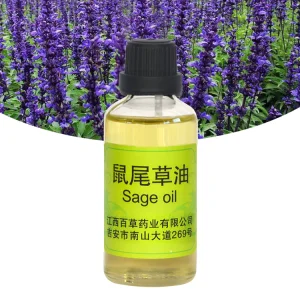
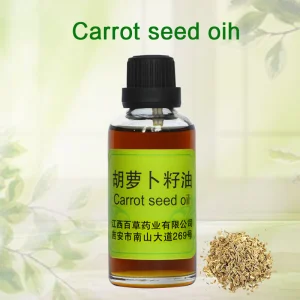
Industry Analysis
Global Cassia Essential Oil Market Architecture
Strategic demand trends, agricultural biomass yields, and commercial value-chain economics driving procurement in 2025–2030.
Expanding Natural Antimicrobial Demand
Cassia Essential Oil (Cinnamomum cassia Presl) continues to surge past conventional fragrance formulations, anchoring itself as an aggressive botanical antimicrobial. The industrial pivot away from synthetic preservatives in clean-label food, feed phytogenics, and poultry gut health has elevated cinnamic aldehyde to a primary bio-active agent.
CAGR Forecast (2024-2030)
+6.8% Global
Combatting Synthetic Adulteration
The proliferation of petroleum-derived synthetic trans-cinnamaldehyde (diluted with synthetic coumarin) presents severe compliance liability for corporate buyers. Quality assurance frameworks require multi-tier testing: GC-MS chiral validation and Carbon-14 (14C) isotope testing to confirm biological provenance.
Compliance Integrity
100% Bio-based C14
Upstream Agricultural Integration
Jiangxi Baicao leverages primary regional forestry integration across Southern China’s prime Cinnamomum cassia belt. Direct control over cyclic coppicing, steam energy recovery, and dual-workshop GMP fractional distillation neutralizes wild seasonal price volatility for enterprise contracts.
Factory Scale
28,600 m² Facility
Pricing Transparency
Enterprise Pricelist & Technical Specification Tiering
Comparative commercial metrics according to active constituent standardization, extraction methods, and certified volume structures.
| Commercial Grade | Active Assay Profile | Key Applications | Packaging Specs | Indicative Price (FOB / Metric Ton) |
|---|---|---|---|---|
| Food / Flavor Grade (FCC/USP) | Cinnamic Aldehyde ≥85.0% Eugenol <0.5% |
Beverage compounding, chewing gum, baking aromatics | 25kg Steel Pails / 180kg UN Drums | $28.50 - $34.00 / kg |
| Pharma / Botanical Active | Cinnamic Aldehyde ≥90.0% Heavy Metals <10ppm |
Topical analgesic liniments, antimicrobial formulations | 50kg Fluorinated Drums / 180kg SS316 | $36.00 - $42.50 / kg |
| Phytogenic Feed Grade | Total Aldehydes ≥80.0% High thermal stability |
Livestock gut health, antimicrobial growth promotant | 1,000L IBC Containers / 200kg Drums | $22.00 - $26.80 / kg |
| Cosmetic & Fragrance Grade | Cinnamic Aldehyde 75-80% Standardized Coumarin |
Fine fragrance bases, warm spicy accords, soaps | 180kg UN-certified Steel Drums | $24.50 - $29.00 / kg |
*Pricing reflects current baseline raw material distillation dynamics. Final quotations are validated via real-time batch chromatogram verification.
Industrial Integration
Enterprise Architectural Solutions & Formulation Systems
Addressing structural stabilization, volatile degradation, and organoleptic balance across corporate sectors.
Phytogenic Feed Matrix Engineering
Overcoming volatility and ruminal breakdown in animal nutrition. Jiangxi Baicao provides customized micro-encapsulated formulations where standardized Cassia Oil is cross-linked within protective lipid or maltodextrin carriers, ensuring targeted intestinal release without early off-gassing.
Dermal Irritation Mitigation (IFRA Standards)
Because trans-cinnamaldehyde is a recognized skin sensitizer, premium cosmetics require precise limits. Our technical support team assists formulation chemists in blending natural cassia with anti-irritant terpene fractions or cold-pressed carrier oils to meet IFRA Category 4 & 5 thresholds.
Clean-Label Food Preservative Systems
Replacing potassium sorbate and sodium benzoate in acidic food formulations. Our food-grade Cassia essential oil is optimized for synergism with rosemary extract and citric acid, delivering broad-spectrum microbial hurdles against yeasts, molds, and Gram-negative bacteria.
Regulatory Assurance
Analytical Testing & Global Regulatory Dossiers
End-to-end quality control protocols operating under ISO 9001, US FDA registrations, and strict cGMP governance.
GC-MS Fingerprinting
Full retention index verification confirming purity profiles, ensuring complete absence of industrial plasticizers (DEP, DINP) and petrochemical solvents.
Chiral & Isotope Audits
Routine Carbon-14 isotope testing confirms that 100% of carbon atoms originate from contemporary atmospheric assimilation rather than fossil feedstocks.
Global REACH & TSCA
Complete compliance dossiers including EU REACH registrations, US EPA inventory listings, Prop 65 safety statements, and Halal/Kosher certs.
Export Clearances
UN-approved hazmat export steel drums, IMO-certified seafreight handling for Class 9 / Marine Pollutants, and instant technical COA/MSDS dispatch.
Strategic Roadmap
Botanical Extraction Technology Roadmap (2025–2030)
Pioneering thermodynamic optimization, supercritical extraction, and digital supply chain integrity across our Jiangxi processing base.
Phase I: Current (2025)
Supercritical CO2 Fractionation
Commercialization of low-temperature supercritical CO2 extraction for Cassia bark, preserving temperature-sensitive aromatics and zero trace residuals.
Phase II: Next (2026)
AI-Driven Chromatographic QC
Implementation of machine learning pattern-matching directly coupled with GC-MS arrays to flag micro-adulteration patterns within minutes of distillation.
Phase III: Advanced (2027-2028)
Zero-Carbon Steam Pyrolysis
Integrating closed-loop biomass energy recovery where post-distillation cinnamon wood chips fuel boiler infrastructure, reducing carbon footprints by 65%.
Phase IV: Frontier (2029-2030)
Blockchain Origin Ledgers
Complete lot traceability linking international drums via smart QR tokens to the specific plantation harvest GPS coordinates in Southern China.
Procurement FAQ
Frequently Asked Questions for Enterprise Buyers
Critical validation criteria, lead times, MOQ dynamics, and quality documentation protocols.
What is the difference between Cassia Oil and Cinnamon Bark Oil?
While both originate from the Lauraceae family, Cassia Oil is steam-distilled from the leaves, twigs, and bark of Cinnamomum cassia (indigenous to China). It possesses a rich, pungent, sweet-spicy aroma characterized by higher trans-cinnamaldehyde (80-90%) and lower eugenol contents compared to Ceylon Cinnamon Bark Oil (Cinnamomum verum), making Cassia distinctly more cost-effective for industrial flavor and phytogenic use.
How does Jiangxi Baicao verify purity against synthetic cinnamaldehyde adulteration?
Adulteration is scientifically tracked through our in-house QC laboratory equipped with GC-MS and HPLC systems. We test key marker ratios (including trace ortho-methoxycinnamaldehyde and coumarin percentages) and can supply third-party 14C radioactive isotope assay certificates confirming 100% biological botanical origin.
What are your standard export packaging specifications and storage conditions?
Standard commercial shipments are packaged in UN-approved 25kg HDPE pails, 180kg fluorinated/epoxy-lined steel drums, or 1,000kg IBC containers purged with nitrogen to prevent oxidative degradation. Cassia oil should be stored away from light in tightly sealed containers below 25°C to avoid aldehyde oxidation into cinnamic acid.
What are the minimum order quantities (MOQ) and production lead times?
Our standard pilot MOQ is 25kg (one pail) for qualification, while commercial volume tier discounts initiate at 500kg. With 12 concurrent production lines in our 28,600 m² factory, container-load volumes (FCL) ship within 10–14 business days from contract signoff.
Do you provide custom formulations, dilutions, or private label services?
Yes. In addition to high-purity industrial drums, Baicao provides contract blending with food-grade carrier oils (such as MCT or sunflower oil), customized micro-encapsulated dry powders for feed premixes, and private label bottling services with retail-ready packaging.
Related Botanicals
Featured Botanical Derivatives & Essential Oils
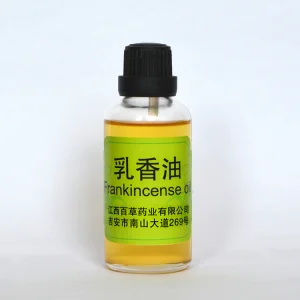
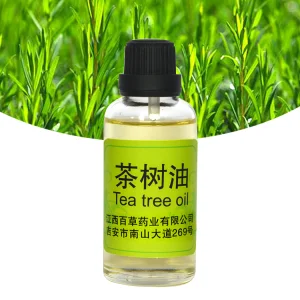
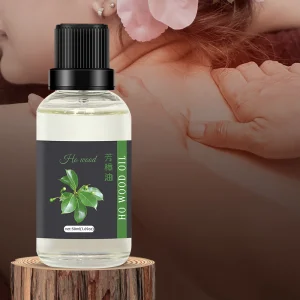
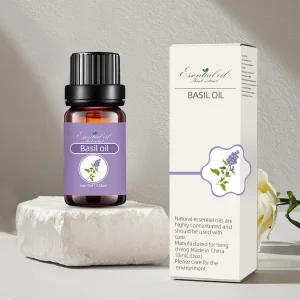
Complementary organic extracts, carrier oils, and steam-distilled essences ready for corporate consolidation shipments.