Pure Essential Oil
Request Quotation
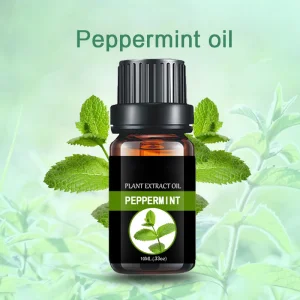
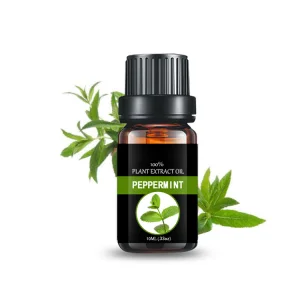
High-Quality Global exporter of plant extract peppermint essential oil Quotes, Exporter
Standardized steam-distilled and cold-pressed botanical essences analyzed via Gas Chromatography-Mass Spectrometry (GC-MS) for absolute chemotypic purity, zero adulteration, and regulatory alignment.
The international market for 100% pure botanical oils is undergoing tectonic restructuring. As enterprises navigate evolving regulatory scrutiny and consumer demand for clean chemistry, qualifying vetted manufacturing partners has become a competitive differentiator.
Valued at over USD 13.8 billion globally and projected to sustain a Compound Annual Growth Rate (CAGR) exceeding 8.7% through 2032, essential oils and phytogenic extracts are transitioning from artisanal status to vital biochemical inputs. Multinational pharmaceutical conglomerates, personal care formulators, animal nutrition enterprises, and clean-label flavor houses demand unprecedented supply stability, single-source botanical traceability, and strictly controlled chemical fingerprints.
However, industrial procurement officers face widespread vulnerabilities across traditional distribution networks: widespread adulteration via petrochemical synthetic esters (such as synthetic linalool or limonene additions), dilution using cheap mineral solvents, pesticide and heavy metal bioaccumulation, and fluctuating active compound yields caused by climate volatility. Overcoming these failure points requires establishing direct relationships with integrated manufacturers operating in-house agricultural cultivation ecosystems, modern distillation plants, and comprehensive analytical laboratories.
Middlemen and third-party traders amplify adulteration risks. Industrial formulators gain full security by sourcing straight from primary GMP facilities featuring batch-tracked lot numbers, verifiable origin certifications, and locked-in annual production contracts.
Variations in soil chemistry, harvest timing, and boiler temperature alter primary terpenes and esters. Our standardized rectification protocols ensure minimal batch-to-batch variation, avoiding costly reformulation disruptions at commercial manufacturing facilities.
Navigating global border hurdles demands bulletproof paperwork: FDA Facility Registrations, EU REACH compliance files, IFRA 51st Amendment certificates, allergen profiles, and bilingual SDS to eliminate detention at global customs ports.
From transdermal cosmetic bioavailability to food preservation and veterinary phytotherapy, plant volatiles deliver targeted physiological efficacy when manufactured under precise specifications.
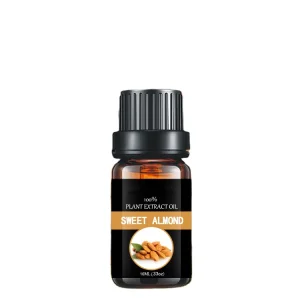
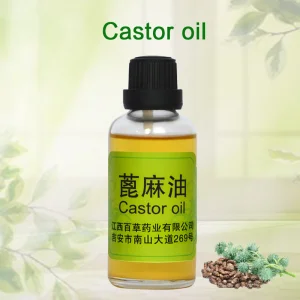
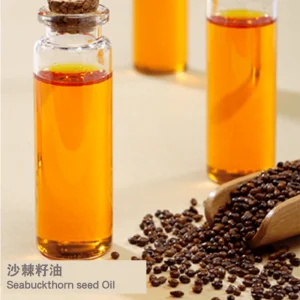
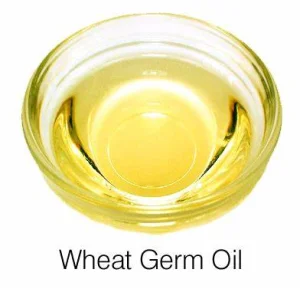
We supply unrefined, cold-pressed virgin carrier oils (e.g., Castor, Sweet Almond, Wheat Germ) alongside antimicrobial and soothing essential oils like Tea Tree and Rosemary extract. Standardized fatty acid matrices guarantee cellular permeability, moisture retention, and scalp nourishment without synthetic comedogenic residues.
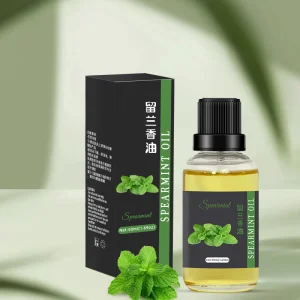
Our steam-distilled Peppermint (Mentha arvensis), Spearmint, and Garlic Oils are refined to meet Food Chemical Codex (FCC) specifications. Featuring high menthol, carvone, and allicin fractions, these oils serve as stable bio-aromas, natural culinary preservatives, and oral health active ingredients.
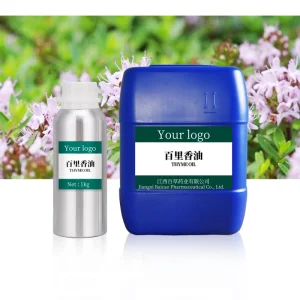
Utilizing targeted fractional distillation, we isolate active terpenes like 1,8-cineole (Eucalyptus Oil) and thymol (Thyme Oil). These compounds provide documented decongestant, antimicrobial, and anti-inflammatory properties for transdermal patches, respiratory inhalants, and topical antiseptics.
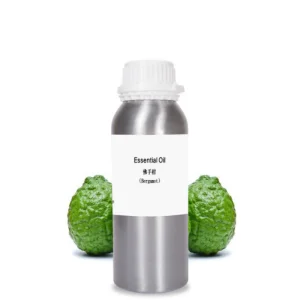
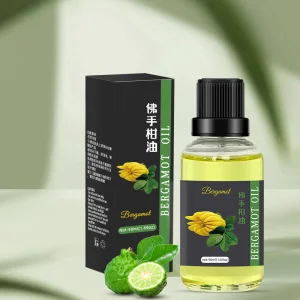
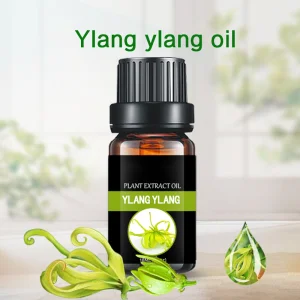
High-end spa networks and institutional aromatherapy brands rely on our unadulterated single-note essences (Ylang Ylang, Bergamot, Thyme). Each batch preserves delicate top, middle, and base aromatic notes for emotional balance, olfactory diffusion, and neurological relaxation therapies.
Our industrial-volume Garlic Oil and Terpineol / Pine Oil distillates serve as natural alternatives to antibiotic growth promoters (AGPs) in livestock feed, as well as eco-friendly botanical solvents and frothing agents in commercial processing.
We provide full-spectrum contract manufacturing for consumer brands: automated filling into amber droppers (5ml to 100ml), inert nitrogen flushing, tamper-evident induction sealing, custom multi-bottle gift packs, and multilingual compliance labeling.
Adulteration in commercial essential oils has evolved beyond simple vegetable oil dilution to include complex synthetic isomer spikes. Jiangxi Baicao neutralizes these risks via multi-tier analytical profiling.
| Analytical Parameter | Instrumentation Protocol | Technical Objective | Regulatory Threshold |
|---|---|---|---|
| Volatile Profile Identification | GC-MS (Gas Chromatography-Mass Spectrometry) | Identifies all chemical peaks, secondary terpenes, and detects foreign petrochemical adulterants. | Matches verified ISO/Pharmacopoeia standards |
| Enantiomeric Purity (Chiral Analysis) | Chiral GC Columns (Cyclodextrin Stationary Phases) | Distinguishes natural botanical enantiomers from cheap racemic synthetic isomers (e.g., natural vs. synthetic Linalool). | Meets chiral ratio purity requirements |
| Active Marker Quantification | HPLC (High-Performance Liquid Chromatography) | Quantifies non-volatile phenolic acids, rosmarinic acid, and curcuminoids in botanical powders. | Assay range: 10.0% to 99.0% active fraction |
| Physical Constants Validation | Digital Density Meters & Automatic Polarimeters | Determines Specific Gravity (20/20°C), Optical Rotation, and Refractive Index to monitor batch consistency. | Tight tolerance within ±0.005 standard units |
| Heavy Metal & Elemental Screen | ICP-MS (Inductively Coupled Plasma Mass Spectrometry) | Screens raw botanical extracts for trace Lead (Pb), Arsenic (As), Cadmium (Cd), and Mercury (Hg). | Total heavy metals < 10 ppm; Pb < 2 ppm |
| Pesticide & Solvent Residues | GC-MS/MS & Headspace Gas Chromatography | Scans against 400+ agricultural chemicals and residual extraction solvents (Hexane, Acetone, Methanol). | Conforms to USP <467> and EP limits |
Essential oils contain heat-sensitive monoterpenes and sesquiterpenes that can degrade under harsh processing. Jiangxi Baicao employs low-pressure, micro-filtered steam distillation within specialized 316-grade stainless steel distillation units. Precise vapor speed and condensed cooling controls preserve delicate aromatics and eliminate thermal pyrolysis artifacts.
For specialized compounds like rectified Eucalyptus (80% cineole) or high-grade Pine Terpineol, our factory runs multi-stage vacuum fractionation columns. By modifying boiling points under negative pressures, we cleanly isolate key aromatic cuts without utilizing toxic chemical solvents.
Established in 2010 in the Jinggangshan Economic and Technological Development Zone, Jiangxi Baicao Pharmaceutical Co., Ltd. operates as a true direct botanical manufacturer with 28,600 m² of GMP production facilities.
Our campus isolates volatile botanical oil distillation in Workshop 1 from standardized plant extract powders in Workshop 2. This strict physical separation prevents cross-contamination and ensures pure air filtration for both product streams.
Every commercial production run follows strict standard operating procedures (SOPs). We maintain an internal library of retained samples alongside lot-specific Certificates of Analysis (COA), safety data sheets (MSDS/SDS), and technical dossiers.
From UN-certified 25kg fluorinated HDPE carboys and 180kg epoxy-coated steel drums to sealed ISO-tanks, all packaging meets international air and maritime dangerous goods (IMDG/IATA) standards for prompt customs clearance.
"Founded on Quality, Advanced by Technology, Sustained by Credibility."— The Core Operational Principle of Jiangxi Baicao Pharmaceutical —
Jiangxi Baicao continues to modernize traditional extraction methods through advanced process automation, closed-loop green extraction, and predictive yield analytics.
We are implementing real-time Near-Infrared (NIR) fiber-optic probes into our condenser pipelines. This enables continuous monitoring of terpene condensation without interrupting steam pressure, ensuring precise collection of prime aromatic fractions.
To produce solvent-free floral and active botanical extracts, our technical roadmap incorporates Supercritical Carbon Dioxide (scCO₂) extraction. Operating at low temperatures with an inert gas, this process delivers full-spectrum essences free of residual petrochemicals.
We utilize condensed aromatic water to produce pristine flower hydrosols. Additionally, spent biomass is repurposed as organic field compost or clean boiler fuel, advancing our commitment to eco-conscious manufacturing.
Direct, transparent answers regarding manufacturing capabilities, quality validation protocols, order minimums, and regulatory documentation.
Explore our expanded collection of cold-pressed cosmetic carriers, botanical aroma isolates, and standardized extracts produced under certified GMP quality management.