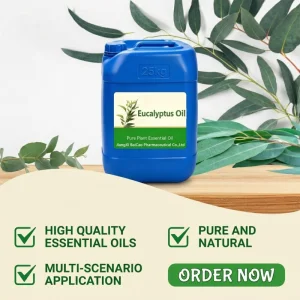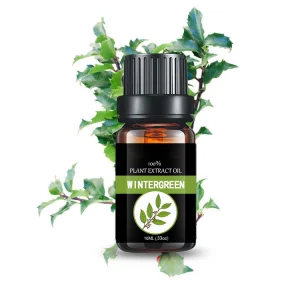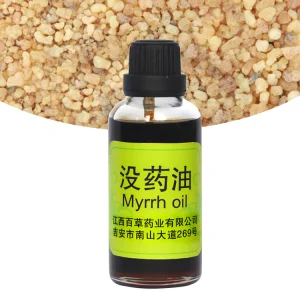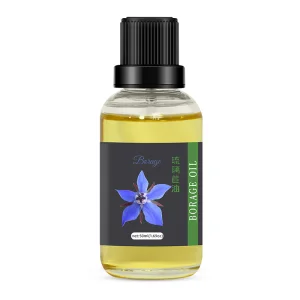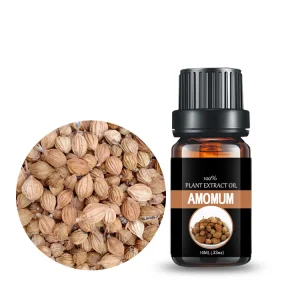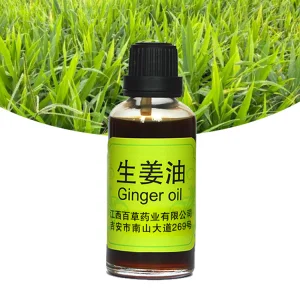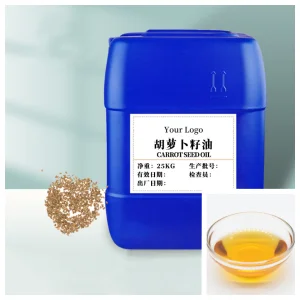
Certified Botanical Extracts & Monoterpene Fractions (Batch 01)
Engineered botanical extracts refined to global pharmacopeia purity thresholds. Analytical verification via High-Resolution GC/MS and HPLC testing protocols.

Industrial Scale, Sourcing Geography & Market Intelligence
A quantitative breakdown of the global Chamomile Essential Oil (German Matricaria chamomilla vs. Roman Anthemis nobilis) ecosystem for enterprise-level procurement.
Global Market Valuation & CAGR
The global chamomile extracts and essential oil market surpassed USD 340 million in 2024, projected to climb at a compound annual growth rate (CAGR) of 8.4% through 2032. Growth is fueled by clinical validation of sesquiterpene lactones in dermatological barrier repair and pharmaceutical neuro-calmative formulations. Industrial contract manufacturing demand has transitioned from conventional cosmetic grades to certified low-pesticide, HPLC-fingerprinted API active ingredients.
Cultivation Hotspots & Yield Realities
Commercial production is heavily centralized. German Chamomile is predominantly cultivated in Egypt, Eastern Europe (Hungary, Poland, Slovakia), and China's high-altitude microclimates (Jiangxi and Xinjiang provinces). Roman Chamomile is cultivated in Western Europe (UK, France, Belgium). Biomass yield optimization remains a delicate manufacturing variable: fresh flower heads produce merely 0.3% to 1.0% essential oil yield via pressurized steam distillation, requiring massive automated handling infrastructure.
Supply Chain Vulnerabilities
Severe thermal fluctuations, erratic rain patterns during anthesis, and post-harvest oxidation represent acute supply chain hazards. Unprocessed matricaria capitula lose up to 35% of their essential oil fraction if not dried at controlled thermodynamic parameters (<40°C) within 4 hours of mechanical harvesting. Enterprise buyers mitigate these risks by securing multi-year forward purchase agreements with fully integrated farming-distillation conglomerates.
Chromatographic Profiling: German vs. Roman Chamomile
Understanding molecular differentiators, stereochemistry, and target compound preservation during industrial steam distillation and supercritical fluid CO2 extraction.
| Analytical Parameter | German Chamomile (Matricaria chamomilla) | Roman Chamomile (Anthemis nobilis / Chamaemelum nobile) | Testing Methodology |
|---|---|---|---|
| Dominant Phytochemical Markers | Chamazulene (8–20%), (-)-α-Bisabolol (30–65%), Bisabolol Oxides A & B, Spiroethers | Angelic Acid Esters (Isoamyl angelate, Isobutyl angelate, 75–85%), Pinocarvone | Gas Chromatography-Flame Ionization Detection (GC-FID) |
| Visible Physical Matrix | Deep Inky Cobalt Blue to Blue-Green (formed via thermal matricin conversion) | Pale Translucent Straw-Yellow to Clear, low viscosity liquid | Visual / Spectrophotometric Absorbance (600–700 nm) |
| Primary Bio-Target Mechanism | Inhibition of 5-Lipoxygenase (5-LOX) & Cyclooxygenase-2 (COX-2); mast cell stabilization | GABA-A Receptor Modulation; smooth muscle antispasmodic neuromuscular response | In Vitro Enzyme Kinetics / Clinical Biomarker Validation |
| Industrial Distillation Window | Extended High-Temperature Steam (9–13 hours) to convert non-volatile Matricin | Short Mild Steam Distillation (4–6 hours) to prevent hydrolytic ester cleavage | Differential Thermal Vapor Kinetic Monitoring |
| Standard Density (20°C) | 0.910 – 0.955 g/cm³ | 0.895 – 0.920 g/cm³ | Digital Density Meter (USP <841>) |
The Chemical Reality of Chamazulene Transformation
A pervasive industrial misconception is that chamazulene exists natively in high concentrations inside living plant tissue. Native flowers contain negligible free chamazulene; instead, they synthesize matricin (a sesquiterpene lactone precursor). During steam distillation, thermodynamic decarboxylation and dehydration cleave the lactone ring, yielding the intensely blue chamazulene chromophore. Advanced manufacturers calibrate boiler steam pressures strictly between 1.2 and 1.8 bar: under-steaming leaves matricin unreacted, reducing pharmaceutical potency, while excessive thermal shear degrades both α-bisabolol and the volatile polyacetylenes (spiroethers).
Adulteration Detection Vector: Synthetic Azulene
Because of the high price elasticity of pure German Chamomile Oil, synthetic guaiazulene or low-cost petroleum-derived azulene is often blended by unscrupulous traders. High-precision GC-MS analysis using chiral stationary phase capillary columns resolves the stereochemical ratio of (-)-α-bisabolol versus synthetic (±)-bisabolol racemate, instantly revealing synthetic tampering.
Residual Solvent & Heavy Metal Assays
Strict compliance requires Inductively Coupled Plasma Mass Spectrometry (ICP-MS) clearance for arsenic, cadmium, lead, and mercury (limits < 0.1 ppm). Pesticide screening must cross-validate over 450 volatile agrochemicals under European Pharmacopoeia (EP 2.8.13) and United States Pharmacopeia (USP <561>) monographs.
Thermodynamic Vacuum Fractionation
For premium dermatological applications requiring clear solutions without intense blue tinting, our facility performs thin-film molecular distillation. This process isolates purified (-)-α-bisabolol at >95% active titer, stripped of the chamazulene chromophores while maintaining complete biochemical efficacy.
Target Industry Solutions: Cross-Sector Formula Engineering
From micro-encapsulated functional beverage matrices to intravenous veterinary therapeutics, discover how enterprise clients integrate chamomile concentrates.
Cosmeceuticals & Dermacare
Formulated at 0.05% to 0.4% active dilution in topical emulsions. Proven to inhibit pro-inflammatory cytokines (IL-1β, TNF-α) and mitigate UV-induced erythema. Ideal for eczema, rosacea, post-laser recovery serums, and hypoallergenic baby ointments.
Pharmaceutical Formulations
Active pharmaceutical ingredient (API) usage in oral ulcer sprays, gastrointestinal mucosal repair solutions, and non-opioid sedatives. Standardized chamazulene profiles serve as a natural baseline for gastroprotective and anti-inflammatory clinical drops.
Nutraceutical Beverages
Incorporated via nano-emulsified cyclodextrin carriers into functional RTD relaxation drinks, sleep-aid tonics, and dietary supplements. Zero-precipitation stability allows clean-label certification without chemical emulsifiers.
Veterinary Therapeutics
Extensively utilized in clean equine dermal therapeutics, anti-pruritic canine sprays, and feed-additive anti-inflammatory calmative blends to reduce separation anxiety and promote coat integrity naturally.
Macro-Industry Solutions for Procurement Directors
Eliminating systemic friction across international borders: price stability programs, batch traceability, and regulatory dossiers.
Hedging Agrochemical Price Volatility
Chamomile is prone to wild market swings based on Nile delta irrigation yields or central European frost. Baicao operates guaranteed fixed-pricing index contracts backed by strategic 20-ton safety stock reserves. This buffers enterprise cosmetics conglomerates against sudden single-season 40–80% price spikes.
Complete Regulatory Dossiers
Eliminate customs holds and audits. Every single batch is supplied with an exhaustive compliance package: EU REACH compliant documentation, US FDA facility registration, Cosmetic Product Safety Reports (CPSR), IFRA 51st Amendment certificates, allergen profiles, and non-GMO/HALAL/KOSHER verifications.
Turnkey Formulation & OEM Packaging
Beyond 180kg UN-certified steel drums, Baicao provides high-speed automated packaging lines for 5ml–50ml amber glass vials, nitrogen-blanketed fluorinated HDPE bottles, and retail-ready gift sets produced under ISO 22716 clean-room conditions for global consumer brands.
Technological Roadmap & Extraction Evolution
How next-generation separation technologies are redefining bioactivity yields and environmental sustainability in chamomile processing.
Spectral Gas Sensor Automation
Integration of near-infrared (NIR) and mass-spectrometry sensors into condensate loops, measuring real-time ester and matricin conversion during steam cycles to terminate distillation at peak bio-purity, reducing energy consumption by 24%.
Cryogenic Supercritical CO2
Implementing subcritical and supercritical multi-stage fractionation units operating between 75 and 300 bar. This yields full-spectrum extracts containing unhydrolyzed matricin and high molecular weight flavonoids without thermal breakdown.
Enzyme-Assisted Hydrodiffusion
Pioneering cellulase and pectinase pre-treatments on harvested flower matrices to degrade secretory glandular trichome walls, reducing required distillation extraction duration from 11 hours to 3.5 hours.
Zero-Carbon Closed Loop Cycle
Re-purposing distilled botanical marc (spent flowers) into localized biomass gasification reactors to produce continuous green steam, achieving certified net-zero carbon essential oil manufacturing operations.
Frequently Asked Questions by Industrial Quality & Supply Teams
Critical technical answers addressing testing limits, batch-to-batch variation, stability, and minimum purchase quantities.
What is the exact chemical distinction between German and Roman Chamomile Essential Oil?
How does Baicao guarantee the authentic origin and purity of its Chamomile Essential Oil?
Why does the color of German Chamomile oil change from deep blue to greenish-brown over time?
What are your Minimum Order Quantities (MOQ) and packaging configurations for bulk supply?
Can you supply certified organic (USDA NOP / EU Organic) Chamomile Essential Oil?
How do you comply with the European Union REACH and IFRA 51st Amendment standards?
Certified Botanical Extracts & Monoterpene Fractions (Batch 02)
High-purity therapeutic carrier oils, standardized powders, and cold-pressed botanical matrices for formulation development.