Verified Active Supply
Primary Botanical Active Fractions & Carrier Bases
Essential formulation building blocks processed under ISO and GMP quality infrastructure for veterinary formulations, insect repellents, and canine wellness lines.
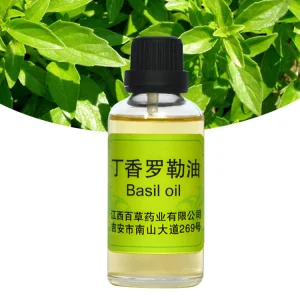
Custom GMP Basil & Clove Basil Botanical Extract
View Technical Specs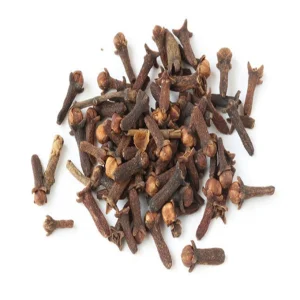
Natural Eugenol Fraction From Clove Bud Oil
View Technical Specs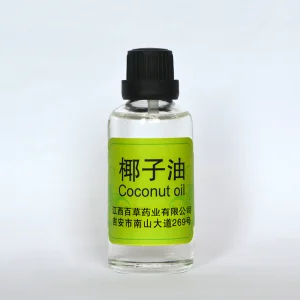
Refined Carrier Coconut Oil for Canine Coat Health
View Technical Specs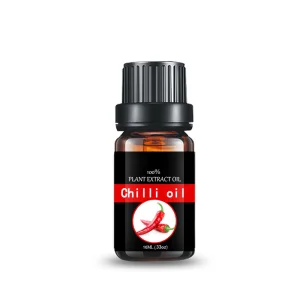
High-Purity Botanical Oleoresin & Active Extracts
View Technical Specs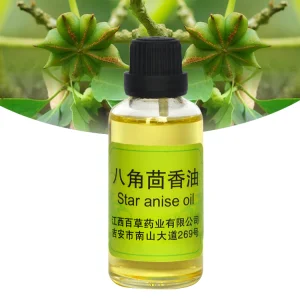
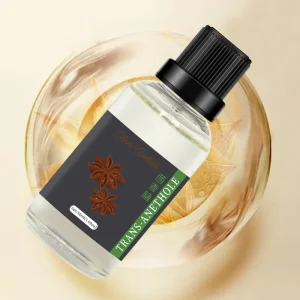
Wholesale Star Anise Oil Active Plant Extract
View Technical Specs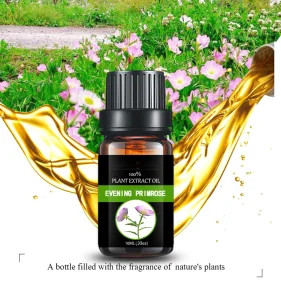
Bulk Cold-Pressed Evening Primrose Seed Carrier Oil
View Technical Specs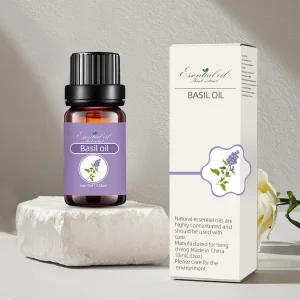
High Purity Certified Basil Essential Oil Bulk
View Technical Specs28,600m²
GMP Extraction Footprint
12 Lines
Automated Distillation Units
EPA 25(b)
Regulatory Compliance Grade
GC-MS/HPLC
Traceable Molecular Profiles
Market Intelligence
Global Commercial Landscape: Cedar Oil for Canine Wellness
A comprehensive examination of how cedarwood essential oil has evolved from traditional timber byproduct to the world's most sought-after natural bio-insecticide for domestic pets.
Current Global Industrial Status & Ectoparasitic Revolution
The companion animal ectoparasiticide market is undergoing a seismic paradigm shift. With conventional neurotoxic compounds (such as fipronil, permethrin, and isoxazoline-class systemic oral chemotherapeutics) facing increased regulatory scrutiny and widespread physiological resistance among Ctenocephalides felis (cat flea) and Rhipicephalus sanguineus (brown dog tick), natural alternatives have shifted from fringe pet-store novelties to mainstream industrial necessity.
Chief among these botanicals is natural Cedarwood Oil (specifically derived from Juniperus virginiana and Cupressus funebris). Recognized under the United States EPA FIFRA Section 25(b) as a Minimum Risk Pesticide, cedar oil requires no federal pesticide registration inside the United States, providing veterinary OTC brands and contract packaging enterprises with an accelerated pathway to market. Consequently, the commercial supply chain demands unprecedented purities, standardized active sesquiterpene contents, and guaranteed absence of synthetic phenolics.
| Botanical Derivative | Primary Bioactive Markers | Primary MoA in Canine Ectoparasites | Veterinary Safety Profile |
|---|---|---|---|
| Juniperus virginiana (Eastern Red Cedar) | Cedrol (20-35%), α/β-Cedrene (25-35%), Thujopsene | Octopaminergic receptor interference, spiracle desiccation | Highest canine dermal tolerance; non-phototoxic |
| Cupressus funebris (Chinese Weeping Cedar) | α-Pinene, Cedrol (10-20%), Cedrene complex | Neuromuscular hyperactivity followed by paralysis | Requires precision molecular rectification to eliminate heavy terpenes |
| Cedrus atlantica (Atlas Cedarwood) | Himachalenes (α, β, γ), Atlantone | Cuticular wax lipid dissolution, contact deterrence | Moderate safety profile; optimal for canine repellent collar matrices |
R&D Roadmap
Technical Roadmap: Extraction Science & Safety Engineering
How cutting-edge industrial manufacturers are rectifying natural cedar fractions to safeguard canine dermal tolerance and elevate residual bio-efficacy.
Fractional Vacuum Rectification
Traditional wood distillation yields crude oils loaded with heavy balsamic residues and trace monoterpenes that induce canine dermal irritation. Modern manufacturing employs multi-stage vacuum fractionation columns to isolate specific therapeutic sesquiterpenes.
- Elimination of aggressive terpenes (Limonene, Thujone)
- Concentration of bio-active Cedrol up to standardized 30%+
- Reduction of skin sensitization risk to < 0.01%
Nano-Emulsification Technology
Because cedar oil is hydrophobic, water-based veterinary spot-ons and sprays traditionally relied on aggressive solvent surfactants. We engineer thermodynamic microemulsions using bio-compatible plant polyglucosides.
- Sub-100nm droplet diameter distribution
- Optically transparent formulation in aqueous phases
- Enhanced cuticular penetration on canine arthropod pests
Controlled-Release Encapsulation
The highest technical barrier for natural flea & tick solutions is residual longevity. Volatile cedar terpenes dissipate within 48 hours without stabilization. Next-generation factories integrate lipid-core encapsulation matrices.
- Extended active field durability (Up to 30 days continuous)
- UV-photodegradation mitigation via natural tocopherols
- Odor normalization to eliminate olfactory sensory fatigue in dogs
Ecosystem Solutions
Localized Application Scenarios & B2B Solutions
From veterinary clinical environments to commercial boarding kennels and OEM retail spot-on manufacturing, discover how refined cedar oil powers end-use formulations.
Veterinary Spot-On Formulations
Packaged in precision pipettes for direct transdermal and hair-follicle migration across the canine dorsum. Formulated with refined MCT oil or evening primrose carriers for sebum lipid diffusion.
- Dose: 3% to 5% active rectified cedrol
- Repels ticks, fleas, and stable flies
- Safe for pregnant or lactating bitches under protocol
Kennel & Turf Bio-Security Sprays
Large-scale operational facilities require macro pest barriers without poisoning surrounding vegetation or presenting toxic oral risks to roaming working canines.
- Dilution ratios from 1:100 to 1:400 water emulsified
- Instantly collapses respiratory membranes of flea larvae
- Suppresses soil-dwelling hookworm larvae
Polymer Pest-Repellent Collars
Continuous-release matrix extrusion combining medical-grade thermoplastic polyurethane (TPU) infused with specialized cedarwood fraction solutions.
- Continuous 90 to 120-day sustained vapor release
- Waterproof & UV resistant structural integrity
- Custom colorants & private label masterbatch branding
Procurement Due Diligence
Frequently Asked Questions: Industrial & Technical Sourcing
Direct answers for QA directors, regulatory officers, and procurement managers sourcing bulk botanical extracts from certified Chinese manufacturing sites.
Is all cedar oil inherently safe for application on dogs?
No. Critical distinction must be made regarding botanical taxonomy. Cedar oils derived from Western Red Cedar (Thuja plicata) contain toxic bicyclic monoterpene thujone, which is a potent neurotoxin capable of triggering canine hepatic failure and seizures. Reputable veterinary manufacturers specifically process oils derived from Juniperus virginiana, Juniperus ashei, or carefully rectified Cupressus funebris. Furthermore, raw industrial unrectified wood oil must never be applied directly; it must undergo industrial rectification to remove aggressive rosin terpenes and ensure GC-MS compliance.
How does cedar oil trigger mortality in fleas, ticks, and mites?
Cedar oil operates through a multi-target physiological mode of action (MoA). Primarily, its active sesquiterpenes (cedrol and cedrene) block octopamine neuro-receptors, which regulate heart rate, movement, and behavior in invertebrates without existing in mammals. Secondly, on direct contact, the oil dissolves the waxy cuticular protective layer of the arthropod exoskeleton, causing rapid moisture loss, asphyxiation through spiracular blockage, and death within 15 to 45 minutes of mechanical contact.
What regulatory paperwork is mandatory for exporting Cedar Oil blends to the US and EU?
For US bound shipments under EPA FIFRA Section 25(b), suppliers must provide a Certificate of Analysis (COA) specifying pure cedarwood botanical CAS numbers (CAS 8000-27-9 or CAS 85085-41-2), a standard 16-point GHS Material Safety Data Sheet (MSDS/SDS), certificate of origin, and an analytical declaration that all inert co-formulants belong to EPA 4A or 4B minimal risk categories. For EU imports under BPR (Biocidal Products Regulation), rigorous active substance dossier verification and REACH registration certificates are required.
Can Jiangxi Baicao produce customized active blends for pet care brands?
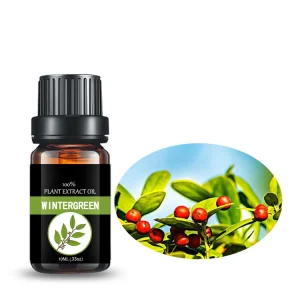
Yes. With 12 automated lines and a dedicated 28,600 m² GMP facility, Baicao manufactures customized botanical ectoparasiticide concentrates combining rectified cedarwood oil with synergistic plant fractions like clove bud eugenol, wintergreen methyl salicylate, peppermint oil, and cosmetic carrier systems (fractionated coconut oil, sweet almond oil). We provide private label filling, customized drum drumming (180kg/drum), and IBC container bulk shipping.
Formulation Synergies
Complementary Botanical Ingredients for Pet Line Formulators
Broad-spectrum essential oils, aromatic botanical isolates, and therapeutic herbal distillates ready for scalable contract orders.
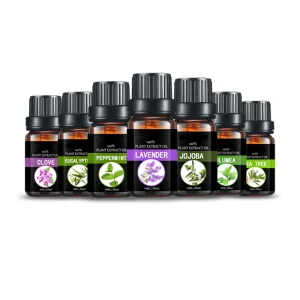
Eucalyptus Base Oil for Cosmetic & Hygiene Blends
View Technical Specs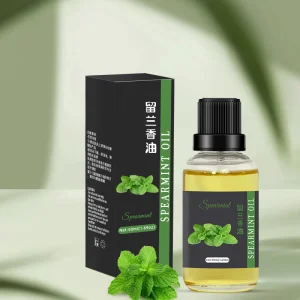
Therapeutic Grade 100% Natural Spearmint Oil
View Technical Specs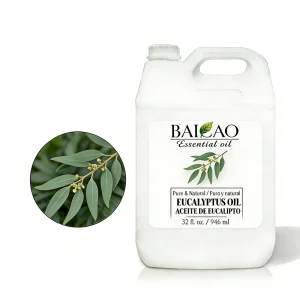
Natural Steam Distilled Eucalyptus Globulus Oil
View Technical Specs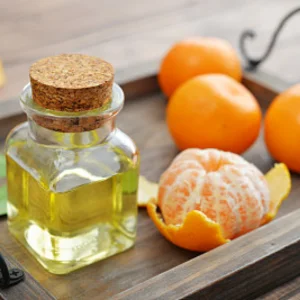
Factory Supply Bulk Tangerine & Mandarin Berry Oil
View Technical Specs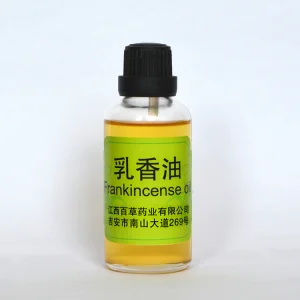
Natural Olibanum Essential Oil Botanical Extract
View Technical Specs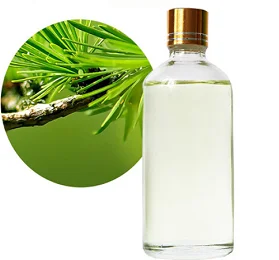
100% Natural Pine & Fir Needle Extract Essential Oil
View Technical Specs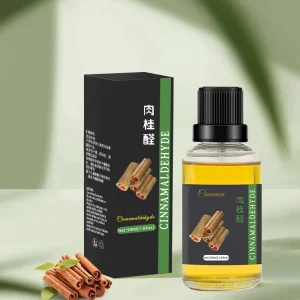
Pure Cinnamaldehyde (CAS 104-55-2) Active Fraction
View Technical Specs